Gray cast iron is defined as a ferrous alloy in which carbon is present primarily in the form of flake graphite, typically containing 2.5% to 4.0% carbon and 1.0% to 3.0% silicon. As described in the ASM Handbook, “the presence of graphite flakes gives gray cast iron its characteristic properties, including excellent damping capacity, good machinability, and relatively low tensile strength compared to steel.”
This unique structure makes gray cast iron fundamentally different from other cast iron materials. The graphite flakes act as internal discontinuities, which reduce strength but significantly enhance vibration absorption and thermal conductivity.
Because of this balance of performance and cost, gray cast iron remains one of the most widely used casting materials in industries such as automotive, machinery, and construction. Understanding the composition and properties of gray cast iron is therefore essential for selecting the right material in demanding engineering applications.
Composition and Properties of Gray Cast Iron
Gray cast iron is fundamentally defined by its chemical composition and distinctive microstructure, both of which directly determine the performance characteristics that make gray cast iron one of the most widely used engineering materials in modern industry. Understanding the composition and properties of gray cast iron is essential for engineers, manufacturers, and procurement professionals who seek to balance performance, cost, and manufacturability.
Chemical Composition of Gray Cast Iron
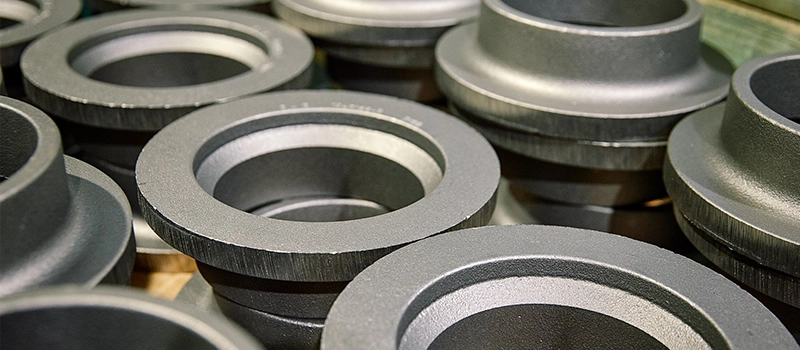
The typical gray cast iron composition consists primarily of iron (Fe), carbon (C), and silicon (Si), along with smaller amounts of manganese (Mn), phosphorus (P), and sulfur (S). Among these elements, carbon plays the most critical role. In gray cast iron, the carbon content usually ranges from 2.5% to 4.0%, while silicon content typically falls between 1.0% and 3.0%. According to widely accepted metallurgical standards, silicon promotes the formation of free graphite rather than cementite, which is the key factor that differentiates gray cast iron vs white cast iron.
In addition, manganese is generally maintained at levels below 1.0% to stabilize pearlite formation, while phosphorus may be intentionally increased in certain applications to improve fluidity during casting. However, excessive phosphorus can lead to brittleness. Sulfur content is usually kept as low as possible to avoid the formation of iron sulfides, which negatively affect mechanical performance.
This carefully controlled gray cast iron chemical composition allows manufacturers to tailor the material for specific applications. For example, higher carbon and silicon levels enhance machinability and damping capacity, while adjustments in manganese content can improve wear resistance. Therefore, the percentage of carbon in gray cast iron is not arbitrary but strategically selected based on performance requirements.
Microstructure of Gray Cast Iron
The defining feature of gray cast iron microstructure is the presence of flake graphite distributed within a metallic matrix of ferrite, pearlite, or a combination of both. This flake structure is responsible for the characteristic gray appearance on fracture surfaces, which gives gray cast iron its name.
From a materials science perspective, the microstructure of gray cast iron plays a decisive role in its mechanical behavior. The graphite flakes act as internal stress concentrators, interrupting the continuity of the matrix. As a result, gray cast iron tensile strength is relatively low compared to steel or ductile iron. However, these same graphite flakes provide exceptional vibration damping capacity, making gray iron castings highly suitable for applications involving dynamic loads and noise reduction.
Furthermore, the matrix structure—whether predominantly ferritic or pearlitic—affects hardness and strength. A ferritic matrix provides better ductility and machinability, while a pearlitic matrix increases hardness and wear resistance. This flexibility allows manufacturers to engineer different types of gray cast iron with tailored performance characteristics.
Mechanical Properties of Gray Cast Iron
The mechanical properties of gray cast iron are unique and highly application-specific. Typical gray cast iron properties include moderate compressive strength, low tensile strength, excellent machinability, and outstanding vibration damping capacity. For instance, the tensile strength of gray cast iron generally ranges from 150 MPa to 400 MPa, depending on the grade, such as ASTM No. 40 gray cast iron, which offers higher strength compared to lower grades like Class 20.
One of the most notable characteristics is that gray cast iron is brittle under tensile loading due to the presence of graphite flakes. However, its compressive strength is significantly higher, often exceeding three to four times its tensile strength. This makes gray cast iron particularly suitable for structural components subjected primarily to compressive forces.
In terms of hardness, the hardness of gray cast iron typically ranges between 150 HB and 300 HB, depending on composition and heat treatment. The elastic modulus of gray cast iron is generally lower than that of steel, usually around 70–140 GPa, which contributes to its superior vibration damping behavior.
Physical Properties of Gray Cast Iron
The physical properties of gray cast iron further enhance its industrial value. The density of gray cast iron is approximately 6.8–7.3 g/cm³ (6800–7300 kg/m³), making it slightly lighter than steel. This density range provides a balance between structural strength and weight efficiency.
Another important parameter is the melting point of gray cast iron, which typically ranges from 1150°C to 1200°C, depending on composition. This relatively lower melting temperature improves casting fluidity and reduces energy consumption during production.
Thermal conductivity is another key advantage. Due to the presence of graphite, gray cast iron exhibits better heat dissipation compared to many other ferrous materials. This is why gray cast iron applications are commonly found in engine blocks, brake components, and machinery bases where thermal stability is critical.
Types of Gray Cast Iron
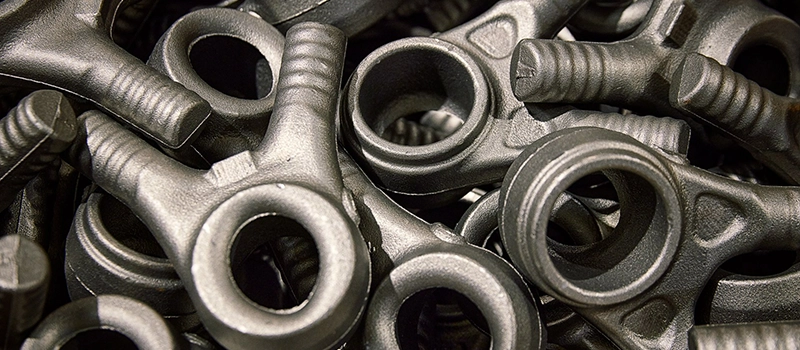
Gray cast iron can be classified in several systematic ways depending on standards, microstructure, alloying elements, and manufacturing forms. Each classification method provides a different perspective for selecting suitable gray iron castings in engineering applications. A clear understanding of these categories helps manufacturers and buyers match performance requirements with the most cost-effective material solution.
ASTM Grades of Gray Cast Iron
The most widely used classification system is based on ASTM A48, which categorizes materials according to tensile strength. This system is especially important in international trade and technical specification because it provides a standardized reference for performance.
| Grade | Tensile Strength (MPa) | Typical Matrix | Key Characteristics | Common Applications |
|---|---|---|---|---|
| Class 20 | ~140–200 | Ferritic | Excellent machinability, low strength | Light-duty housings, covers |
| Class 30 | ~200–300 | Ferrite + Pearlite | Balanced strength and machinability | General machinery parts |
| Class 40 | ~275–350 | Pearlitic | High strength, good wear resistance | Engine blocks, heavy bases |
| Class 50+ | >350 | Fully pearlitic | High hardness, reduced machinability | High-load components |
This classification clearly shows how increasing strength is associated with a transition from ferritic to pearlitic structures. Higher grades are preferred in demanding applications, while lower grades are chosen for ease of machining and cost efficiency.
Classification by Microstructure
Another essential way to classify gray cast iron is by its internal matrix structure. The microstructure determines mechanical performance, wear resistance, and machinability.
| Type | Matrix Structure | Properties | Advantages | Limitations |
|---|---|---|---|---|
| Ferritic | Mostly ferrite | Soft, ductile, easy to machine | Excellent machinability, thermal conductivity | Low strength and wear resistance |
| Pearlitic | Mostly pearlite | Hard, strong, wear-resistant | High strength, good durability | Reduced machinability |
| Ferrite–Pearlite (Mixed Structure) | Mixed | Balanced properties | Good compromise of strength and machinability | Moderate performance in both aspects |
By controlling cooling rates and chemical composition, manufacturers can tailor the matrix to achieve specific performance targets. This flexibility is one of the reasons why gray iron casting remains highly versatile.
Alloyed and Special Gray Cast Iron
To meet more demanding industrial requirements, alloying elements are added to enhance specific properties. These specialized types extend the application range beyond standard grades.
| Type | Alloying Elements | Key Properties | Typical Applications |
|---|---|---|---|
| High-strength gray iron | Mn, Cu, Mo | Improved tensile strength and hardness | Heavy machinery, structural parts |
| Austenitic gray iron | Ni, Cr | Excellent corrosion and heat resistance | Chemical equipment, high-temperature parts |
| Wear-resistant gray iron | Cr, Mo | Enhanced abrasion resistance | Brake discs, liners |
| Heat-resistant gray iron | Si, Ni | Thermal stability | Engine components |
These alloyed variants are particularly valuable when standard materials cannot meet performance requirements but switching to more expensive materials is not justified.
Classification by Manufacturing Form
Gray cast iron is also categorized based on how it is produced and supplied. Different manufacturing forms are selected depending on part geometry, precision requirements, and production scale.
| Form | Production Method | Features | Typical Use |
|---|---|---|---|
| Sand castings | Sand casting | High flexibility, low cost | Complex shapes, large components |
| Continuous cast iron | Continuous casting | Uniform structure, good consistency | Bars, tubes, plates |
| CNC machined parts | Machining from cast stock | High precision, tight tolerances | Precision equipment |
| Custom castings | Tailored processes | Application-specific design | Industrial equipment |
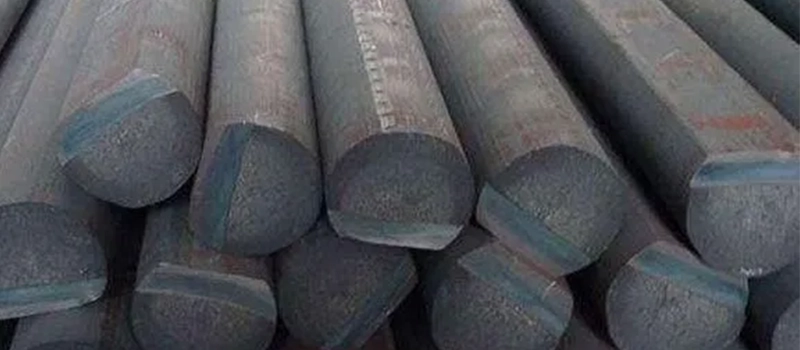
Among these, gray iron sand casting remains the most widely used method due to its cost efficiency and adaptability. Meanwhile, continuous casting is preferred for producing standard shapes such as round bars with consistent quality.
Manufacturing Processes Involving Gray Cast Iron
The manufacturing processes involving gray cast iron play a decisive role in determining the final quality, performance, and cost of the finished components. While the material itself offers inherent advantages such as excellent castability and machinability, the actual properties achieved in production depend heavily on process control, mold design, and post-processing techniques. For manufacturers and buyers alike, understanding these processes is essential to ensure consistency, minimize defects, and optimize production efficiency.
Sand Casting Process
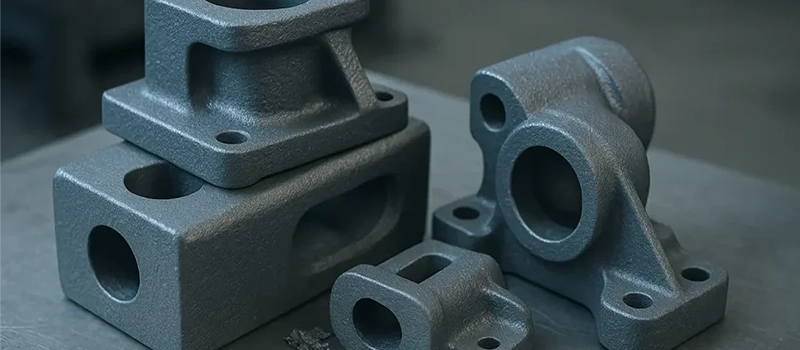
Sand casting remains the most widely used method for producing gray iron casting components, especially for complex geometries and large parts. This process involves creating a mold from sand mixed with binders, into which molten metal is poured and allowed to solidify.
One of the key advantages of sand casting is its flexibility. It allows manufacturers to produce intricate shapes with internal cavities, which would be difficult or costly to achieve through other methods. In addition, tooling costs are relatively low compared to permanent mold processes, making it suitable for both small batch production and large-scale manufacturing.
However, the quality of the final product depends heavily on process control. Factors such as pouring temperature, cooling rate, and mold design directly influence the microstructure and mechanical properties. Improper control can lead to common defects such as shrinkage porosity, sand inclusion, and surface roughness. Therefore, experienced manufacturers pay close attention to gating systems, riser design, and solidification simulation to ensure defect-free castings.
Continuous Casting Process
Continuous casting is another important method used for producing gray cast iron, particularly in the form of bars, tubes, and plates. Unlike sand casting, this process involves the continuous solidification of molten metal as it is drawn through a mold, resulting in a uniform cross-sectional shape.
The main advantage of this method lies in its consistency. Because the process is highly controlled, the resulting material exhibits a more uniform microstructure and fewer internal defects. This makes continuous cast iron particularly suitable for applications requiring stable mechanical properties and reliable machining performance.
In addition, continuous casting improves material utilization and reduces waste, which contributes to cost efficiency in large-volume production. The resulting products are often used as semi-finished materials for further machining, especially in industries where dimensional accuracy and structural integrity are critical.
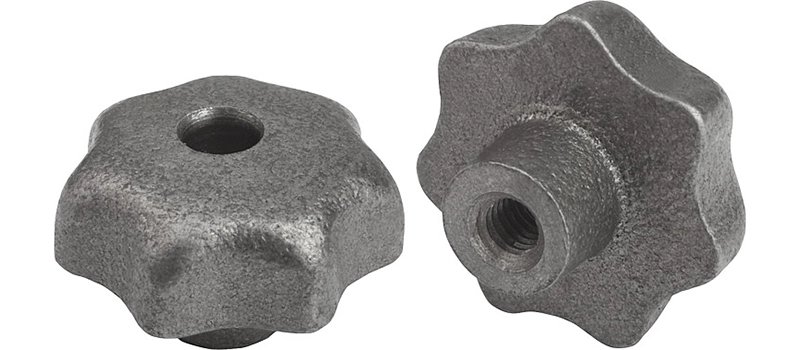
Machining and CNC Processing
Although gray cast iron is known for its excellent machinability, achieving high-precision components still requires careful machining processes. CNC machining is commonly used to produce parts with tight tolerances, smooth surface finishes, and complex geometries.
The presence of graphite flakes in the material structure acts as a natural lubricant during cutting, reducing tool wear and improving machining efficiency. This makes gray cast iron CNC machined parts highly cost-effective compared to many other ferrous materials.
However, machining parameters must still be optimized. Cutting speed, tool material, and feed rate all influence the final surface quality and dimensional accuracy. Improper machining can lead to surface defects or reduced performance in critical applications. Therefore, manufacturers often implement strict quality control measures, including dimensional inspection and surface roughness testing.
Heat Treatment of Gray Cast Iron
Heat treatment is used to modify the microstructure and improve specific properties of gray cast iron. Although it is not as commonly heat-treated as steel, certain applications require enhanced hardness, wear resistance, or stress relief.
Common heat treatment processes include annealing, normalizing, and stress relieving. Annealing is used to soften the material and improve machinability, while normalizing can refine the microstructure and increase strength. Stress relieving is particularly important for large castings, as it reduces internal stresses generated during solidification and cooling.
Proper heat treatment can significantly improve performance, but it must be carefully controlled. Excessive heating or improper cooling can alter the graphite structure and negatively affect material properties. As a result, this process is typically applied only when specific performance improvements are required.
Finishing and Surface Treatment
After casting and machining, finishing processes are often applied to improve surface quality and functional performance. These processes may include grinding, shot blasting, coating, and painting.
Shot blasting is commonly used to remove surface impurities and improve appearance, while grinding ensures dimensional accuracy and smooth surfaces. In some cases, protective coatings are applied to enhance corrosion resistance or extend service life.
Finishing processes not only improve aesthetics but also play a functional role. For example, smoother surfaces can reduce friction and wear, while coatings can protect components in harsh environments. Therefore, finishing is an essential step in delivering high-quality gray iron castings that meet industrial standards.
Common Uses of Gray Cast Iron
Gray cast iron is widely used across multiple industries due to its unique combination of mechanical and physical properties. Its excellent vibration damping capacity, good thermal conductivity, and cost-effectiveness make it a preferred material for a wide range of engineering applications. Rather than being selected for high tensile strength, it is typically chosen where stability, wear resistance, and machinability are more critical. Understanding the common uses of gray cast iron helps engineers and buyers make informed material selection decisions based on real-world performance requirements.
Automotive Industry Applications
One of the most important application areas of gray cast iron is the automotive industry. It is extensively used in the production of engine blocks, cylinder heads, brake discs, and flywheels. These components require materials that can withstand repeated thermal cycles, mechanical stress, and friction.
The high thermal conductivity of gray cast iron allows efficient heat dissipation, which is essential for engine components exposed to high temperatures. At the same time, its vibration damping characteristics help reduce noise and improve overall driving comfort. This is particularly important in engine blocks, where controlling vibration directly affects performance and durability.
In brake systems, gray cast iron is favored for its wear resistance and ability to maintain stable friction performance under varying conditions. The graphite structure contributes to consistent braking behavior, even under high loads and temperatures. These properties make it a reliable and cost-effective material for critical automotive components.
Machinery and Equipment Components
Gray cast iron is widely used in machinery manufacturing, particularly for components such as machine tool bases, frames, housings, and gearboxes. These applications require materials that can provide structural stability while minimizing vibration during operation.
The inherent damping capacity of gray cast iron makes it especially suitable for machine tool structures. It helps absorb vibrations generated during machining processes, thereby improving precision and surface finish. This is a key reason why many high-precision machine tools rely on gray iron castings for their main structural components.
Additionally, its excellent machinability allows manufacturers to achieve complex geometries and tight tolerances with relatively low production costs. This makes it an ideal choice for both large-scale industrial equipment and custom machinery parts.
Construction and Infrastructure
In the construction sector, gray cast iron is commonly used for pipes, manhole covers, and structural components. Its compressive strength and durability make it suitable for applications that require long-term reliability under static loads.
For example, gray cast iron pipes have been widely used in water supply and drainage systems due to their corrosion resistance and longevity. Although newer materials are sometimes used in modern systems, gray cast iron remains a reliable option in many infrastructure projects.
Manhole covers made from gray cast iron are valued for their strength, wear resistance, and ability to withstand heavy traffic loads. Their cost-effectiveness and ease of production also contribute to their widespread use in urban infrastructure.
Industrial Equipment and Heavy Applications
In heavy industry, gray cast iron is used for components such as pump housings, compressor parts, and industrial bases. These applications often involve continuous operation, mechanical stress, and exposure to harsh environments.
The material’s ability to damp vibrations and resist wear makes it particularly suitable for equipment that operates under dynamic conditions. In addition, its thermal stability allows it to maintain performance in environments with fluctuating temperatures.
Gray cast iron is also frequently used in applications where dimensional stability is critical. Its low tendency to deform under load ensures that components maintain their shape and alignment over time, which is essential for reliable equipment operation.
Precision and Custom Applications
With the advancement of machining technologies, gray cast iron is increasingly used in precision components and custom-engineered parts. CNC machining allows manufacturers to produce highly accurate components from cast blanks, meeting the demands of modern engineering systems.
These applications often require a balance between machinability, stability, and cost. Gray cast iron provides this balance, making it suitable for specialized equipment, tooling components, and customized industrial parts.
In addition, its adaptability to different casting methods enables manufacturers to produce tailored solutions for specific customer requirements. This flexibility further expands its application range across various industries.
Advantages of Using Gray Cast Iron
Gray cast iron continues to be widely used in modern industry not because it excels in a single property, but because it offers a highly efficient balance of performance, manufacturability, and cost. Compared with many alternative materials, it delivers reliable results in a broad range of applications while keeping production and lifecycle costs under control. Understanding the advantages of using gray cast iron is essential for making practical engineering and procurement decisions.
Excellent Machinability
One of the most significant advantages of gray cast iron is its outstanding machinability. The presence of graphite flakes within the material acts as a natural lubricant during cutting processes. This reduces friction between the cutting tool and the workpiece, leading to lower tool wear and improved machining efficiency.
As a result, manufacturers can achieve precise dimensions and smooth surface finishes with relatively low energy consumption and tooling costs. This advantage becomes particularly important in high-volume production environments, where even small improvements in machining efficiency can translate into substantial cost savings.
In addition, the material produces short, easily manageable chips during machining, which further simplifies processing and enhances operational safety. This combination of factors makes gray iron casting an ideal choice for components requiring extensive machining.
Superior Vibration Damping Capacity
Another key advantage is its exceptional ability to absorb and damp vibrations. The internal graphite structure disrupts the propagation of mechanical waves, effectively reducing vibration amplitude.
This property is especially valuable in machine tool bases, engine components, and industrial equipment where vibration control directly affects performance and accuracy. By minimizing vibration, gray cast iron helps improve machining precision, reduce noise, and extend the service life of equipment.
Compared to steel and other cast irons, this damping capability is significantly higher, making it a preferred material in applications where stability and noise reduction are critical considerations.
Good Thermal Conductivity
Gray cast iron exhibits good thermal conductivity due to the presence of graphite, which facilitates heat transfer. This allows components to dissipate heat efficiently during operation.
This characteristic is particularly important in applications such as engine blocks, brake discs, and other components exposed to high temperatures. Efficient heat dissipation helps prevent thermal distortion, reduces the risk of overheating, and improves overall system reliability.
In many cases, this thermal performance enables designers to simplify cooling systems, which can further reduce manufacturing complexity and cost.
High Compressive Strength and Wear Resistance
Although its tensile strength is relatively low, gray cast iron performs exceptionally well under compressive loads. Its compressive strength is significantly higher than its tensile strength, making it suitable for components subjected primarily to static or compressive forces.
In addition, the material offers good wear resistance, especially in pearlitic structures. This makes it suitable for applications involving friction and repeated contact, such as brake components and sliding surfaces.
The combination of compressive strength and wear resistance allows gray cast iron to perform reliably in demanding mechanical environments without requiring expensive alloying or additional treatments.
Cost-Effectiveness
Cost efficiency is one of the most important reasons for the widespread use of gray cast iron. The raw materials are relatively inexpensive, and the casting process is well-established and highly efficient.
Compared to materials such as ductile iron or steel, gray cast iron typically requires lower production costs while still meeting the performance requirements of many applications. Its excellent castability reduces scrap rates and simplifies mold design, further contributing to cost savings.
Additionally, its machinability reduces secondary processing costs, making it an economically attractive option across various industries. For many applications, it provides the best balance between performance and total cost.
Design Flexibility and Castability
Gray cast iron offers excellent castability, allowing manufacturers to produce complex shapes with intricate details. This reduces the need for assembly and welding, which can introduce weaknesses or increase production time.
The material flows well in molds, enabling the production of thin sections and detailed geometries without compromising structural integrity. This flexibility allows designers to optimize component design for both performance and manufacturability.
As a result, gray cast iron is often used in applications where complex geometry and cost efficiency must be achieved simultaneously.
Comparison with Other Types of Cast Iron
When selecting engineering materials, gray cast iron is often evaluated alongside ductile cast iron, white cast iron, and malleable cast iron. Each material differs significantly in graphite structure, mechanical properties, manufacturability, and cost. A direct comparison helps clarify their respective advantages and suitable applications.
Key Differences Between Cast Iron Types
| Property | Gray Cast Iron | Ductile Cast Iron | White Cast Iron | Malleable Cast Iron |
|---|---|---|---|---|
| Graphite form | Flake graphite | Spheroidal graphite | No graphite (cementite) | Temper carbon clusters |
| Tensile strength | Low to moderate | High | Very low (brittle) | Moderate |
| Ductility | Very low | High | Extremely low | Moderate |
| Hardness | Medium | Medium to high | Very high | Medium |
| Wear resistance | Good | Good | Excellent | Moderate |
| Machinability | Excellent | Good | Very poor | Good |
| Vibration damping | Excellent | Moderate | Poor | Moderate |
| Thermal conductivity | Good | Moderate | Low | Moderate |
| Cost | Low | Higher | Moderate | Higher |
| Typical applications | Engine blocks, machine bases | Pipes, structural parts | Liners, wear parts | Small mechanical components |
Engineering Selection Insights
The comparison clearly shows that the differences between these materials are primarily driven by graphite morphology and microstructure. Flake graphite in gray cast iron enhances machinability and vibration damping but reduces strength. In contrast, nodular graphite in ductile iron significantly improves strength and ductility, making it suitable for load-bearing applications.
White cast iron, with its cementite structure, offers exceptional hardness and wear resistance but is extremely brittle and difficult to machine. Malleable cast iron provides a compromise by improving ductility through heat treatment, but this increases production complexity and cost.
From a practical standpoint, material selection should focus on performance requirements rather than maximum strength. Gray cast iron remains the preferred choice in applications where vibration control, thermal stability, ease of machining, and cost efficiency are the primary considerations.
Conclusion: The Value of Gray Cast Iron in Modern Industry
Gray cast iron remains a practical and reliable material, offering an optimal balance of machinability, vibration damping, thermal performance, and cost. Its versatility ensures continued relevance across industries where stability and efficiency matter more than maximum strength.