Are unexpected corrosion issues delaying your production or adding hidden costs to your supply chain? Do seemingly affordable materials result in early failures, forcing costly rework or replacement? These are common challenges for procurement and engineering teams working in construction, manufacturing, and industrial fabrication.
Galvanized steel is a time-tested solution for these problems. Its zinc coating provides excellent corrosion resistance, extending the service life of components without requiring frequent maintenance. As stated by the American Galvanizers Association, “Hot-dip galvanized steel has a proven track record of performance, often exceeding 50 years in most environments and up to 75 years in less aggressive ones.”
This level of reliability means more than longevity—it translates into fewer delays, consistent performance in harsh conditions, and lower lifetime costs. When performance and predictability matter, galvanized steel delivers dependable value.
What Is Galvanized Steel and How Is It Made?
Definition and Purpose of Galvanizing
Galvanized steel is regular carbon steel that has been coated with a protective layer of zinc to prevent corrosion. This coating acts as a barrier between the steel and the surrounding environment, shielding it from moisture, oxygen, and chemical exposure that would otherwise cause rust.
The purpose of using galvanized steel is to extend the service life of metal components, especially in outdoor or high-humidity environments. It offers an efficient combination of corrosion protection and structural strength, making it ideal for industrial use where both durability and affordability matter.
Galvanized steel is widely used in construction, agriculture, telecommunications, HVAC systems, and fabricated parts. Its resistance to rust and long-term weathering make it suitable for load-bearing and exposed applications where untreated steel would degrade quickly.
The Galvanizing Process
There are several methods used to produce galvanized steel, each designed to create a durable zinc coating. The most common methods are hot-dip galvanizing and electrogalvanizing.
Hot-dip galvanizing is the most widely used. In this process, cleaned steel parts are submerged into a bath of molten zinc at around 450°C. The zinc forms a metallurgical bond with the steel surface, creating multiple intermetallic layers that provide both surface protection and sacrificial corrosion resistance. The result is a rougher, more durable finish that’s often used in structural or outdoor components.
Electrogalvanizing, in contrast, involves passing an electric current through a zinc-containing electrolyte to coat the steel surface. This method produces a thinner, smoother zinc layer. It’s commonly used for automotive parts, appliances, and electronics where a more uniform surface is needed but where the environmental exposure is lower.
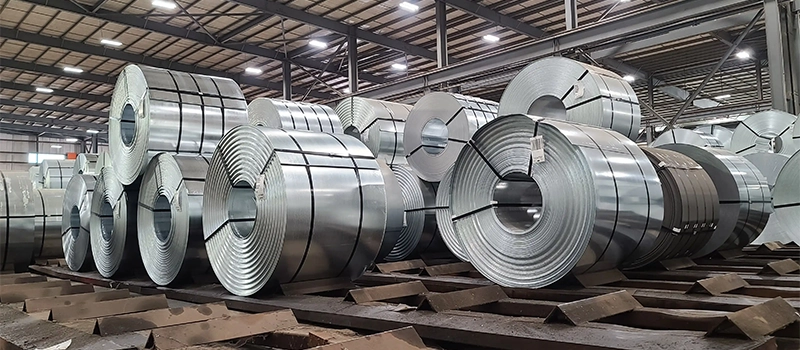
There are also continuous sheet galvanizing processes used for coils and flat sheet products. These allow for large-scale, consistent coating and are used in cladding, ductwork, and steel framing.
Why Zinc Works
Zinc protects steel in two ways. First, it acts as a physical barrier that keeps corrosive elements like water and oxygen away from the steel. Second, even if the zinc layer is scratched, zinc’s sacrificial properties take over. Zinc will corrode before the steel beneath it does, continuing to offer protection in areas where the coating is damaged.
This self-healing characteristic is one of the most valuable traits of galvanized steel, especially in outdoor or mechanically exposed environments.
Coating Thickness and Longevity
The lifespan of galvanized steel depends heavily on the coating thickness. In general, hot-dip galvanized coatings are thicker and provide longer service life compared to electrogalvanized finishes. Thicker coatings are used in industrial or marine environments, while thinner coatings may be acceptable for indoor or low-exposure settings.
International standards such as ASTM A123 or ISO 1461 provide coating thickness guidelines based on the intended application and expected exposure conditions.
Key Benefits of Galvanized Steel in Industrial Use
Long-Term Corrosion Resistance
One of the most valuable benefits of galvanized steel is its built-in corrosion resistance. The zinc coating shields the underlying steel from moisture, oxygen, and chemicals, all of which are known to accelerate rust formation. In most environments, galvanized steel can remain rust-free for decades without the need for frequent maintenance or touch-ups.
This durability makes it ideal for infrastructure, agricultural buildings, and outdoor equipment where long exposure to the elements is a concern. The zinc layer not only resists corrosion but continues protecting even if it becomes scratched or lightly damaged — a trait that is especially important in industrial settings with moving parts or mechanical contact.
Minimal Maintenance Over Time
Once installed, galvanized steel typically requires little to no maintenance. Unlike painted or coated materials that may chip, flake, or wear unevenly, the zinc coating is bonded directly to the steel and wears slowly over time. This allows manufacturers and facility owners to reduce long-term upkeep costs.
For buyers working within tight maintenance schedules or managing remote installations, using galvanized steel eliminates the need for repeated surface treatments. The savings in time, labor, and material can significantly improve total cost of ownership.
Strong Performance in Harsh Conditions
Galvanized steel performs reliably in a range of conditions — from humid coastal areas to areas exposed to industrial pollutants. It is commonly used in utility poles, outdoor framing, irrigation systems, and support structures that need to withstand wind, rain, and chemical exposure over time.
Its resistance to environmental wear makes it a dependable option in both rural and urban environments. Galvanized steel is often chosen over non-coated or painted steel for its ability to function under long-term exposure without rapid degradation.
Cost-Effective for Large-Scale Applications
Compared to alternative corrosion-resistant materials like stainless steel or weathering steel, galvanized steel offers excellent performance at a lower material cost. This makes it suitable for high-volume production and applications where surface finish and durability matter more than aesthetic appeal.
Its price-to-performance ratio is one of the main reasons it is preferred in large construction projects, agricultural machinery, telecommunications, and fencing. For procurement teams, galvanized steel strikes a practical balance between budget control and technical performance.
Ready Availability and Industry Standards
Galvanized steel is widely produced and standardized under specifications like ASTM, EN, and ISO. This ensures compatibility across international supply chains and allows buyers to specify requirements with confidence.
Whether purchasing coils, sheets, tubes, or custom-fabricated parts, galvanized steel is readily available and supported by global logistics networks. For project managers working with tight deadlines, this availability reduces sourcing risks and delays.
Galvanized Steel vs Other Materials: Which Performs Best?
Comparing With Stainless Steel
Stainless steel is often viewed as a premium alternative to galvanized steel, especially due to its naturally high corrosion resistance. However, the cost difference between the two is significant. Stainless steel contains chromium and other alloying elements, making it more expensive to produce and more costly to machine or fabricate.
Galvanized steel, on the other hand, offers corrosion protection at a much lower cost. While it may not match stainless steel in highly corrosive or marine environments, it performs well in most industrial and outdoor conditions. For applications where surface finish and strength are required but budget is a concern, galvanized steel becomes the more economical and practical choice.
Comparing With Aluminum
Aluminum is lightweight and naturally resistant to corrosion. It’s commonly used in transportation, aerospace, and lightweight structures. However, its lower strength compared to steel can be a limitation in structural applications. It is also more prone to deformation under heavy loads or impact.
Galvanized steel is heavier but significantly stronger, making it more suitable for construction, support frames, and equipment that must endure static or dynamic forces. When strength is prioritized over weight, galvanized steel remains the preferred material.
Painted or Coated Mild Steel
Some manufacturers use painted or powder-coated steel as an alternative to galvanized products. While coatings can initially provide corrosion resistance, they are prone to chipping, scratching, and UV degradation over time. Once the paint layer fails, rust spreads quickly.
Galvanized steel does not rely on paint for protection. Its zinc coating is metallurgically bonded and continues to provide corrosion resistance even when damaged. For environments where abrasion or mechanical wear is expected, galvanized steel offers better long-term reliability without ongoing surface maintenance.
Material Selection by Application
Each material has its strengths. Stainless steel is best for high-exposure or sanitary applications. Aluminum excels where low weight is essential. But for structural, fabricated, and cost-sensitive projects, galvanized steel provides the ideal middle ground — offering corrosion protection, strength, and economic efficiency.
For procurement decisions, understanding the exact exposure environment, mechanical load, and lifetime cost is essential. Galvanized steel often emerges as the best balance of durability, availability, and price.
Applications of Galvanized Steel Across Industries
Construction and Structural Engineering
In the construction sector, galvanized steel is widely used for framing, roofing, ductwork, and structural supports. It’s commonly found in building frameworks, steel joists, cable trays, and guardrails—areas where exposure to moisture, wind, and varying temperatures is inevitable. Because of its durability and minimal maintenance needs, galvanized steel is favored in commercial buildings, warehouses, and modular structures.
Galvanized steel is also used in scaffolding systems, handrails, and steel stud framing. Its resistance to rust eliminates many of the safety and durability concerns that come with untreated or painted metal components.
Telecommunications and Electrical Infrastructure
Galvanized steel supports key infrastructure in telecommunications and power distribution. It is commonly used in the fabrication of utility poles, transmission towers, brackets, and mounting hardware. Its strength and outdoor durability make it suitable for long-term field deployment, even in harsh weather conditions.
The zinc coating on galvanized steel helps reduce electrical conductivity on exposed parts, providing both protection and function in grounded systems. These components often remain in use for decades with little degradation.
Agriculture and Livestock Equipment
In agricultural settings, galvanized steel is the material of choice for fencing, gates, irrigation pipes, and feeding equipment. It resists corrosion from rain, fertilizers, and animal waste—conditions that would quickly degrade untreated steel. Galvanized steel offers the strength needed for large enclosures, gates, and corrals without requiring frequent replacement or repair.
It’s also used in silos, grain handling systems, and structural supports for greenhouse frames. The low maintenance requirements make galvanized steel a long-term investment for rural and agricultural operations.
HVAC Systems and Ventilation
Galvanized steel is a standard material in ductwork and HVAC systems. Its ability to resist moisture and maintain structural form makes it ideal for air handling units, exhaust systems, and ventilation pathways. It is also used in protective enclosures for outdoor HVAC units.
Because these systems are exposed to condensation, temperature changes, and sometimes industrial fumes, galvanized steel helps maintain airflow efficiency while extending system life.
Transportation and Automotive Use
While not as prominent as aluminum or stainless steel in high-performance vehicles, galvanized steel is widely used in the automotive sector. It appears in chassis parts, panels, underbody frames, and other components that need basic corrosion protection. Manufacturers often choose galvanized steel where strength, formability, and anti-corrosion qualities must coexist at an affordable cost.
Fabrication Behavior: Forming, Cutting, and Welding
Formability of Galvanized Steel
Galvanized steel offers good formability in most industrial applications, but the presence of the zinc coating must be considered during bending, stamping, or shaping. The coating itself is ductile but can crack or flake if tight radius bends are applied without accounting for coating thickness.
During sheet metal forming, the zinc layer provides surface protection, but also adds a slight resistance to deformation compared to bare steel. Tooling adjustments may be required to maintain dimensional accuracy and prevent coating damage. Most galvanized steel sheets, especially those used in HVAC and automotive parts, are designed to be compatible with press brake forming, roll forming, and stamping.
To maintain consistent surface appearance and corrosion protection, careful attention should be given to bend orientation, tooling cleanliness, and lubrication. For tighter tolerance work, specifying coating class and thickness helps ensure repeatable results.
Laser and Plasma Cutting Considerations
Galvanized steel can be cut using standard fabrication techniques such as shearing, laser cutting, and plasma cutting. However, thermal cutting processes may release zinc oxide fumes, which are harmful if not properly ventilated.
Laser cutting delivers high precision and minimal edge deformation but may cause localized burning of the zinc coating near the cut edge. Plasma cutting is more aggressive and often used for thicker sections but requires additional attention to edge finishing.
To maintain coating integrity, post-cut treatments like edge cleaning or touch-up galvanizing may be necessary if corrosion protection is critical at exposed edges. Many suppliers offer precision-cut galvanized steel parts with pre-treated or recoated edges for this reason.
Welding and Galvanized Steel
Welding galvanized steel requires extra care due to the zinc coating. When the steel is welded, the zinc near the joint burns off, producing zinc oxide and possibly interfering with weld quality if not properly managed. To mitigate these issues, joint areas are often ground clean before welding and recoated afterward using cold galvanizing sprays or zinc-rich paints.
Common welding methods used with galvanized steel include MIG, TIG, and spot welding. Ventilation is critical to remove fumes. Welders also need to adjust parameters to account for coating thickness and heat behavior. In automated manufacturing, pre-cleaning and post-weld inspection are standard to ensure joint strength and corrosion protection.
In structural fabrication and equipment assembly, understanding these behaviors helps avoid rework and maintain consistent product quality.
Surface Quality and Common Defects to Watch For
Understanding Spangle Appearance
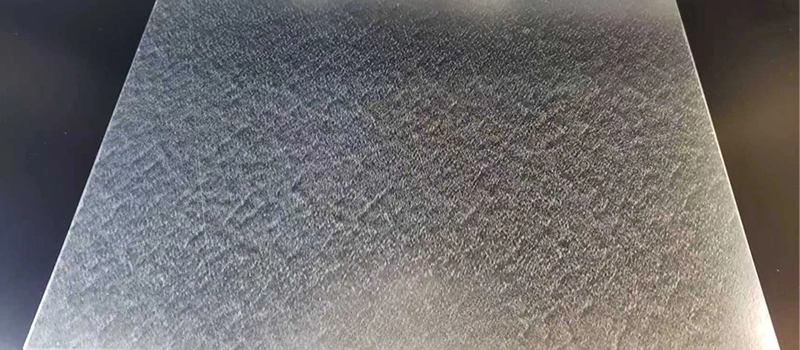
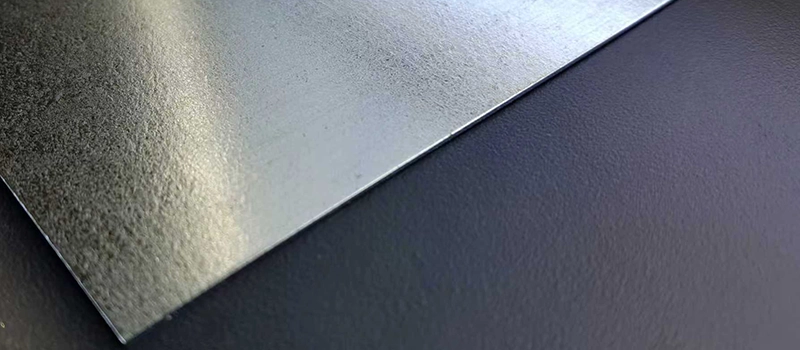
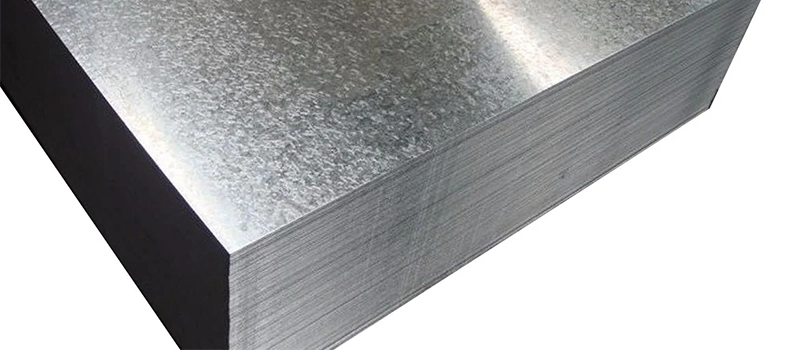
Spangle refers to the visible crystalline pattern on the surface of galvanized steel. While it does not affect performance, spangle size and uniformity are often considered in aesthetic or exposed applications. Some buyers prefer zero or minimized spangle for cosmetic reasons, especially in architectural cladding or ductwork.
Spangle is influenced by the cooling rate and the presence of alloying elements during the galvanizing process. Unless a spangle-free finish is specifically requested, the appearance may vary between batches. For projects with visual or branding requirements, it’s important to specify surface finish expectations during procurement.
Coating Thickness Variation
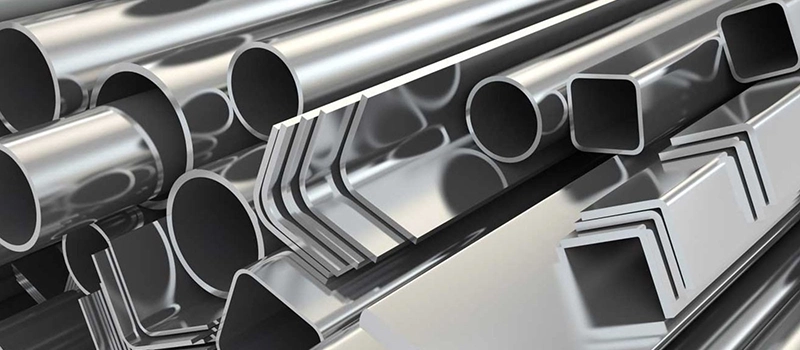
The thickness of the zinc layer is critical to corrosion resistance. Inconsistent coating can result from improper surface preparation, uneven immersion during hot-dip galvanizing, or issues with continuous coating lines. Thinner areas may corrode sooner, especially at corners or edges.
Standard specifications like ASTM A123 or ISO 1461 provide tolerances and testing methods to verify coating thickness. Buyers should request coating certification or conduct spot testing when ordering critical components. Consistency in coating thickness directly impacts product lifespan and appearance.
Surface Defects and Mechanical Damage
Common surface defects in galvanized steel include blisters, roughness, ash inclusions, and bare spots. These can occur during the dipping process, from contamination, or due to improper handling. In some cases, defects may also result from excessive moisture during storage or shipping.
Mechanical damage like scratches or dents may expose the steel underneath the zinc layer. Although zinc offers sacrificial protection, repeated or severe damage can accelerate localized corrosion. When galvanizing is specified for corrosion protection, any exposed steel should be touched up with approved zinc-based coatings.
Quality control during production, transit, and assembly is essential. Suppliers should follow recognized inspection practices, and end-users should conduct visual checks upon delivery and before installation.
When to Reject or Rework Galvanized Steel
In high-specification projects, surface quality matters not just for appearance but also for corrosion performance. Rejection criteria often include bare areas beyond allowable limits, flaking zinc, or evidence of poor adhesion. Cold galvanizing sprays can be used to repair small areas, but large-scale defects may require recoating or replacement.
For procurement teams, establishing inspection protocols and understanding the visual and functional expectations of galvanized steel is key to avoiding disputes, delays, and future failures in the field.
Conclusion
Galvanized steel remains one of the most practical and reliable materials across industries. Its corrosion resistance, structural strength, and fabrication compatibility make it an ideal choice for long-term, low-maintenance performance. When specified and handled correctly, galvanized steel delivers both durability and value in demanding environments.