“Ferrous metals contain iron and are generally magnetic, while non ferrous metals are corrosion-resistant and lightweight.” — International Materials Handbook (source placeholder)
The distinction between ferrous vs non ferrous metals is a fundamental concept in materials science, manufacturing, and engineering.
In this helpful comparison guide, we explore what these two categories mean, their key characteristics, common types, and how they are used across different industries.
🧲 What are Ferrous Metals?
In the context of ferrous vs non ferrous metals, the term ferrous refers to any metal that contains iron. The word itself is derived from the Latin term ferrum, meaning iron. Ferrous metals have been used throughout human history and remain foundational to modern industry and infrastructure.
Ferrous metals are produced primarily through the extraction and refinement of iron ore. These metals may exist in pure form, such as wrought iron, or more commonly as alloys — where iron is mixed with other elements to enhance specific properties like strength, hardness, or machinability. Steel, for example, is a widely used ferrous alloy that combines iron with controlled amounts of carbon.
Because of their iron content, ferrous metals tend to be dense and heavy, making them suitable for applications that demand structural strength and durability. From construction beams and automotive components to industrial machinery and pipelines, ferrous metals serve as the backbone of countless engineered systems.
Ferrous metals are also widely recycled, making them a sustainable choice in large-scale manufacturing. The high availability and cost-efficiency of iron-based materials contribute to their global dominance in heavy industries.
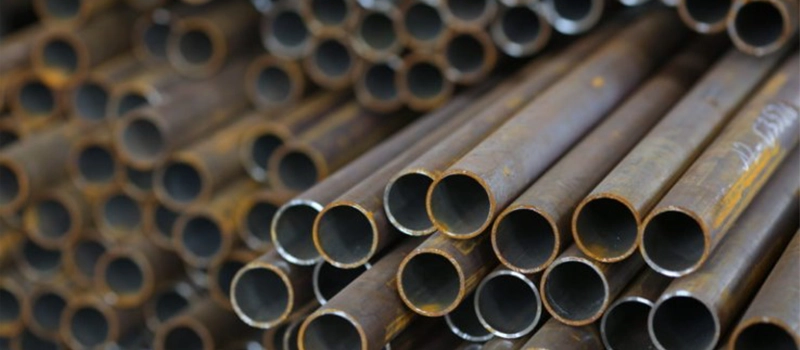
In short, ferrous metals:
- Contain iron as the main element
- Are derived from iron ore
- Are typically dense and strong
- Are used in structural, industrial, and heavy-duty applications
- Can exist as pure iron or in alloyed forms
Understanding what ferrous metals are is the first step toward recognizing their role in manufacturing and how they contrast with their non ferrous counterparts.
⚙️ Characteristics of Ferrous Metals
Understanding the characteristics of ferrous metals is essential when comparing ferrous vs non ferrous metals. These properties define their performance in construction, manufacturing, transportation, and engineering environments. Below are the key traits that set ferrous metals apart.
🔩 High Strength and Load-Bearing Capacity
Ferrous metals are known for their exceptional tensile strength. Their ability to withstand heavy mechanical loads makes them the material of choice in structural frameworks, bridges, high-rise buildings, and heavy machinery. Among ferrous vs non ferrous metals, ferrous types are almost always selected where strength is critical.
🧱 Density and Weight
Most ferrous metals are significantly denser than non ferrous alternatives. This higher weight contributes to their stability and structural performance. However, in projects where weight reduction is a priority, this becomes a drawback in the ferrous vs non ferrous metals comparison.
🌫 Susceptibility to Corrosion
Unless alloyed with corrosion-resistant elements like chromium or zinc, ferrous metals will rust when exposed to moisture and oxygen. This limits their use in marine or outdoor environments unless treated. One major difference between ferrous vs non ferrous metals is this vulnerability to oxidation.
🔥 High Melting Point and Thermal Stability
Ferrous metals exhibit high melting points, which make them suitable for high-temperature applications. Their thermal expansion and heat resistance allow them to maintain stability under intense operating conditions such as in engines, boilers, or furnaces.
🛠 Variable Machinability
The ease of machining ferrous metals depends on the specific alloy. Mild steel, for example, is relatively easy to cut and shape, while high-carbon tool steel is harder and more wear-resistant, but also more difficult to process. In ferrous vs non ferrous metals, ferrous types offer both workability and wear performance when the right alloy is selected.
🧾 Common Types of Ferrous Metals
When comparing ferrous vs non ferrous metals, it’s important to recognize the most widely used types of ferrous metals. Each type has distinct mechanical properties and industrial applications. Below are the most common categories of ferrous metals used in modern manufacturing and construction.
🧱 1. Carbon Steel
Carbon steel is the most prevalent ferrous metal in global use. It is made by combining iron and carbon, with carbon content ranging from low (mild steel) to high (tool steel).
- Low-carbon steel is easy to shape and weld, making it ideal for automotive parts, pipes, and construction framing.
- High-carbon steel is much harder and is used for cutting tools, blades, and wear-resistant machinery.
In the context of ferrous vs non ferrous metals, carbon steel offers excellent strength-to-cost ratio, but is highly susceptible to corrosion unless treated.
🔩 2. Alloy Steel
Alloy steel is created by adding elements such as chromium, nickel, manganese, or molybdenum to iron and carbon. This enhances strength, toughness, and corrosion resistance.
Common applications include automotive gears, aerospace components, and pressure vessels. Alloy steels are critical in situations where performance needs exceed what plain carbon steel can offer.
🧲 3. Stainless Steel
Stainless steel contains at least 10.5% chromium, which makes it resistant to rust and staining. It maintains the strength of carbon steel while offering improved surface stability.
There are multiple grades (austenitic, ferritic, martensitic), each with tailored properties for chemical processing, medical instruments, food production, and marine structures.
⚒ 4. Cast Iron
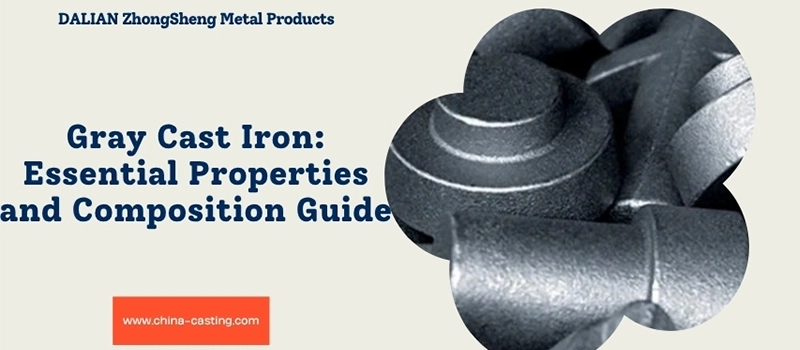
Cast iron is an iron-carbon alloy with a carbon content typically above 2%. It is known for excellent castability, compression strength, and vibration damping.
Used in heavy-duty applications like engine blocks, machine bases, and cookware, cast iron is brittle but highly wear-resistant. It plays a unique role in the ferrous vs non ferrous metals conversation due to its distinct casting advantages.
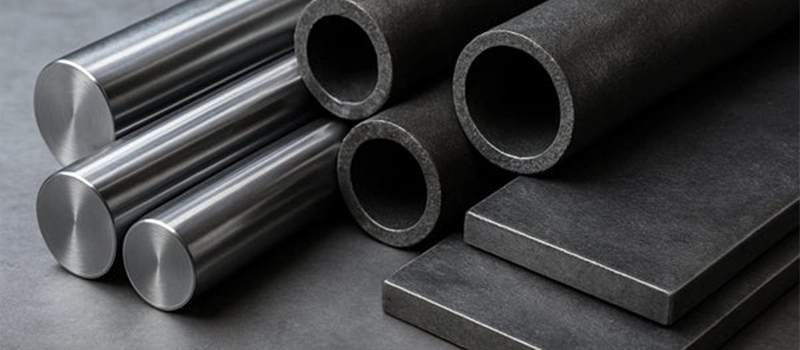
🔨 5. Wrought Iron
Wrought iron is nearly pure iron with very low carbon content. It’s soft, ductile, and corrosion-resistant due to the slag inclusions distributed throughout its structure. Though less commonly used today, it’s still found in decorative ironwork, gates, and fencing.
🪙 What are Non-Ferrous Metals?
In the study of ferrous vs non ferrous metals, non-ferrous metals are defined as metals that do not contain iron in significant amounts. Unlike their ferrous counterparts, these metals are typically more resistant to corrosion, lighter in weight, and non-magnetic — characteristics that make them essential in industries where durability, conductivity, or weight reduction are priorities.
The category of non-ferrous metals includes a wide range of elemental and alloyed materials, each with specific advantages. Common base non-ferrous metals include aluminum, copper, lead, zinc, nickel, and tin. There are also precious non-ferrous metals like gold, silver, and platinum, which are used in electronics, medical devices, and specialized engineering applications.
One of the key distinctions in ferrous vs non ferrous metals is how these materials behave under environmental exposure. Non-ferrous metals generally form a stable oxide layer on their surface, which protects them from further corrosion. This makes them especially valuable in marine environments, chemical processing plants, and any application where weather resistance is critical.
Non-ferrous metals are also known for their superior conductivity — both electrical and thermal. Copper, for example, is the standard in electrical wiring due to its low resistance and flexibility. Aluminum is prized for its combination of light weight and good conductivity, making it ideal in aerospace, automotive, and power transmission systems.
In addition to functional benefits, non-ferrous metals offer high value in terms of recyclability and material recovery. Their relatively stable pricing, widespread availability, and performance characteristics make them integral to modern manufacturing.
In summary, non-ferrous metals:
- Do not contain iron
- Resist corrosion naturally
- Are typically lighter than ferrous metals
- Exhibit excellent conductivity
- Are non-magnetic
- Are widely used in precision and high-value applications
Understanding what defines non-ferrous metals provides essential context in the broader comparison of ferrous vs non ferrous metals, especially when evaluating materials for advanced or specialized applications.
🧪 Characteristics of Non-Ferrous Metals
To fully understand the difference between ferrous vs non ferrous metals, it’s essential to look closely at the defining characteristics of non-ferrous metals. These properties make them invaluable in industries that require corrosion resistance, lightweight materials, or excellent conductivity.
🌧 Excellent Corrosion Resistance
Non-ferrous metals naturally resist corrosion because they do not contain iron. Many of them, like aluminum and copper, develop a protective oxide layer on the surface when exposed to air or moisture. This makes them ideal for outdoor, marine, and chemical environments where ferrous metals would degrade quickly. When comparing ferrous vs non ferrous metals, corrosion resistance is one of the most notable differences.
⚡ High Electrical and Thermal Conductivity
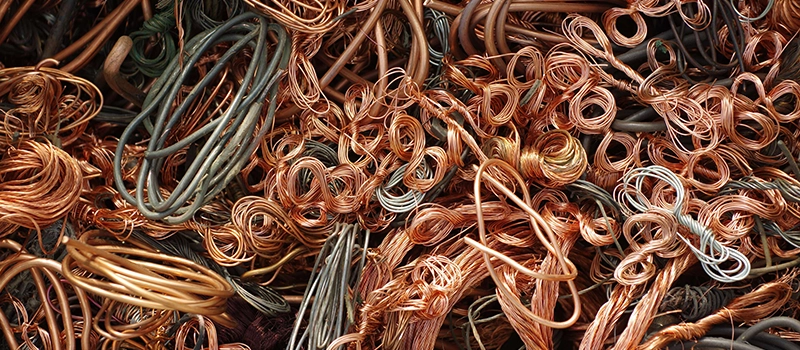
Many non-ferrous metals are excellent conductors. Copper, for instance, is the industry standard for electrical wiring due to its low resistance and high flexibility. Aluminum is also widely used for power transmission because it offers good conductivity at a much lighter weight. In the discussion of ferrous vs non ferrous metals, conductivity is a critical factor that gives non-ferrous types an edge in electrical and electronic applications.
🪶 Lightweight and High Strength-to-Weight Ratio
Non-ferrous metals like aluminum, magnesium, and titanium offer superior strength-to-weight ratios compared to ferrous metals. This property makes them essential in aerospace, automotive, and transport industries where reducing weight improves fuel efficiency and performance. In ferrous vs non ferrous metals, non-ferrous types are typically preferred when weight is a concern.
🚫 Non-Magnetic
Most non-ferrous metals are non-magnetic, which is useful in applications involving electronics, MRI machines, and precision instruments. This stands in direct contrast to many ferrous metals, which are typically magnetic. In ferrous vs non ferrous metals comparisons, magnetic behavior is a frequent point of distinction.
🔁 Recyclability and Material Recovery
Non-ferrous metals retain their properties even after multiple recycling cycles. Their high recyclability makes them economically and environmentally valuable, especially in sectors like construction, automotive, and electronics. Material recovery from scrap is a key part of the global supply chain for non-ferrous metals.
🧾 Common Types of Non-Ferrous Metals
When comparing ferrous vs non ferrous metals, understanding the common types of non-ferrous metals is essential for recognizing their value in modern industry. Each of these metals brings unique properties that make them indispensable in applications where ferrous metals fall short.
🪙 1. Aluminum
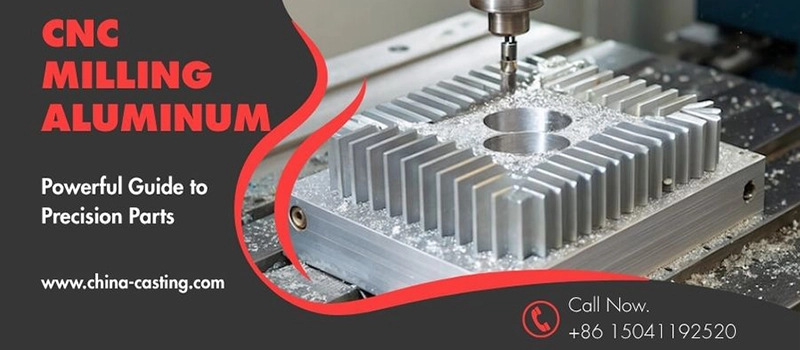
Aluminum is one of the most widely used non-ferrous metals in the world. It’s lightweight, corrosion-resistant, and easy to form. It also has excellent thermal and electrical conductivity.
Typical uses: aerospace components, automotive parts, packaging, structural framing, and electrical transmission lines.
In the ferrous vs non ferrous metals comparison, aluminum stands out for its unbeatable strength-to-weight ratio and non-rusting nature.
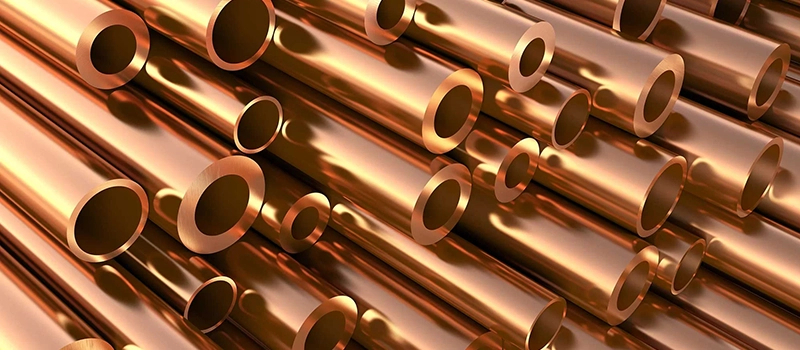
⚡ 2. Copper
Copper is known for its excellent electrical and thermal conductivity. It’s also malleable, ductile, and resistant to corrosion.
Typical uses: electrical wiring, plumbing, electronics, HVAC systems, and roofing.
Its ability to conduct electricity efficiently gives it a central role in comparing ferrous vs non ferrous metals, particularly in energy infrastructure.
🔩 3. Zinc
Zinc is primarily used as a coating to protect steel or iron from rusting — a process called galvanization. It’s also used in die casting and alloy production.
Typical uses: galvanizing steel, die-cast components, and battery casings.
Zinc enhances corrosion resistance, making it a key support metal in the ferrous vs non ferrous metals landscape.
⚖️ 4. Lead
Lead is dense, soft, and highly corrosion-resistant, especially to acids. However, it is toxic and thus restricted in many applications.
Typical uses: batteries, radiation shielding, and underwater cables.
While no longer widely used due to health concerns, lead remains important in niche areas within the ferrous vs non ferrous metals discussion.
🔬 5. Nickel
Nickel is a hard, corrosion-resistant metal often used in stainless steel production or as a base for alloys.
Typical uses: stainless steel, batteries, coins, and specialty alloys.
Nickel helps bridge the gap between ferrous vs non ferrous metals, as it is frequently alloyed with both categories.
💎 6. Tin
Tin is a soft, corrosion-resistant metal used mainly in coatings and solder.
Typical uses: food packaging (tin cans), soldering electronics, and protective coatings.
Its low melting point and stable surface make it highly useful in electronics and packaging sectors.

🏭 Applications of Ferrous vs Non-Ferrous Metals
The real-world applications of ferrous vs non ferrous metals are shaped by their core properties: strength, weight, corrosion resistance, conductivity, and cost. Each type of metal is suited to different industries and functions. Below is a breakdown of where and why these two categories are used across key sectors.
🏗 Applications of Ferrous Metals
Ferrous metals are most commonly used in structural and load-bearing applications where strength and durability are essential.
Key Industries and Uses:
- Construction: Beams, rebar, structural steel, I-beams, columns, bridges
- Automotive: Engine blocks, chassis, body frames, gears, axles
- Machinery & Equipment: Industrial tools, heavy-duty machinery frames, cutting tools
- Transportation: Railway tracks, ship hulls, containers
- Infrastructure: Pipelines, pressure vessels, reinforcing bars
Ferrous metals dominate these areas because of their high tensile strength, cost-efficiency, and availability. In the ferrous vs non ferrous metals context, ferrous types win where mechanical performance and large-scale stability are priorities.
✈️ Applications of Non-Ferrous Metals
Non-ferrous metals excel in environments where weight, corrosion resistance, or electrical conductivity are critical.
Key Industries and Uses:
- Aerospace: Aircraft frames, engine parts, landing gear (aluminum, titanium)
- Electrical & Electronics: Wiring, circuit boards, connectors (copper, silver)
- Automotive: Lightweight body parts, wiring, battery casings (aluminum, copper, nickel)
- Construction: Roofing, cladding, windows, architectural detailing (aluminum, zinc)
- Marine: Boat parts, propellers, underwater piping (bronze, aluminum)
- Consumer Goods: Phones, laptops, appliances (aluminum, copper, precious metals)
When comparing ferrous vs non ferrous metals, non-ferrous types are chosen for precision, lightweight design, and environmental resistance. Their role is growing especially in high-performance industries like aerospace, EV manufacturing, and clean energy.
⚖️ Advantages and Disadvantages of Each Type
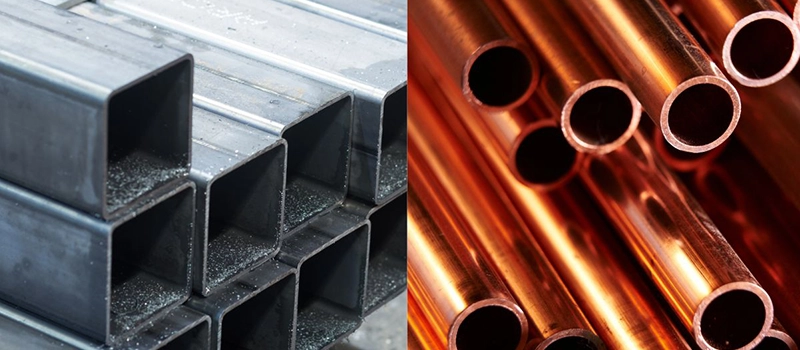
When evaluating ferrous vs non ferrous metals, it’s essential to weigh the pros and cons of each category. Both have distinct advantages and limitations depending on the application, environment, and performance requirements.
✅ Advantages of Ferrous Metals
- High Strength and Durability
Ferrous metals, especially carbon and alloy steels, offer superior mechanical strength. They are ideal for structural and heavy-load applications. - Cost-Effective
Iron is abundant and relatively inexpensive to process. Ferrous metals provide a high strength-to-cost ratio, making them practical for large-scale use. - Availability and Standardization
Ferrous metals are globally available in standardized forms and grades, simplifying sourcing and specification in engineering projects. - Recyclability
Ferrous metals are easily recycled and reused without significant loss of performance, contributing to a sustainable supply chain.
In the ferrous vs non ferrous metals comparison, ferrous types dominate in affordability, load-bearing performance, and volume availability.
❌ Disadvantages of Ferrous Metals
- Susceptibility to Corrosion
Without protective coatings or alloying, ferrous metals rust in moist environments. This limits their performance in marine, coastal, or chemical settings. - High Weight
Ferrous metals are dense and heavy. In applications where weight matters — like aerospace or electronics — they are less suitable. - Magnetism
Ferrous metals are magnetic, which can interfere with certain electrical or sensitive technical environments.
✅ Advantages of Non-Ferrous Metals
- Corrosion Resistance
Non-ferrous metals naturally resist oxidation, making them ideal for outdoor, marine, or chemical environments. - Lightweight
Metals like aluminum, magnesium, and titanium offer excellent strength-to-weight ratios, improving efficiency in vehicles and aircraft. - Superior Conductivity
Copper and aluminum are excellent electrical conductors, essential in electronics and power systems. - Non-Magnetic
Most non-ferrous metals are non-magnetic, making them suitable for use in medical, electronic, and sensitive applications.
These advantages make non-ferrous materials indispensable when high performance, environmental resistance, or conductivity is required in the ferrous vs non ferrous metals debate.
❌ Disadvantages of Non-Ferrous Metals
- Higher Cost
Non-ferrous metals are generally more expensive than ferrous ones due to lower abundance and more complex extraction processes. - Lower Tensile Strength
While excellent for lightweight applications, many non-ferrous metals are not as strong under stress compared to ferrous metals. - Limited Availability
Certain non-ferrous materials — like cobalt, lithium, and rare earths — may face supply chain issues or geopolitical sourcing risks.
🧾 Conclusion
The distinction between ferrous vs non ferrous metals lies at the core of material selection in modern industry. Each category offers unique advantages that serve specific functions — from strength and structure to conductivity and corrosion resistance. Understanding their differences ensures smarter engineering, efficient sourcing, and better-performing products.