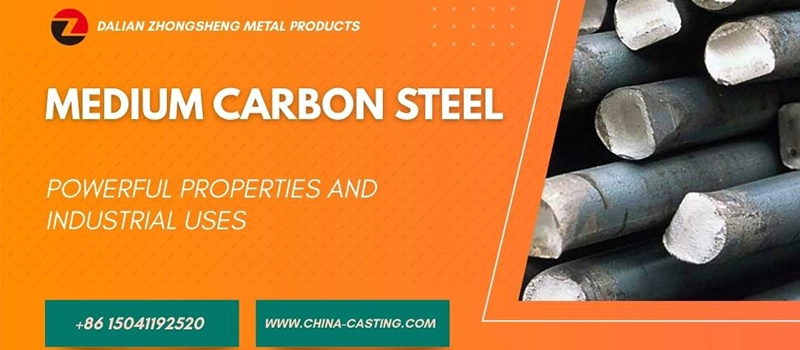
Ferrous metals are metallic materials that contain iron as their primary element.
In industrial and manufacturing contexts, this iron content directly determines their mechanical behavior, magnetic properties, and processing characteristics. As a result, ferrous metals form the structural foundation of modern industry and remain among the most widely used materials worldwide.
In practical terms, when engineers and manufacturers refer to ferrous metals, they are describing materials such as carbon steel, alloy steel, and cast iron. These materials are valued for their strength, durability, and cost efficiency, particularly in applications where load-bearing capacity and structural reliability are essential.
Understanding what ferrous metals are, how they differ from non-ferrous alternatives, and why they continue to dominate many industrial sectors is fundamental to informed material selection. This knowledge provides a technical basis for evaluating performance, processing methods, and long-term suitability across a wide range of industrial uses.
What Are Ferrous Metals?
Ferrous metals are metals in which iron is the primary constituent. The presence of iron defines their classification and places them within a distinct category of industrial materials. In material science and manufacturing terminology, any metal or alloy whose composition is dominated by iron is identified as a ferrous metal.
This definition is based purely on chemical composition, not on performance characteristics or applications. Whether a material is classified as ferrous depends on the role iron plays within its structure, rather than how the metal is used or processed. As a result, ferrous metals form a broad category that includes a wide range of iron-based materials.
Definition and Meaning of Ferrous Metals
The term “ferrous” originates from the Latin word ferrum, meaning iron. Accordingly, the definition of a ferrous metal refers to any metal or alloy that contains iron as its principal element. This includes both pure iron and iron-based alloys in which other elements are added to modify behavior or performance.
In industrial usage, ferrous metal is a collective term rather than a specific material name. It is commonly used to distinguish iron-based materials from metals that do not contain iron. This distinction provides a clear framework for material classification and communication across engineering, manufacturing, and supply chains.
Ferrous Metals and Non-Ferrous Metals: A Classification Boundary
The difference between ferrous and non-ferrous metals lies in composition, not in quality or function. Ferrous metals are iron-based, while non-ferrous metals are not. This compositional boundary is the foundation for all further distinctions between the two categories.
By establishing whether iron is present as a primary element, engineers and manufacturers can place a material into the correct classification before evaluating its properties, processing methods, or suitability for specific applications. This initial classification step is essential for accurate material identification and selection.
Why Iron Defines the Ferrous Metal Category
Iron serves as the defining element of ferrous metals because it forms the structural and chemical basis of the material. When iron is combined with varying amounts of carbon or other alloying elements, a wide family of iron-based materials emerges, all of which remain within the ferrous category.
This compositional flexibility explains why ferrous metals are treated as a unified material group despite internal differences. The shared presence of iron provides a common reference point for classification, standards, and industrial terminology.
Types of Ferrous Metals
Ferrous metals include a range of iron-based materials that differ in composition, structure, and industrial classification. While these materials may vary significantly in performance and processing behavior, they are grouped together because iron remains the dominant element in their chemical makeup. Understanding these types provides a clear framework for material identification before any evaluation of properties or applications.
Pure Iron
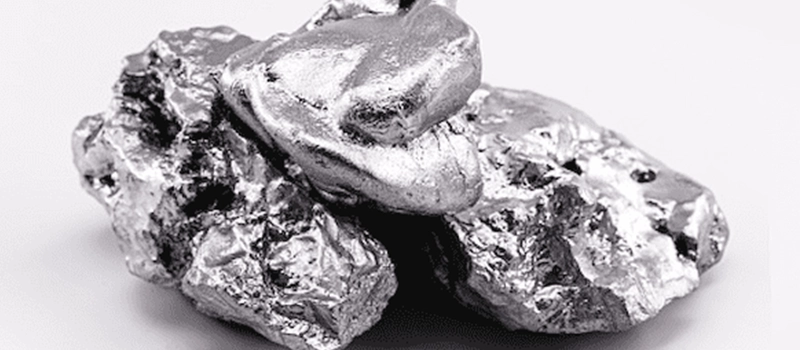
Pure iron represents the most basic form within the ferrous category. It consists almost entirely of iron, with minimal impurities. Although rarely used in its pure state for structural applications, it serves as the foundational reference material for understanding iron-based metals.
In industrial contexts, pure iron is primarily used for specialized purposes where controlled magnetic or chemical behavior is required. More commonly, it acts as the base material from which iron alloys are developed rather than as a finished engineering material.
Carbon Steel
Carbon steel is one of the most widely recognized and used ferrous materials. It is composed primarily of iron and carbon, with carbon content adjusted to influence material behavior. Based on carbon levels, carbon steel is commonly classified into low, medium, and high carbon grades.
This category forms the backbone of many industrial systems due to its adaptability. By altering carbon content, manufacturers can produce materials suitable for a wide range of structural and mechanical requirements while maintaining the iron-based identity that defines ferrous metals.
Alloy Steel
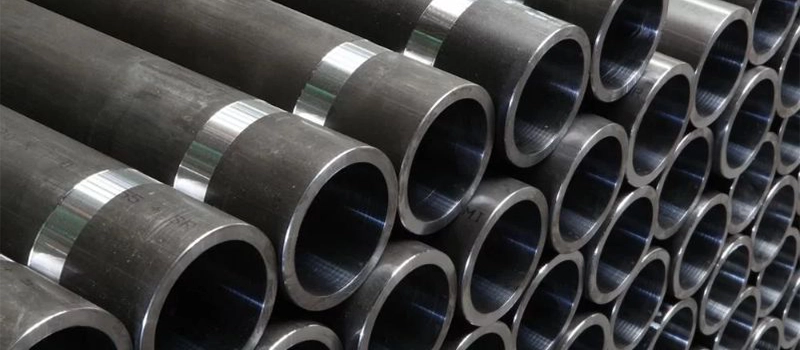
Alloy steel extends the basic iron–carbon system by introducing additional alloying elements such as chromium, nickel, molybdenum, or manganese. These elements are added to modify specific aspects of material performance while iron remains the primary component.
Despite their enhanced composition, alloy steels are still classified as ferrous because iron continues to form the structural framework of the material. Alloy steels are often developed to meet more specialized industrial standards, but their classification remains rooted in iron dominance.
Cast Iron
Cast iron is another major category within ferrous materials and is distinguished by its relatively high carbon content compared to steel. This composition allows cast iron to be processed efficiently through casting methods, resulting in complex shapes and consistent dimensional accuracy.
Although cast iron differs significantly from steels in structure and behavior, it is firmly classified as ferrous due to its iron-based composition. Various forms of cast iron exist, each developed to suit specific manufacturing and structural requirements.
Stainless Steel
Stainless steel is a ferrous alloy that contains iron combined with chromium and other elements. The presence of chromium does not remove it from the ferrous category, as iron remains the principal constituent.
This material is often misunderstood as non-ferrous due to its appearance and resistance to corrosion. However, from a classification standpoint, stainless steel is clearly iron-based and therefore belongs within the ferrous metals group.
Properties of Ferrous Metals
The properties of ferrous metals are primarily determined by their iron-based composition and internal structure. While individual materials within this category can vary widely, ferrous metals share several fundamental characteristics that influence how they behave under mechanical, thermal, and chemical conditions. These properties form the technical basis for evaluating performance before selecting specific applications.
Chemical Composition and Microstructure
The chemical composition of ferrous metals is centered on iron, typically combined with controlled amounts of carbon and other alloying elements. Carbon plays a particularly important role, as it directly affects hardness, strength, and structural behavior.
At the microscopic level, the arrangement of iron atoms and carbon within the metal creates distinct microstructures. These internal structures govern how the material responds to stress, heat, and deformation. Adjusting composition and processing conditions allows manufacturers to influence these internal characteristics without altering the fundamental iron-based nature of the material.
Mechanical Strength and Load-Bearing Capability
Ferrous metals are widely recognized for their mechanical strength and ability to support heavy loads. Their internal structure enables them to resist deformation under tensile, compressive, and impact forces.
This load-bearing capability makes iron-based materials suitable for structural frameworks, machinery components, and systems where mechanical reliability is essential. While strength levels vary among different types, the overall category is defined by its capacity to perform under sustained mechanical stress.
Magnetic Behavior of Ferrous Metals
A defining physical property of many ferrous metals is their magnetic behavior. The presence of iron causes these materials to interact with magnetic fields, which is why ferrous metals are commonly identified through magnetic testing.
It is important to note that magnetic response can vary depending on alloy composition and processing history. Some iron-based alloys may exhibit reduced magnetism due to specific structural arrangements or treatments. Nevertheless, magnetism remains a characteristic feature associated with ferrous materials as a group.
Heat Treatment Response
Ferrous metals respond strongly to heat treatment processes such as annealing, quenching, and tempering. These thermal processes alter internal structure without changing chemical composition, allowing manufacturers to adjust hardness, toughness, and ductility.
This responsiveness to heat treatment provides a high degree of control over material performance. It also distinguishes ferrous metals from many non-iron materials, which may offer limited post-processing flexibility once formed.
Corrosion Tendency and Surface Behavior
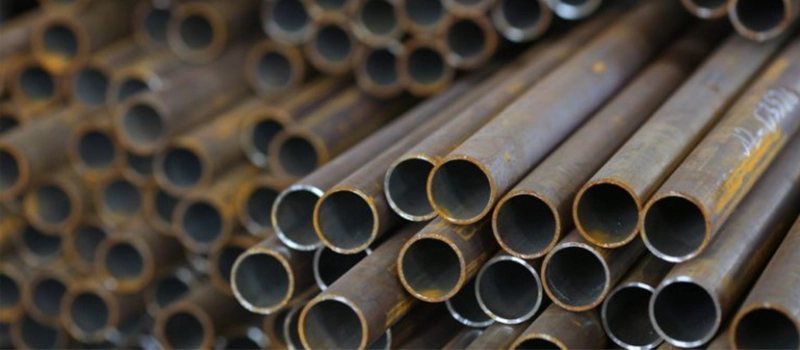
From a chemical standpoint, iron-based materials are susceptible to oxidation when exposed to moisture and oxygen. This tendency influences how ferrous metals behave in certain environments and often necessitates protective measures.
Surface treatments, coatings, and controlled alloying are commonly used to manage corrosion-related behavior. While corrosion resistance varies among different iron-based materials, the interaction between iron and the environment remains a fundamental property that must be considered during material evaluation.
Common Uses of Ferrous Metals
Ferrous metals are widely used across industrial sectors where strength, structural stability, and cost efficiency are primary requirements. Their applications are shaped by their iron-based composition and predictable behavior under mechanical stress, making them foundational materials in both heavy industry and large-scale manufacturing systems.
Construction and Structural Engineering
One of the most common applications of ferrous metals is in construction and structural engineering. Materials such as carbon steel, alloy steel, and cast iron are extensively used in buildings, bridges, and infrastructure projects where load-bearing capability and long-term structural integrity are essential.
When engineers evaluate what metals are ferrous for structural use, iron-based materials are typically the first choice due to their ability to withstand compression, tension, and dynamic loads. Their widespread availability and standardized specifications further support their dominance in construction-related applications.
Machinery and Industrial Equipment
Ferrous metals are central to the manufacture of machinery and industrial equipment. Components such as frames, shafts, gears, housings, and fasteners are commonly produced from iron-based materials because they offer reliable mechanical performance under repeated stress and vibration.
In industrial processing systems, ferrous metal parts are often selected for their compatibility with machining, forming, and heat treatment processes. This makes them suitable for equipment that must maintain dimensional stability while operating under demanding conditions.
Automotive and Transportation Systems
The automotive and transportation industries rely heavily on ferrous metals for critical components. Structural frames, engine parts, braking systems, and drivetrain elements frequently use iron-based materials due to their strength and durability.
When comparing ferrous vs non ferrous metals in transportation applications, ferrous materials are often chosen for areas where impact resistance and structural robustness outweigh weight reduction considerations. This balance explains their continued use alongside lighter non-ferrous alternatives.
Energy and Power Infrastructure
Ferrous metals are widely used in energy generation and power infrastructure. Steel and cast iron components are found in power plants, transmission systems, pipelines, and support structures that require long service life and resistance to mechanical fatigue.
In these environments, iron-based materials provide consistent performance under variable loads and temperatures. Their suitability for large-scale fabrication and installation makes them practical choices for energy-related systems.
Manufacturing Tools and Production Systems
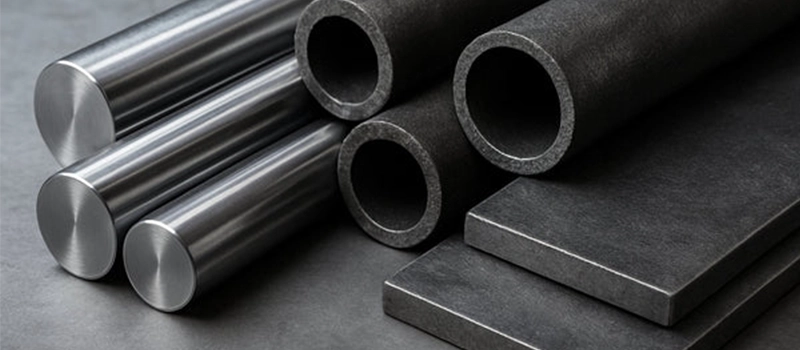
Manufacturing tools, dies, molds, and production equipment frequently rely on ferrous metals due to their hardness and resistance to wear. These materials support repeated use without significant deformation, which is critical for maintaining production accuracy and efficiency.
Ferrous materials are also commonly used in tooling systems because their properties can be adjusted through controlled processing, allowing manufacturers to match material behavior to specific production requirements.
Advantages of Using Ferrous Metals
The continued dominance of ferrous metals in industrial systems is driven by a set of practical advantages that align closely with engineering, manufacturing, and economic requirements. These advantages are not theoretical; they are proven through long-term use across construction, machinery, transportation, and energy industries.
High Strength and Structural Reliability
One of the primary advantages of ferrous metals is their ability to provide high mechanical strength and structural reliability. Iron-based materials are capable of supporting heavy loads and resisting deformation under sustained stress.
When engineers compare ferrous vs non ferrous metals for structural applications, ferrous materials are often preferred where strength, rigidity, and safety margins are critical. This reliability makes them suitable for frameworks, load-bearing components, and large-scale industrial systems.
Cost Effectiveness and Material Availability
Ferrous metals are generally more cost-effective than many non-ferrous alternatives. Iron is abundant, and iron-based materials benefit from well-established global supply chains and standardized production methods.
As a result, ferrous metal prices tend to be more stable and predictable, particularly for large-volume industrial use. This cost advantage is a key reason why ferrous metals remain the default choice for many applications where budget control and material availability are important decision factors.
Compatibility with Manufacturing Processes
Another major advantage of ferrous metals is their compatibility with a wide range of manufacturing processes. These materials can be cast, forged, machined, welded, and heat-treated using mature and widely available technologies.
This processing flexibility allows manufacturers to produce components in large quantities while maintaining consistent quality. From an industrial standpoint, the ability to integrate ferrous materials seamlessly into existing production systems reduces complexity and operational risk.
Adjustable Properties Through Processing
Ferrous metals offer a unique advantage in that their performance characteristics can be modified through controlled processing techniques. By adjusting composition or applying heat treatment, manufacturers can tailor hardness, toughness, and strength to meet specific requirements.
This adaptability gives iron-based materials a level of versatility that supports diverse industrial needs. Rather than selecting entirely different materials, engineers can often achieve desired performance by modifying processing parameters within the same material family.
Proven Performance and Industry Standards
Ferrous metals benefit from decades of industrial use and extensive standardization. Material grades, testing methods, and performance expectations are well defined across international standards.
This proven track record reduces uncertainty during material selection. Engineers and manufacturers can rely on documented performance data, making ferrous metals a low-risk choice for critical applications.
Disadvantages of Ferrous Metals
While ferrous metals offer clear advantages in strength, cost, and availability, they also present limitations that must be carefully considered during material selection. These disadvantages do not reduce their industrial importance, but they do influence where iron-based materials are most appropriate—and where alternatives may be more suitable.
Susceptibility to Corrosion
One of the most well-known disadvantages of ferrous metals is their tendency to corrode when exposed to moisture and oxygen. Because iron reacts readily with environmental elements, unprotected surfaces can degrade over time, particularly in humid, marine, or chemically aggressive environments.
This corrosion tendency often requires additional protective measures such as coatings, plating, or controlled alloying. These treatments add complexity and cost to production and maintenance, which must be accounted for when evaluating long-term performance.
Higher Material Weight
Compared to many non-iron materials, ferrous metals generally have higher density. This greater weight can be a limitation in applications where mass reduction is a priority, such as transportation systems, mobile equipment, or structures designed for efficiency optimization.
When engineers compare ferrous vs non ferrous metals in weight-sensitive designs, iron-based materials may be less favorable despite their strength. In such cases, designers must balance structural requirements against efficiency and handling considerations.
Limited Corrosion Resistance Without Treatment
Although certain iron-based alloys improve resistance to environmental exposure, many ferrous materials require surface treatment or alloy modification to achieve acceptable corrosion performance. This reliance on secondary processes increases production steps and lifecycle management requirements.
In contrast, some non-ferrous materials naturally resist corrosion without extensive surface protection. This difference can influence material choice in applications where maintenance access is limited or environmental exposure is continuous.
Magnetic Interference in Sensitive Applications
The magnetic nature of many iron-based materials can be a disadvantage in applications involving sensitive electronic systems, precision instruments, or environments where magnetic interference must be minimized.
While magnetism is not inherently negative, it restricts the suitability of ferrous metals in certain technical contexts. Designers must account for this characteristic when selecting materials for specialized equipment or high-precision systems.
Processing Constraints in Certain Designs
Although ferrous metals are compatible with many manufacturing processes, some designs may face constraints related to forming complexity, machining difficulty, or required tooling strength. High-strength iron-based materials can be more demanding to process compared to softer or more ductile alternatives.
These constraints do not prevent their use but may influence production cost, tool wear, and manufacturing efficiency, particularly for intricate or lightweight component designs.
Recycling and Sustainability of Ferrous Metals
Recycling is a critical component of the lifecycle of ferrous metals and plays a central role in their long-term sustainability. Because iron-based materials can be recovered and reused efficiently, ferrous metals form one of the most established and economically viable recycling systems in the global materials industry.
Ferrous Metal Recycling Process
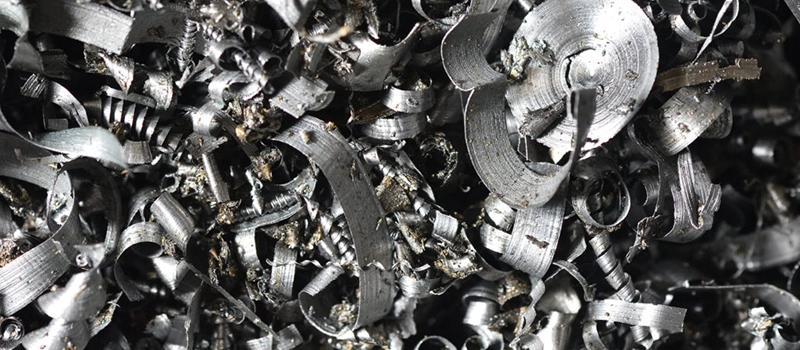
The recycling process for ferrous metals typically begins with the collection of scrap material from manufacturing operations, construction sites, end-of-life machinery, and consumer products. This scrap may include structural steel, cast iron components, and other iron-based materials that have reached the end of their service life.
One of the key advantages in recycling ferrous scrap metal is the ease of separation. Since iron-based materials respond strongly to magnetic sorting, they can be efficiently separated from mixed waste streams. This magnetic separation capability simplifies processing and improves recovery rates compared to many other material categories.
After separation, ferrous scrap is processed through shredding, cleaning, and melting stages. The recovered material is then refined and reintroduced into steelmaking or casting operations, where it becomes feedstock for new products without fundamentally changing its material identity.
Material Recovery and Reuse Efficiency
Ferrous metals are highly suitable for repeated recycling because their core chemical structure remains stable during remelting. Unlike some materials that degrade after multiple cycles, iron-based metals retain their usability across repeated processing stages.
This ability to maintain material integrity supports closed-loop production systems, where recycled content is continuously reintroduced into manufacturing. In many cases, recycled ferrous material becomes indistinguishable from material produced from primary sources, allowing it to meet the same industrial standards.
Economic Role of Ferrous Scrap Metal
The recycling of ferrous metals is not only a technical process but also an important economic activity. Ferrous scrap metal forms a significant global commodity market, supporting supply chains across construction, manufacturing, and metal processing industries.
Ferrous scrap metal prices are influenced by factors such as steel demand, energy costs, and regional supply conditions. Because iron-based materials are widely used and readily recyclable, scrap markets tend to be active and liquid, providing both economic value and material security.
For manufacturers, the availability of recycled feedstock helps reduce dependence on primary raw materials while supporting cost control and supply stability.
Sustainability Considerations
From a sustainability perspective, recycling ferrous metals reduces the need for raw material extraction and lowers overall energy consumption compared to primary production. Melting recycled iron-based materials typically requires less energy than processing iron ore from its original state.
In addition, the durability and long service life of ferrous metals contribute to sustainability by reducing replacement frequency and material waste. When combined with efficient recycling systems, these factors make ferrous metals well aligned with long-term industrial sustainability goals.
Conclusion: The Importance of Ferrous Metals in Industry
Ferrous metals remain essential to modern industry due to their strength, versatility, and economic efficiency. Their iron-based composition supports a wide range of applications, while established recycling systems ensure long-term material sustainability. Together, these factors secure the continued importance of ferrous metals in industrial manufacturing and infrastructure development.