Ferritic stainless steel is an important category within the stainless steel family, characterized by a ferritic microstructure that remains stable at room temperature. Unlike some other stainless steel types, ferritic alloys are primarily composed of iron and chromium with relatively low carbon content, resulting in a body-centered cubic crystal structure known as ferrite. This structure gives ferritic stainless steels distinct physical and mechanical characteristics.
From a metallurgical perspective, ferrite refers to a phase of iron with a body-centered cubic (BCC) lattice, which influences the magnetic behavior and mechanical performance of these alloys. Materials science references from ASM International describe ferritic stainless steels as chromium-based alloys that provide moderate corrosion resistance, good thermal conductivity, and stable structural behavior under various service conditions.
Industry classifications from the World Stainless Association identify ferritic stainless steels as one of the principal stainless steel families alongside austenitic, martensitic, and duplex grades. Each group is defined primarily by its metallurgical structure and alloy composition.
Understanding ferritic stainless steel begins with examining its composition, structure, properties, and applications. These factors explain why this stainless steel family is widely used in industrial equipment, automotive components, and other engineering systems where cost efficiency and corrosion resistance are both important considerations.
What Is Ferritic Stainless Steel
Ferritic stainless steel refers to a group of stainless steels whose primary microstructure is ferrite, a phase of iron characterized by a body-centered cubic (BCC) crystal structure. This ferritic structure remains stable at room temperature due to the alloy’s chemical composition, which typically contains chromium as the main alloying element and relatively low carbon content. Because of this structural stability, ferritic stainless steels form a distinct category within the stainless steel family.
From a metallurgical standpoint, ferrite is a solid solution of carbon in iron that exhibits a body-centered cubic lattice. This structure influences many of the material’s physical characteristics, including its magnetic behavior and mechanical response. In ferritic stainless steels, the chromium content stabilizes the ferrite phase, allowing the material to maintain its ferritic structure without transforming into other phases during normal cooling.
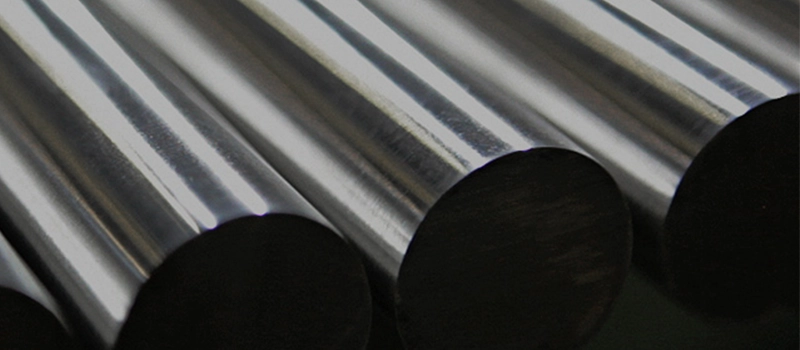
The defining feature of ferritic stainless steel is therefore its ferritic microstructure rather than a specific chemical formula. While different alloys within this family may vary in chromium content or minor alloying additions, they all share the same basic structural characteristic: a predominantly ferritic crystal structure. This structural property distinguishes ferritic stainless steels from austenitic stainless steels, which have a face-centered cubic structure, and martensitic stainless steels, which form a martensitic structure after heat treatment.
Another characteristic commonly associated with ferritic stainless steels is their magnetic behavior. Because the ferritic crystal structure supports ferromagnetism, these alloys typically respond to magnetic fields. This property is often used as a simple way to distinguish ferritic stainless steels from non-magnetic austenitic grades in practical situations.
In industrial classification systems, ferritic stainless steels are grouped together with austenitic, martensitic, and duplex stainless steels as the main structural families of stainless steel. Each family is defined primarily by its internal crystal structure and alloy composition, which together determine the material’s behavior in engineering applications.
In summary, ferritic stainless steel is defined by its ferritic microstructure, chromium-based composition, and magnetic characteristics. These metallurgical features form the foundation for understanding the material’s properties, performance, and role within the broader range of stainless steel alloys.
Chemical Composition and Microstructure of Ferritic Stainless Steel
The characteristics of ferritic stainless steels are primarily determined by their chemical composition and the resulting microstructure. These alloys are typically based on iron and chromium, with relatively low carbon content. By carefully controlling the balance of alloying elements, metallurgists ensure that the material maintains a stable ferritic phase at room temperature. This relationship between composition and structure is fundamental to understanding how this category of stainless steels behaves in engineering applications.
Role of Chromium in the Alloy
Chromium is the most important alloying element in this stainless steel family. In many ferritic grades, chromium content usually ranges from 10.5% to about 30%, depending on the specific alloy type. Chromium provides corrosion resistance by forming a thin chromium oxide passive layer on the surface of the material.
When the metal is exposed to oxygen, chromium reacts with the surrounding environment to form this protective oxide film. The passive layer acts as a barrier that slows the interaction between the metal and corrosive agents such as moisture or chemicals. Research published by the Nickel Institute explains that chromium is the key element responsible for corrosion resistance in stainless steels.
Low Carbon Content
Another defining characteristic of these alloys is their relatively low carbon content. Carbon levels are generally kept much lower than in some other stainless steel families. Maintaining low carbon content helps stabilize the ferritic structure and prevents the formation of unwanted phases during cooling.
Because of this low carbon level, these steels do not typically undergo the same hardening transformations seen in martensitic stainless steels. Instead, their properties remain largely determined by composition and processing rather than by heat treatment.
Additional Alloying Elements
In addition to chromium, small amounts of other elements may be included to modify the material’s properties.
For example, molybdenum can be added to improve corrosion resistance in certain environments. Titanium and niobium are sometimes used as stabilizing elements to control carbide formation and enhance structural stability. Silicon and manganese are often included during the steelmaking process to improve deoxidation and overall processing behavior.
These alloying additions help engineers adjust material performance while maintaining the ferritic structure that defines this stainless steel category.
Ferritic Microstructure
The microstructure of these alloys is dominated by ferrite, which has a body-centered cubic (BCC) crystal structure. This structure differs from the face-centered cubic arrangement found in austenitic stainless steels. The BCC structure influences several material characteristics, including magnetic behavior and mechanical response.
Materials science references from ASM International describe ferrite as a stable phase that remains present throughout the material at room temperature. Because of this structural stability, these steels maintain their ferritic microstructure under normal service conditions.
Ferrite Content and Phase Stability
The amount of ferrite present in stainless steels can influence mechanical and physical properties. In this group of alloys, the structure is typically predominantly ferritic, meaning that ferrite remains the dominant phase throughout the material.
In some stainless steels with more complex compositions, small amounts of other phases may appear. However, the alloy design ensures that the ferritic phase remains stable and continuous within the microstructure.
Relationship Between Composition and Structure
The interaction between chemical composition and microstructure determines how the material behaves during processing and service. By controlling chromium content, carbon levels, and additional alloying elements, metallurgists can maintain the ferritic phase while adjusting corrosion resistance, mechanical stability, and other performance characteristics.
In essence, the composition of these alloys is engineered specifically to preserve a ferritic microstructure. This structural foundation explains many of the physical and mechanical behaviors observed in this category of stainless steels.
Key Properties of Ferritic Stainless Steel
The performance characteristics of ferritic stainless steels are largely determined by their ferritic crystal structure and chromium-based composition. These materials are generally recognized for their magnetic behavior, good resistance to oxidation, and relatively stable performance at elevated temperatures. While their mechanical strength is typically lower than some other stainless steel families, they offer several advantages that make them suitable for many industrial applications.
Mechanical Strength and Hardness
In terms of mechanical behavior, these alloys usually exhibit moderate strength and hardness. Because the ferritic structure does not transform during heat treatment in the same way as martensitic steels, their mechanical properties are mainly determined by chemical composition and cold working processes.
Although they do not reach the high hardness levels associated with martensitic alloys, they still provide adequate mechanical strength for many structural and industrial components. The balance between strength and ductility allows the material to maintain stability under normal mechanical loads.
Magnetic Properties
A distinctive characteristic of ferritic stainless steels is their magnetic behavior. The body-centered cubic crystal structure of ferrite supports ferromagnetism, meaning these materials typically respond strongly to magnetic fields.
This property makes them easily distinguishable from many austenitic stainless steels, which are generally non-magnetic in the annealed state. In practical engineering environments, magnetic response is sometimes used as a quick method for identifying ferritic grades.
Thermal Conductivity and Thermal Expansion
Another notable feature of ferritic stainless steels is their thermal behavior. Compared with austenitic stainless steels, these alloys usually have higher thermal conductivity and lower thermal expansion coefficients. This means heat can move through the material more efficiently while dimensional changes caused by temperature fluctuations remain relatively limited.
These characteristics are particularly useful in applications where temperature variation is common, such as automotive exhaust systems or heat-related equipment.
Resistance to Oxidation at Elevated Temperatures
Many ferritic stainless steels demonstrate good resistance to oxidation at elevated temperatures. The chromium-rich oxide layer formed on the surface remains stable even when exposed to hot environments, helping protect the underlying metal from rapid degradation.
Because of this property, ferritic alloys are often used in components that operate under high-temperature conditions, such as exhaust systems or furnace parts.
Formability and Fabrication Characteristics
These alloys generally provide good formability and workability. They can be processed through rolling, bending, and forming operations used in common manufacturing processes. Their relatively low carbon content helps maintain structural stability during fabrication.
However, compared with austenitic stainless steels, ferritic grades may exhibit slightly lower ductility in some forming operations. Careful control of processing conditions can help ensure satisfactory fabrication results.
Common Ferritic Stainless Steel Grades
Several ferritic stainless steel grades have been developed to meet different industrial requirements. These alloys are mainly distinguished by their chromium content and the presence of stabilizing elements such as titanium or niobium. Compared with other stainless steel families, ferritic grades generally contain little or no nickel, which often makes them more cost-effective while still providing useful corrosion resistance and structural stability.
The table below summarizes several widely used ferritic grades and their typical characteristics.
| Grade | Typical Composition Characteristics | Key Features | Common Applications |
|---|---|---|---|
| 409 | Chromium about 10.5–11.7%, very low carbon | Good oxidation resistance at elevated temperatures | Automotive exhaust systems, structural components |
| 430 | Chromium about 16–18%, low carbon | Good corrosion resistance and formability | Kitchen equipment, decorative panels, household appliances |
| 434 | Chromium with molybdenum addition | Improved corrosion resistance compared with 430 | Automotive trim, outdoor equipment |
| 439 | Chromium with titanium stabilization | Improved weldability and corrosion resistance | Exhaust systems, heat exchangers |
| 441 | Chromium with titanium and niobium | Enhanced high-temperature oxidation resistance | Automotive components and industrial equipment |
| Super Ferritic Grades (e.g., 446) | Higher chromium content, sometimes above 23% | Excellent resistance to oxidation and high-temperature corrosion | Furnace components, heat-resistant equipment |
Among these alloys, type 430 is one of the most widely used ferritic stainless steels. Its relatively high chromium content provides moderate corrosion resistance, while the absence of nickel helps keep material costs relatively low. Because of these characteristics, it is commonly used in household appliances, decorative trim, and kitchen equipment.
Grades such as 409 and 439 are frequently used in the automotive industry, particularly for exhaust system components. Their resistance to oxidation at elevated temperatures allows them to perform effectively in environments where components are exposed to continuous heat and fluctuating operating conditions.
Higher chromium alloys, including certain super ferritic grades, are designed for more demanding environments where resistance to oxidation and corrosion at high temperatures is essential. These materials are often selected for industrial heating equipment and specialized high-temperature applications.
The availability of multiple grades demonstrates the versatility of ferritic stainless steels. By adjusting chromium content and adding stabilizing elements, manufacturers can produce alloys suitable for a wide variety of engineering and industrial uses.
Corrosion Resistance of Ferritic Stainless Steel
The corrosion resistance of ferritic stainless steel primarily comes from its chromium content. Like other stainless steels, these alloys form a thin chromium oxide passive film on the surface when exposed to oxygen. This protective layer slows down chemical reactions between the metal and its environment, helping the material resist oxidation and rust under many service conditions.
However, the corrosion performance of ferritic grades is generally considered moderate compared with some other stainless steel families. While their chromium content provides protection against oxidation and atmospheric corrosion, the absence of significant nickel content can limit their resistance in more aggressive chemical environments.
General Corrosion Behavior
In typical atmospheric environments, ferritic stainless steels show good resistance to rust and oxidation. The chromium-rich passive layer protects the surface from moisture and oxygen, allowing the material to maintain structural integrity during long-term exposure to air.
Because of this protective behavior, these alloys are often used in applications where components are exposed to outdoor conditions, humidity, or moderate industrial environments.
Resistance to Oxidation at Elevated Temperatures
Many ferritic grades demonstrate strong oxidation resistance at elevated temperatures. The stable oxide layer formed by chromium can remain protective even when the material is exposed to heat. This property makes ferritic stainless steels suitable for components that operate under high-temperature conditions, such as exhaust systems and heating equipment.
High-chromium ferritic alloys can maintain oxidation resistance in environments where temperature fluctuations are frequent.
Localized Corrosion Considerations
Although ferritic stainless steels resist general corrosion well, they may be more susceptible to certain forms of localized corrosion in environments containing chlorides or aggressive chemicals. Under these conditions, pitting or crevice corrosion may occur if the passive film becomes damaged.
Proper alloy selection, surface finishing, and maintenance practices can help reduce the risk of localized corrosion and extend the service life of components made from these materials.
Influence of Alloy Composition
Corrosion performance varies among different ferritic grades depending on chromium content and the presence of additional alloying elements. Higher chromium levels generally improve resistance to oxidation and corrosion. In some alloys, elements such as molybdenum may also be added to enhance resistance in more demanding environments.
By adjusting alloy composition, metallurgists can improve corrosion behavior while maintaining the ferritic microstructure that defines this stainless steel family.
Applications of Ferritic Stainless Steel
Because of their balanced properties, ferritic stainless steels are widely used in many industrial and consumer applications. Their combination of moderate corrosion resistance, magnetic behavior, good thermal conductivity, and relatively low cost makes them suitable for environments where extremely high corrosion resistance is not required but durability and reliability remain important.
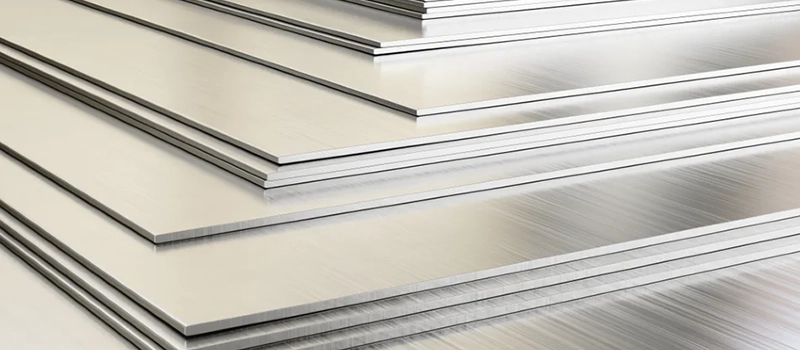
These materials are commonly produced in forms such as sheets, plates, tubes, pipes, and coils, which can then be fabricated into components for various industries.
Automotive Components
One of the most significant uses of ferritic stainless steels is in the automotive industry, particularly for exhaust system components. Parts such as exhaust manifolds, mufflers, and catalytic converter housings often operate under high temperatures and fluctuating environmental conditions.
Ferritic grades are well suited for these applications because they provide good oxidation resistance at elevated temperatures while maintaining structural stability. Their relatively low cost compared with nickel-containing stainless steels also makes them attractive for large-scale automotive production.
Household Appliances and Kitchen Equipment
Ferritic stainless steels are widely used in household appliances and kitchen equipment. Products such as washing machines, refrigerators, microwave ovens, and kitchen utensils often incorporate these alloys.
Their corrosion resistance, formability, and attractive surface finish make them suitable for visible components in consumer products. In cookware and kitchen equipment, ferritic grades also provide the benefit of magnetic properties, which allow them to work effectively with induction heating systems.
Industrial Equipment
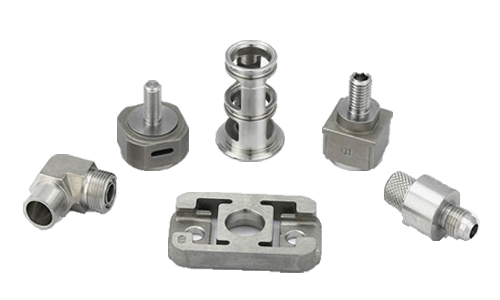
Many types of industrial equipment utilize ferritic stainless steels because of their durability and cost efficiency. Components such as storage tanks, piping systems, heat exchangers, and structural elements can be manufactured from ferritic alloys.
In environments where exposure to moisture, moderate chemicals, or temperature changes is expected, these steels offer reliable performance without the higher cost associated with nickel-containing alloys.
Architectural and Decorative Applications
Ferritic stainless steels are also used in architectural and decorative applications. Their surface appearance, combined with corrosion resistance in atmospheric environments, makes them suitable for building facades, trim components, and decorative panels.
These alloys can be polished or finished to achieve different visual effects, allowing architects and designers to incorporate stainless steel into structural and decorative elements of buildings.
Energy and Heating Systems
In certain cases, ferritic stainless steels are selected for energy and heating equipment that operates at elevated temperatures. Their resistance to oxidation and thermal stability allows them to maintain structural integrity under heat exposure.
Applications may include furnace components, heat-resistant panels, and equipment used in industrial heating processes.
Ferritic Stainless Steel vs Other Stainless Steels
Stainless steels are generally classified according to their metallurgical microstructure, which determines their mechanical properties, corrosion resistance, and fabrication behavior. The main families include austenitic, ferritic, martensitic, and duplex stainless steels. Each group has distinct structural characteristics that influence how the material performs in different engineering environments.
Understanding the differences between these stainless steel families helps engineers and manufacturers select the most suitable material for specific applications.
Ferritic vs Austenitic Stainless Steel
The primary difference between these two types lies in their crystal structure and alloy composition. Ferritic stainless steels have a body-centered cubic (BCC) structure, while austenitic stainless steels possess a face-centered cubic (FCC) structure.
Austenitic grades typically contain significant amounts of nickel, which stabilizes the austenitic structure and provides excellent corrosion resistance and ductility. Ferritic alloys, on the other hand, generally contain little or no nickel and rely mainly on chromium for corrosion resistance.
Another key distinction is magnetic behavior. Ferritic stainless steels are usually magnetic due to their crystal structure, whereas austenitic stainless steels are generally non-magnetic in their annealed condition.
In terms of mechanical properties, austenitic grades typically provide greater ductility and better performance in highly corrosive environments, while ferritic alloys often offer better thermal conductivity and lower thermal expansion.
Ferritic vs Martensitic Stainless Steel
Ferritic and martensitic stainless steels differ primarily in carbon content and heat treatment behavior. Martensitic stainless steels contain higher carbon levels and can be hardened through quenching and tempering. This transformation produces a martensitic structure that provides high hardness and strength.
Ferritic stainless steels, by contrast, contain lower carbon levels and do not undergo the same structural transformation during heat treatment. Their mechanical properties are therefore more stable but generally do not reach the high hardness levels of martensitic steels.
Because of this difference, martensitic alloys are commonly used for cutting tools and mechanical components, while ferritic grades are more often selected for structural parts and high-temperature applications.
Ferritic vs Duplex Stainless Steel
Duplex stainless steels contain a mixed microstructure of austenite and ferrite, combining characteristics of both stainless steel families. This dual-phase structure provides higher strength and improved corrosion resistance compared with many other stainless steels.
Ferritic alloys typically offer lower strength than duplex grades but may provide advantages in terms of cost and thermal performance. Duplex stainless steels are often used in demanding environments such as offshore engineering or chemical processing systems, where both strength and corrosion resistance are critical.
Advantages and Limitations of Ferritic Stainless Steel
Like other stainless steel families, ferritic stainless steels offer a combination of advantages and limitations that influence their selection in engineering and manufacturing applications. Their chromium-based composition and ferritic microstructure provide several practical benefits, but certain constraints must also be considered when selecting materials for demanding environments.
Advantages of Ferritic Stainless Steel
Cost Efficiency
One of the most significant advantages of ferritic stainless steels is their relatively low cost. Unlike austenitic stainless steels, which often contain significant amounts of nickel, ferritic grades generally rely primarily on chromium for corrosion resistance. Because nickel is an expensive alloying element, the absence of large nickel additions can make these materials more economical for large-scale industrial production.
Good Resistance to Oxidation
Ferritic stainless steels demonstrate good resistance to oxidation, especially at elevated temperatures. The chromium-rich oxide layer formed on the surface helps protect the metal from environmental exposure. This characteristic makes ferritic grades particularly suitable for components that operate in heated environments, such as automotive exhaust systems and industrial heating equipment.
Magnetic Properties
Another distinguishing advantage is their magnetic behavior. The body-centered cubic crystal structure supports ferromagnetism, meaning these alloys typically respond to magnetic fields. This property can be useful in certain industrial processes and in applications that require magnetic compatibility.
Stable Thermal Behavior
Ferritic stainless steels generally exhibit lower thermal expansion and higher thermal conductivity compared with many austenitic grades. These characteristics allow components to maintain dimensional stability when exposed to temperature changes, which is beneficial in applications involving repeated heating and cooling cycles.
Limitations of Ferritic Stainless Steel
Lower Ductility
Compared with austenitic stainless steels, ferritic grades generally have lower ductility. This means they may not deform as easily during certain forming processes. While they can still be fabricated through rolling and bending operations, more careful processing may be required for complex shapes.
Limited Strength Compared with Some Stainless Steels
Ferritic stainless steels typically offer moderate mechanical strength, but they cannot achieve the high hardness levels associated with martensitic stainless steels that are hardened through heat treatment. As a result, ferritic alloys are usually selected for structural or temperature-related applications rather than for cutting tools or high-wear components.
Sensitivity to Certain Welding Conditions
In some situations, ferritic stainless steels may require careful control during welding to maintain proper microstructure and mechanical properties. Improper welding conditions can influence grain growth or affect corrosion resistance. Appropriate welding procedures and material selection can help minimize these issues.
Conclusion
Ferritic stainless steel is a chromium-based stainless steel known for its ferritic microstructure, magnetic behavior, and stable performance in many industrial environments. Its combination of moderate corrosion resistance, good thermal properties, and cost efficiency makes it a practical material for automotive components, household appliances, and industrial equipment where durability and affordability are important.