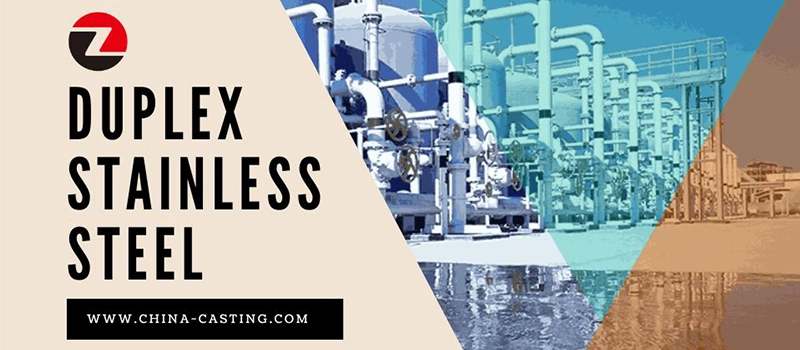
Duplex stainless steel is a unique category of stainless steel characterized by a dual-phase microstructure consisting of both austenite and ferrite. This combination of phases gives the material a balanced set of mechanical and corrosion-resistant properties that distinguish it from other stainless steel families. By integrating the advantages of both austenitic and ferritic structures, duplex stainless steels provide higher strength and improved resistance to certain forms of corrosion.
From a metallurgical perspective, the term duplex refers to the presence of two different crystal structures within the same alloy. In these steels, the microstructure typically contains roughly equal proportions of austenite and ferrite. Materials engineering references from ASM International explain that this dual-phase structure allows the material to achieve significantly higher strength than many conventional stainless steels while maintaining good resistance to corrosion.
Industry classifications from the World Stainless Association identify duplex alloys as one of the major stainless steel families alongside austenitic, ferritic, and martensitic types. Each group is defined primarily by its microstructure and alloy composition.
Understanding duplex stainless steel involves examining its composition, microstructure, properties, and common industrial uses. These factors explain why duplex stainless steels are widely applied in demanding environments such as chemical processing, offshore engineering, and marine equipment where both strength and corrosion resistance are critical.
What Is Duplex Stainless Steel
Duplex stainless steel refers to a family of stainless steels characterized by a dual-phase microstructure composed of both austenite and ferrite. The term “duplex” indicates that the material contains two distinct metallurgical phases in roughly balanced proportions, typically close to fifty percent austenite and fifty percent ferrite. This unique structural combination gives the material properties that differ significantly from those of other stainless steel families.
From a metallurgical standpoint, the two phases present in duplex stainless steels have different crystal structures. Austenite has a face-centered cubic (FCC) structure, while ferrite has a body-centered cubic (BCC) structure. By combining these two phases within the same alloy, duplex stainless steels achieve a balance between the characteristics of austenitic and ferritic materials. This structural arrangement forms the basis for many of the material’s mechanical and corrosion-related behaviors.
Another defining feature of duplex stainless steels is their chemical composition, which typically includes chromium, nickel, and molybdenum in carefully controlled proportions. These elements stabilize the dual-phase structure and contribute to the alloy’s resistance to corrosion and environmental degradation. The balance between alloying elements determines whether the microstructure remains stable during processing and service.
In stainless steel classification systems, duplex stainless steels are recognized as one of the major structural groups alongside austenitic, ferritic, and martensitic alloys. Each group is identified primarily by its dominant microstructure and alloy composition. While austenitic stainless steels are known for their ductility and corrosion resistance and martensitic steels for their hardness, duplex alloys occupy an intermediate position that combines features of multiple stainless steel types.
Because of this dual-phase structure, duplex stainless steels often exhibit characteristics that differ from conventional stainless steels. The coexistence of ferrite and austenite influences the material’s mechanical behavior, magnetic response, and resistance to certain types of corrosion. These structural features form the foundation for understanding how duplex stainless steels perform in engineering and industrial environments.
Chemical Composition and Microstructure of Duplex Stainless Steel
The distinctive characteristics of duplex stainless steels originate from the relationship between their chemical composition and their dual-phase microstructure. By carefully balancing alloying elements such as chromium, nickel, molybdenum, and nitrogen, metallurgists are able to maintain a stable mixture of ferrite and austenite within the same material. This balanced structure is the key factor that differentiates duplex alloys from other stainless steel families.
Role of Chromium
Chromium is the most important alloying element in this category of stainless steels. In many duplex grades, chromium content typically ranges between 20% and 28%. Chromium promotes the formation of a protective oxide layer on the metal surface, which helps protect the material from oxidation and chemical attack. Higher chromium levels also help stabilize the ferritic phase within the microstructure.
Because of this high chromium content, these alloys often demonstrate strong resistance to oxidation and environmental degradation in many industrial conditions.
Nickel and Phase Balance
Nickel plays an important role in stabilizing the austenitic phase within the microstructure. While chromium promotes ferrite formation, nickel helps maintain a sufficient proportion of austenite. Achieving the correct balance between these phases is critical for maintaining the mechanical and corrosion-resistant characteristics of the alloy.
In many duplex grades, nickel content is typically lower than that found in austenitic stainless steels. This reduced nickel requirement can help lower material cost while still maintaining a stable dual-phase structure.
Additional Alloying Elements
Several other alloying elements are commonly added to adjust the performance of duplex stainless steels.
- Molybdenum is often included to improve resistance to localized corrosion, particularly in environments containing chlorides.
- Nitrogen helps increase mechanical strength and also contributes to maintaining the balance between ferrite and austenite phases.
- Manganese and silicon may be present in smaller amounts to assist with steelmaking processes and improve overall alloy stability.
The combination of these elements determines how the alloy behaves during processing and in service environments.
Dual-Phase Microstructure
The microstructure of duplex stainless steels is characterized by a mixture of ferrite and austenite phases distributed throughout the material. Ideally, the microstructure contains roughly equal proportions of each phase. This balanced structure is responsible for many of the material’s unique properties.
Materials science references from ASM International explain that the presence of both phases allows the material to combine the favorable characteristics of each structure. Ferrite contributes strength and resistance to certain forms of corrosion, while austenite improves ductility and toughness.
Phase Stability and Metallurgical Considerations
Maintaining the proper phase balance is essential during manufacturing and heat treatment. If the proportion of ferrite or austenite becomes too high, the material’s performance may change significantly. For example, excessive ferrite can reduce toughness, while excessive austenite may lower strength.
Under certain conditions, other phases such as secondary austenite or sigma phase may form. These phases can influence mechanical properties and corrosion resistance, so processing conditions must be carefully controlled during production.
Relationship Between Composition and Structure
The interaction between alloy composition and microstructure determines the overall performance of the material. By adjusting the levels of chromium, nickel, molybdenum, and nitrogen, metallurgists can maintain the desired dual-phase structure while optimizing strength and corrosion resistance.
In essence, the chemical composition of duplex stainless steels is specifically engineered to maintain a stable mixture of ferrite and austenite, which forms the foundation for their unique mechanical and corrosion-related characteristics.
Key Properties of Duplex Stainless Steel
The performance characteristics of duplex stainless steels are largely determined by their dual-phase structure and alloy composition. By combining ferrite and austenite within the same material, these alloys achieve a balance of mechanical strength, corrosion resistance, and structural stability that differs from other stainless steel families. As a result, duplex grades are often selected for environments where both mechanical durability and resistance to aggressive conditions are required.
Mechanical Strength
One of the most notable characteristics of duplex stainless steels is their high mechanical strength. The presence of ferrite in the microstructure contributes significantly to strength, while the austenitic phase helps maintain ductility and toughness. Because of this structural combination, many duplex alloys exhibit yield strength levels roughly twice those of common austenitic stainless steels.
This higher strength allows engineers to design thinner components while maintaining structural reliability. In many industrial applications, this advantage can reduce material weight and improve overall efficiency.
Corrosion Resistance
Another important property of duplex stainless steels is their strong resistance to corrosion, particularly in environments containing chlorides. The alloy composition, which often includes chromium, molybdenum, and nitrogen, enhances resistance to localized corrosion mechanisms such as pitting and crevice corrosion.
Many duplex grades are therefore used in chemical processing, marine environments, and offshore structures where exposure to aggressive chemicals or saltwater is common.
Resistance to Stress Corrosion Cracking
Duplex alloys generally demonstrate improved resistance to stress corrosion cracking compared with many conventional stainless steels. Stress corrosion cracking can occur when a material is exposed to tensile stress in a corrosive environment, especially in chloride-containing solutions.
The ferritic phase present in duplex stainless steels helps reduce susceptibility to this form of degradation, which makes these alloys particularly valuable in environments where chloride exposure is unavoidable.
Magnetic Characteristics
Because duplex stainless steels contain a significant amount of ferrite, they usually exhibit partial magnetic behavior. While not as strongly magnetic as fully ferritic steels, these alloys typically show some magnetic response. This property can sometimes be used as a simple way to distinguish duplex materials from fully austenitic stainless steels.
Thermal Properties
Duplex alloys typically display thermal conductivity and thermal expansion values that fall between those of ferritic and austenitic stainless steels. This intermediate behavior contributes to dimensional stability in applications where temperature fluctuations occur.
Their balanced thermal characteristics allow them to perform effectively in industrial environments involving moderate temperature changes.
Common Duplex Stainless Steel Grades
Several duplex stainless steel grades have been developed to meet the needs of different industrial environments. These alloys vary mainly in their chromium, nickel, molybdenum, and nitrogen content, which influences their strength, corrosion resistance, and structural stability. Based on composition and performance, duplex stainless steels are commonly divided into several categories such as lean duplex, standard duplex, and super duplex grades.
The table below summarizes several widely used grades and their typical characteristics.
| Grade | UNS Designation | Key Alloy Characteristics | Typical Applications |
|---|---|---|---|
| 2101 (Lean Duplex) | UNS S32101 | Lower nickel content with nitrogen additions | Structural components, storage tanks, transportation equipment |
| 2304 Duplex | UNS S32304 | Balanced chromium and nickel composition | Chemical equipment, industrial piping |
| 2205 Duplex | UNS S31803 / S32205 | Chromium, molybdenum, and nitrogen additions for improved corrosion resistance | Offshore structures, chemical processing equipment |
| 2507 Super Duplex | UNS S32750 | Higher chromium, molybdenum, and nitrogen content | Marine engineering, desalination plants, oil and gas systems |
| Super Duplex (S32760) | UNS S32760 | Enhanced alloying elements for extreme environments | Offshore platforms, subsea pipelines |
Among these alloys, grade 2205 is one of the most widely used duplex stainless steels in industry. Its balanced composition provides excellent strength along with good resistance to corrosion in chloride-containing environments. Because of these characteristics, it is frequently used in piping systems, pressure vessels, and structural components for chemical and offshore applications.
Another important group is super duplex stainless steels, such as grade 2507. These alloys contain higher levels of chromium, molybdenum, and nitrogen compared with standard duplex grades. The increased alloying content significantly improves resistance to pitting and crevice corrosion in highly aggressive environments.
Lean duplex grades, such as 2101, are designed to reduce nickel content while maintaining adequate mechanical strength and corrosion resistance. These materials offer a cost-effective alternative in applications where extreme corrosion resistance is not required.
The wide range of available grades allows engineers to select alloys that provide the appropriate balance of strength, corrosion resistance, and cost efficiency for specific operating conditions.
Corrosion Resistance of Duplex Stainless Steel
Corrosion resistance is one of the most important characteristics of duplex stainless steel. The alloy composition, particularly the high levels of chromium, molybdenum, and nitrogen, allows these materials to perform well in many aggressive environments. Because of this composition, duplex grades are widely used in industries such as chemical processing, offshore engineering, and marine equipment where exposure to corrosive substances is common.
General Corrosion Behavior
In many industrial environments, duplex stainless steels demonstrate excellent resistance to general corrosion. The chromium-rich oxide layer formed on the surface acts as a protective barrier, preventing oxygen, moisture, and chemicals from reacting directly with the metal. This passive film helps maintain the structural integrity of the material over long periods of service.
The presence of molybdenum further improves resistance to corrosion, particularly in environments containing chlorides. As a result, duplex alloys are frequently used in applications involving seawater or chemical processing systems.
Resistance to Pitting and Crevice Corrosion
One of the advantages of duplex stainless steels is their strong resistance to localized corrosion, including pitting and crevice corrosion. These forms of corrosion typically occur in environments where chloride ions are present, such as seawater or industrial chemical solutions.
To evaluate resistance to localized corrosion, engineers often use the Pitting Resistance Equivalent Number (PREN). This value is calculated from the alloy composition, mainly the chromium, molybdenum, and nitrogen content. Higher PREN values generally indicate stronger resistance to pitting corrosion.
Super duplex grades usually have higher PREN values than standard duplex alloys, which allows them to perform reliably in more aggressive environments.
Stress Corrosion Cracking Resistance
Duplex stainless steels also demonstrate improved resistance to stress corrosion cracking compared with many conventional stainless steels. Stress corrosion cracking occurs when tensile stress and corrosive environments act simultaneously on a material.
The presence of ferrite in the microstructure significantly reduces susceptibility to this type of corrosion, particularly in chloride-containing environments. Because of this characteristic, duplex alloys are commonly used in equipment exposed to seawater or chemical processing conditions.
Influence of Alloy Composition
The corrosion resistance of duplex stainless steels depends largely on their chemical composition. Higher chromium and molybdenum content improves resistance to oxidation and localized corrosion, while nitrogen enhances both strength and corrosion performance.
By carefully adjusting these alloying elements, metallurgists can produce materials that perform reliably in environments where conventional stainless steels may not provide adequate corrosion protection.
Applications of Duplex Stainless Steel
Because of their combination of high mechanical strength and strong corrosion resistance, duplex stainless steels are widely used in industries where materials must perform reliably in aggressive environments. Their balanced properties allow them to replace conventional stainless steels in many applications that require improved durability and structural stability.
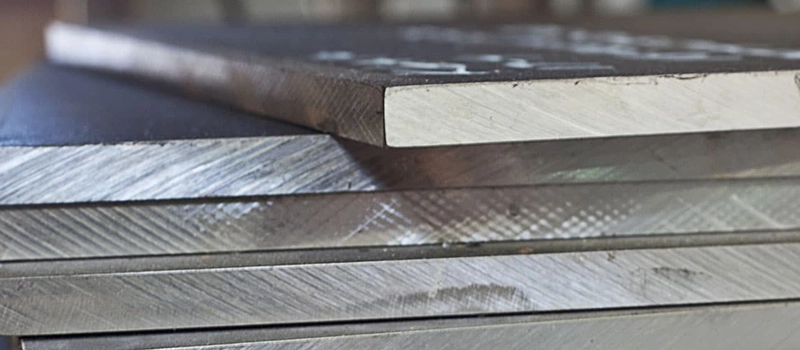
These alloys are commonly produced in forms such as plates, pipes, tubes, bars, and fittings, which are then used in equipment and structures exposed to demanding operating conditions.
Oil and Gas Industry
One of the most important application areas for duplex stainless steels is the oil and gas industry. Equipment used in offshore platforms and subsea systems is frequently exposed to seawater, high pressure, and corrosive chemicals.
Duplex alloys are commonly used for pipelines, pressure vessels, pumps, and valves in offshore and subsea installations. Their high strength allows for thinner wall thickness in pipes and structural components, which can reduce overall weight and material costs in large engineering projects.
Chemical Processing Equipment
Another major application area is the chemical processing industry, where equipment must resist corrosion from acids, chlorides, and other aggressive chemicals. Duplex stainless steels are often used for heat exchangers, reactors, storage tanks, and process piping systems.
Their resistance to localized corrosion and stress corrosion cracking helps ensure long service life in chemical production facilities.
Marine and Offshore Engineering
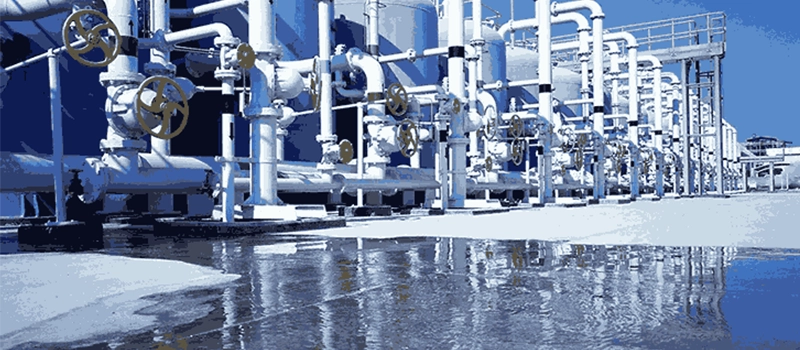
Marine environments present significant challenges for metallic materials due to constant exposure to saltwater and humidity. Duplex alloys provide strong resistance to corrosion in seawater conditions, making them suitable for ship components, seawater piping systems, and desalination plants.
Because of their durability and corrosion resistance, these materials are frequently used in offshore platforms and coastal infrastructure.
Industrial Equipment and Mechanical Components
Duplex stainless steels are also used in industrial machinery and mechanical systems where both strength and corrosion resistance are required. Components such as fasteners, pump shafts, valves, and pressure equipment may be manufactured from these alloys.
The high yield strength of duplex materials allows components to withstand mechanical loads while maintaining resistance to environmental degradation.
Desalination and Water Treatment Systems
In water treatment and desalination facilities, equipment often operates in environments containing high concentrations of chlorides. Duplex stainless steels are widely used for piping systems, heat exchangers, and storage tanks in these installations.
Their resistance to chloride-induced corrosion makes them suitable for long-term service in water processing systems.
Duplex Stainless Steel vs Other Stainless Steels
Stainless steels are commonly classified according to their microstructure and alloy composition. The major stainless steel families include austenitic, ferritic, martensitic, and duplex stainless steels. Each category has distinct mechanical properties, corrosion resistance, and typical industrial applications. Understanding these differences helps engineers select the appropriate material for specific operating environments.
Duplex vs Austenitic Stainless Steel
One of the most common comparisons is between duplex and austenitic stainless steels. Austenitic alloys are known for their excellent corrosion resistance and high ductility. However, duplex stainless steels generally provide significantly higher yield strength, often about twice that of typical austenitic grades such as 304 or 316.
In addition, duplex alloys tend to show better resistance to stress corrosion cracking, particularly in chloride-containing environments. Austenitic stainless steels, on the other hand, usually offer superior formability and easier fabrication.
Another difference involves magnetic behavior. Austenitic stainless steels are generally non-magnetic in their annealed condition, while duplex alloys often display partial magnetic properties because of the ferritic phase in their microstructure.
Duplex vs Ferritic Stainless Steel
Ferritic stainless steels contain a single ferritic phase and are typically chromium-based alloys with little or no nickel. These materials are known for good oxidation resistance and relatively low cost.
Compared with ferritic steels, duplex alloys usually offer higher strength and improved corrosion resistance due to their dual-phase structure and additional alloying elements such as molybdenum and nitrogen. However, ferritic grades may provide advantages in applications where cost efficiency and high-temperature oxidation resistance are primary considerations.
Duplex vs Martensitic Stainless Steel
Martensitic stainless steels are characterized by their ability to be hardened through heat treatment, allowing them to achieve high hardness and wear resistance. These alloys are commonly used in cutting tools and mechanical components that require strong resistance to abrasion.
In contrast, duplex stainless steels are designed to provide a balanced combination of strength, toughness, and corrosion resistance rather than maximum hardness. While martensitic steels may outperform duplex alloys in terms of hardness, duplex grades typically offer better corrosion resistance and structural stability in corrosive environments.
Advantages and Limitations of Duplex Stainless Steel
Like all engineering materials, duplex stainless steel offers a combination of advantages and limitations that influence its selection in industrial applications. Its dual-phase microstructure provides a balance of strength and corrosion resistance, but certain processing and design considerations must also be taken into account.
Advantages
High Mechanical Strength
One of the most significant advantages of duplex alloys is their high yield strength. The presence of ferrite in the microstructure increases structural strength, while the austenitic phase maintains ductility and toughness. Because of this combination, many duplex grades provide approximately twice the yield strength of common austenitic stainless steels. This higher strength allows engineers to design thinner sections and reduce material weight in structural components.
Excellent Corrosion Resistance
Another key advantage is strong resistance to corrosion, particularly in environments containing chlorides. The alloy composition, which typically includes chromium, molybdenum, and nitrogen, improves resistance to pitting and crevice corrosion. This makes duplex alloys suitable for marine environments, chemical processing systems, and offshore equipment where corrosion resistance is essential.
Good Resistance to Stress Corrosion Cracking
Duplex alloys are also known for their improved resistance to stress corrosion cracking, a failure mechanism that can occur in chloride-containing environments under tensile stress. The ferritic phase in the microstructure significantly reduces susceptibility to this form of corrosion compared with many conventional stainless steels.
Cost Efficiency Compared with High-Nickel Alloys
Because duplex grades usually contain lower nickel content than many austenitic stainless steels, they can offer economic advantages in certain applications. The combination of lower nickel usage and higher strength may reduce both raw material costs and the amount of material required for structural components.
Limitations
More Complex Fabrication Requirements
Compared with many conventional stainless steels, duplex alloys often require more careful control during fabrication. Processes such as welding, forming, and machining must be performed with attention to temperature and processing conditions to maintain the correct phase balance in the microstructure.
Limited Temperature Range
Duplex stainless steels typically perform best within a moderate temperature range. Exposure to very high temperatures for extended periods may cause changes in microstructure, including the formation of undesirable phases that can affect toughness and corrosion resistance.
Reduced Formability Compared with Austenitic Grades
Although these alloys maintain good mechanical strength, their formability is generally lower than that of austenitic stainless steels. This means that more complex forming operations may require specialized processing techniques.
Conclusion
Duplex stainless steel is a stainless steel family characterized by a balanced microstructure of austenite and ferrite. This structure provides a combination of high mechanical strength and strong corrosion resistance, making the material suitable for demanding industrial environments such as offshore engineering, chemical processing, and marine systems.