Are you struggling with surface defects, part sticking, or inconsistent finishes in your die castings? Do your molds wear out faster than expected, or are your parts failing final QC checks? These quality issues often trace back to one overlooked factor: improper die casting lubricants.
“Inconsistent or inappropriate lubricant application is one of the leading causes of casting defects and premature tool failure,” says a 2023 technical bulletin from the North American Die Casting Association (NADCA). “Proper lubrication is not only a maintenance step—it is a critical process parameter.”
If your parts aren’t meeting standards, chances are your die isn’t being protected—or released—properly. By understanding the science and process of die casting lubrication, you can directly enhance surface quality, dimensional accuracy, and tooling life.
Why Die Casting Lubrication Is a Critical Process Parameter
Die casting lubricants play a central role in the die casting process, influencing part release, surface stability, and overall casting quality. By forming a controlled barrier between molten metal and the die surface, die casting lubricants help regulate heat, reduce adhesion, and support consistent cavity filling.
A uniform layer of die casting lubricants minimizes sticking, stabilizes die temperature, and promotes reliable ejection. This reduces common casting defects such as porosity, cold shuts, and surface blemishes, while maintaining steady cycle times.
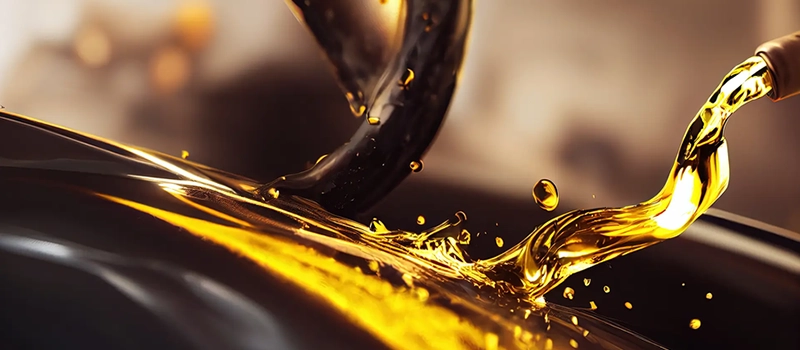
Die casting lubricants also protect the die from thermal shock, soldering, and wear. This preservation of the die surface helps maintain dimensional accuracy and extends tool life across repeated production cycles.
Through controlled use of die casting lubricants, manufacturers achieve better surface quality, reduced defect rates, and improved process consistency. Lubrication therefore functions as a key process parameter in high‑pressure die casting, directly shaping the quality of metal parts.
How Lubrication Affects Surface Finish, Precision, and Defect Rates
Lubrication and Surface Quality
Die casting lubricants influence the final appearance and accuracy of metal parts from the moment molten metal enters the cavity. The lubricant film controls how heat transfers through the die surface, allowing the metal to solidify at a stable rate. When the thermal balance is consistent, the part surface becomes smoother and more uniform.
A stable layer of die casting lubricants also reduces friction during ejection, preventing drag marks and deformation. This supports better dimensional precision and lowers the chance of distortion as the part leaves the die.
Lubrication and Defect Prevention
Defect rates are closely tied to lubrication quality. Inadequate lubrication can cause soldering, cold shuts, or localized overheating. Excessive lubrication can introduce gas entrapment, surface stains, or blistering. These defects increase part rejection rates and create variations in surface appearance.
Consistent use of well-formulated die casting lubricants helps maintain predictable heat flow, clean release behavior, and uniform solidification. This directly improves surface finish, dimensional reliability, and overall casting stability.
The Properties of a High-Quality Die Casting Lubricant
Thermal Stability and Clean Evaporation
High-quality die casting lubricants must perform under extreme temperatures without breaking down or leaving harmful residue. Thermal stability ensures that the lubricant evaporates cleanly during each cycle, avoiding buildup that can disrupt metal flow or damage the die surface. A stable formulation maintains release performance while supporting efficient heat transfer.
Coverage, Viscosity, and Residue Control
Effective lubricants must spread evenly across complex die surfaces. Good wettability allows a thin, uniform film to form, reducing the chance of dry spots or pooling. Proper viscosity is also essential; if too thick, it may not atomize, and if too thin, it may run off before protecting the surface.
Residue control is another key factor. Excess buildup from low-quality lubricants can reduce casting precision and increase cleaning frequency. Clean-burning lubricants help maintain both surface quality and process efficiency.
Selecting lubricants with these characteristics supports consistent part quality, tool protection, and stable production outcomes.
Common Lubrication Errors That Destroy Casting Quality
Over-Lubrication and Its Effects
Applying too much die casting lubricant can introduce several issues. Excess lubricant may create steam or gas pockets during metal injection, leading to porosity, blistering, or trapped air defects. It can also leave residue on the die, disrupting heat transfer and causing flow marks or surface stains on the finished part.
Under-Lubrication and Die Damage
Insufficient lubrication increases friction between the molten metal and the die surface. This raises the risk of soldering, sticking, and tearing during ejection. Over time, it accelerates thermal fatigue and mechanical wear on the die, reducing tool life and dimensional accuracy.
Inconsistent Application and Process Variation
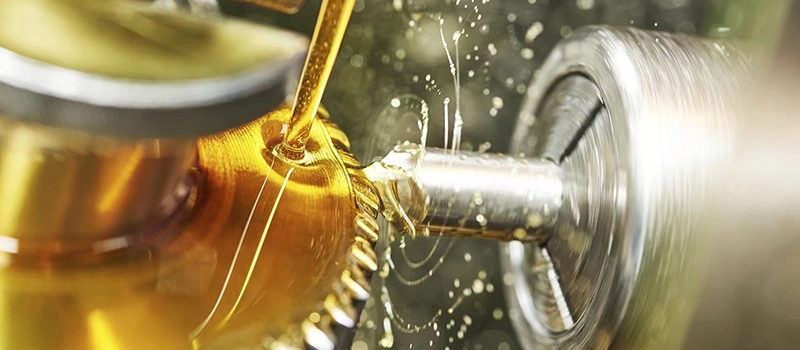
Uneven application leads to localized defects. Dry areas may cause poor release or incomplete fills, while saturated zones can lead to thermal imbalance and cooling issues. These inconsistencies result in variations in part quality across cycles, making the process less predictable.
Mismatched Lubricant Selection
Using a lubricant that is not suited to the specific alloy or die temperature can compromise performance. The wrong formulation may fail to provide adequate release, evaporate too slowly, or leave unwanted residue. This mismatch introduces variability and increases the likelihood of defects.
Avoiding these errors requires correct spray volume, timing, and concentration. Proper training and regular process checks help ensure die casting lubricants are applied consistently and effectively.
Lubrication Best Practices for Consistent Casting Quality
Preheating and Timing
Before lubricant is applied, the die must be heated to a stable operating temperature. If the die is too cold, the lubricant may not spread evenly or evaporate properly. If it is too hot, the lubricant may vaporize instantly without forming a protective film. Applying lubricant at the right moment in the cycle ensures both coverage and performance.
Spray Coverage and Technique
Uniform application across all critical surfaces, including the cavity, core pins, and slides, is essential. The spray should be angled to avoid shadowed areas and adjusted to prevent pooling. Consistent spray patterns help maintain surface quality and reduce defects caused by uneven lubrication.

Dilution and Concentration Control
Many die casting lubricants are water-based and require dilution before use. The correct concentration must be maintained to ensure effective release and minimal residue. Too much water reduces performance, while too little increases buildup. Regular monitoring of the mix ratio helps keep the process stable.
Compatibility with Process Requirements
Each lubricant must match the specific alloy, die temperature, and casting speed used in production. Lubricants should be selected based on their ability to provide effective release under those conditions. Using a formulation that aligns with process demands improves consistency and reduces quality issues.
These best practices support stable lubrication performance, leading to improved surface finish, reduced defect rates, and longer tool life. Proper control of die casting lubricants is essential for repeatable, high-quality results.
How Die Casting Lubricants Extend Tooling Life
Reduction of Thermal and Mechanical Stress
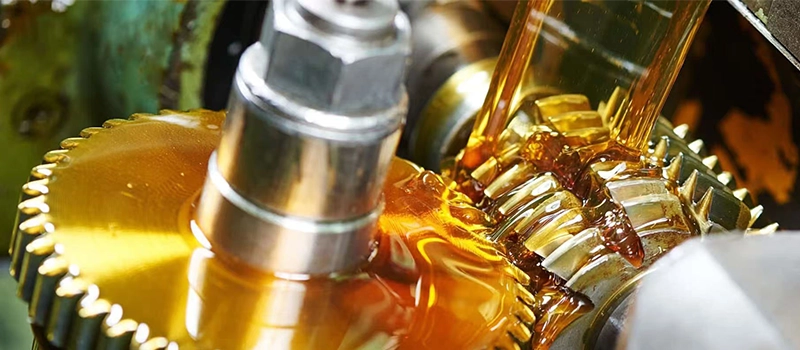
Die casting lubricants serve as a protective layer between the molten metal and the die surface. Each casting cycle subjects the die to rapid heating and cooling, which creates thermal fatigue and mechanical stress. Without lubrication, direct contact accelerates die wear and increases the chance of cracking or surface degradation. By controlling heat transfer and reducing friction, lubricants stabilize the die’s operating temperature and lower the risk of sudden thermal shock.
Prevention of Soldering and Surface Damage
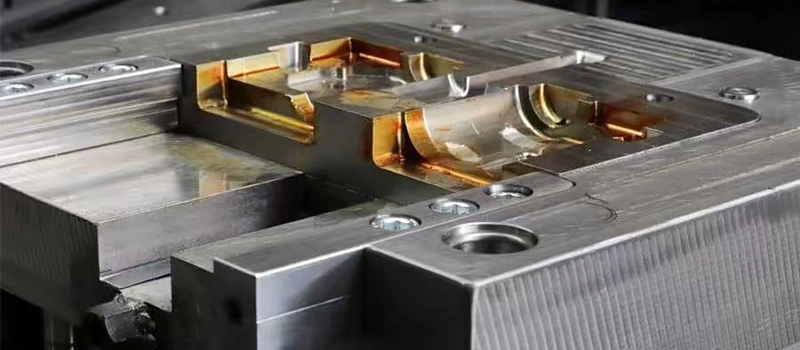
Soldering occurs when molten metal adheres to unprotected areas of the die, often due to insufficient lubrication. This not only damages the cavity surface but also results in defective parts. Over time, soldering can alter cavity dimensions, reduce part accuracy, and require manual cleaning or surface rework. Lubricants prevent soldering by forming a consistent barrier that blocks direct metal-to-steel contact, especially in high-temperature zones and complex geometries.
Control of Erosion and Chemical Attack
High-pressure molten metal can erode sharp edges, thin walls, and core pins if not properly protected. Lubricants reduce the impact force of the metal on these vulnerable areas. In some alloys, especially those containing aggressive elements, chemical attack on the die surface can occur. Lubricants act as a shield, minimizing direct exposure and slowing the rate of corrosion or pitting in sensitive regions.
Maintenance of Surface Condition
A clean, well-lubricated die maintains its surface finish and dimensional integrity over time. Lubricants that evaporate cleanly without leaving carbon deposits help reduce buildup, which would otherwise affect the accuracy and appearance of the cast parts. Regular, controlled lubrication reduces the frequency of die polishing, cleaning, or repair, keeping production interruptions to a minimum.
Extended Service Life and Cost Efficiency
By reducing wear, thermal stress, soldering, and cleaning cycles, effective die casting lubrication extends the usable life of tooling. This results in fewer tool changes, less downtime, and lower maintenance costs. In high-volume production, even small improvements in tool life can lead to significant long-term savings and more consistent part quality.
Proper lubrication is not just about protecting individual parts; it is a long-term strategy for preserving die performance and maximizing productivity across casting operations.
Conclusion: Good Lubricants Ensure Better Casting Quality
In die casting, the consistent use of well-formulated lubricants is essential to achieving stable and defect-free production. From regulating heat transfer to ensuring smooth part release, die casting lubricants influence every stage of the process.
When applied correctly, they reduce wear on tooling, improve surface finish, and help maintain dimensional accuracy. Improper use, on the other hand, leads to common casting problems such as porosity, soldering, and ejection failure.
By treating lubrication as a controlled process parameter, manufacturers can enhance part quality, reduce scrap rates, and maintain long-term efficiency in die casting operations.