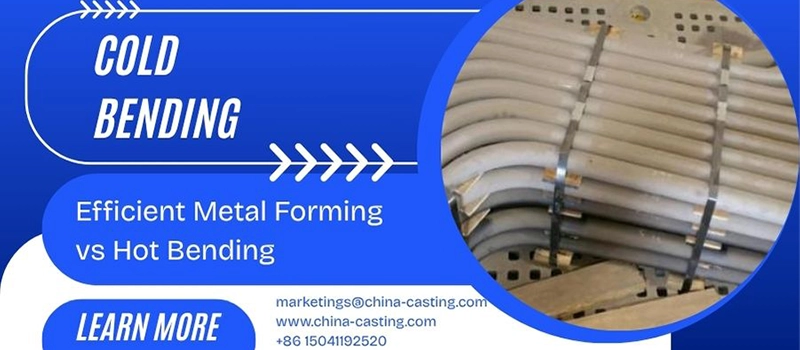
Cold bending is a metal forming process in which materials such as steel, aluminum, or pipes are shaped at room temperature without the use of heat. By applying controlled mechanical force, manufacturers can bend metal into specific angles or curves while maintaining its original strength and structural integrity.
Compared with thermal forming methods, cold bending offers higher precision, lower energy consumption, and better surface quality. It is widely used in industries such as construction, pipeline engineering, and machinery manufacturing, especially for applications requiring consistent dimensions and reliable performance.
Understanding how cold bending works, what materials are suitable, and how it differs from hot bending is essential for achieving both cost efficiency and product quality.
What Is Cold Bending
Cold bending is a forming process in which metal is shaped at room temperature by applying external mechanical force, without the use of heat. In this method, materials such as steel, aluminum, or other alloys are bent into a desired angle or curvature while remaining in a solid state throughout the process. The absence of heating distinguishes cold bending from other forming techniques and defines its fundamental characteristics.
At its core, cold bending relies on the controlled application of force to exceed the material’s yield strength. When stress is applied to a metal, it first undergoes elastic deformation, meaning it can return to its original shape once the force is removed. As the applied force increases beyond a certain threshold, the material enters the plastic deformation stage. In this stage, the internal structure of the metal adjusts permanently, allowing it to retain the new shape after the load is released. This transition from elastic to plastic behavior is the essential mechanism behind cold bending.
During cold bending, different areas of the material experience different types of stress. The outer surface of the bend is subjected to tensile stress and tends to elongate, while the inner surface experiences compressive stress and becomes slightly compacted. Between these two zones lies a neutral axis, where the material undergoes minimal length change. Understanding this stress distribution is critical for controlling deformation and avoiding defects such as cracking or distortion.
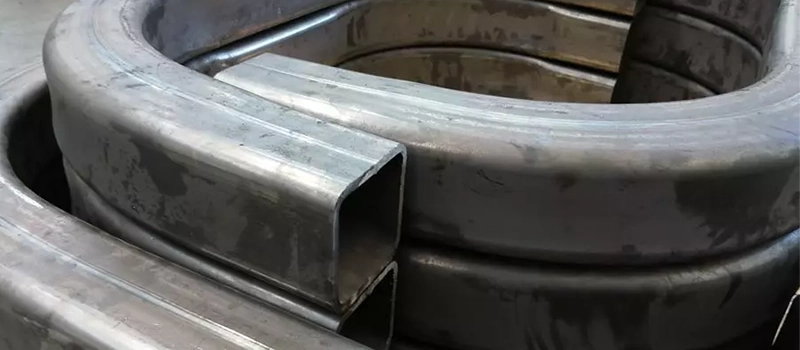
Another defining feature of cold bending is that the process occurs entirely below the material’s recrystallization temperature. Because of this, there is no phase transformation within the metal structure. Instead, the deformation introduces dislocations within the crystal lattice, which can lead to an increase in strength and hardness. This phenomenon is commonly referred to as work hardening and is an inherent characteristic of cold bending.
The geometry achieved through cold bending depends on several fundamental factors, including the applied force, the bending radius, the thickness of the material, and its mechanical properties. These parameters determine how the material responds to stress and how accurately the final shape can be controlled. For this reason, cold bending is often described as a highly controllable forming method, provided that these variables are properly understood and managed.
In essence, cold bending is defined not only by the absence of heat but also by its reliance on precise mechanical deformation. It represents a balance between force, material behavior, and geometric control, forming the foundation for a wide range of metal shaping operations.
Cold Bending Process and Procedure
The cold bending process refers to a series of controlled mechanical operations used to reshape metal at room temperature. Unlike simple deformation, cold bending follows a structured procedure to ensure dimensional accuracy, consistency, and material integrity. Each stage of the process is designed to manage how force is applied and how the material responds during deformation.
Preparation of Material and Design Parameters
Before the cold bending process begins, the material must be carefully prepared and evaluated. This includes verifying dimensions, surface condition, and mechanical properties such as yield strength and ductility. Any surface defects, such as cracks or inclusions, can significantly affect the bending outcome and must be addressed in advance.
At the same time, key design parameters are determined. These include the bending angle, bending radius, and tolerance requirements. The relationship between material thickness and bending radius is especially critical, as it directly influences the risk of deformation defects. A smaller radius increases the likelihood of stress concentration, while a larger radius provides smoother deformation.
In addition, compensation factors such as expected elastic recovery must be considered. Since metals tend to partially return to their original shape after force is removed, the initial bending angle is often adjusted slightly beyond the target value to achieve the correct final geometry.
Application of Mechanical Force
The central stage of the cold bending process is the application of mechanical force. This force can be delivered through various methods, including pressing, rolling, or drawing, depending on the geometry of the part. Regardless of the method used, the objective is to apply force gradually and uniformly to avoid localized stress concentration.
During this stage, the material transitions from elastic deformation to plastic deformation. The force must be sufficient to exceed the yield strength but controlled enough to prevent sudden failure. The distribution of force plays a critical role in determining the final shape and structural integrity of the bent component.
Proper alignment of the material is also essential. Misalignment can lead to uneven deformation, resulting in dimensional inaccuracies or internal stress imbalances. For this reason, positioning systems and guides are often used to ensure that the material remains stable throughout the process.
Control of Bending Radius and Angle
Accurate control of bending radius and angle is a defining aspect of the cold bending procedure. The bending radius determines how sharply the material is curved, while the angle defines the overall geometry of the bend. Both must be controlled within specified tolerances to meet design requirements.
During deformation, the outer surface of the material stretches while the inner surface compresses. If the radius is too small relative to the material thickness, excessive tensile stress may cause cracking on the outer surface. Conversely, insufficient control may lead to flattening or distortion.
To achieve precision, the bending process often incorporates measurement and adjustment steps. These may include incremental bending, where the material is gradually formed in stages, allowing for corrections along the way. This approach improves accuracy and reduces the risk of defects.
Springback Adjustment and Final Correction
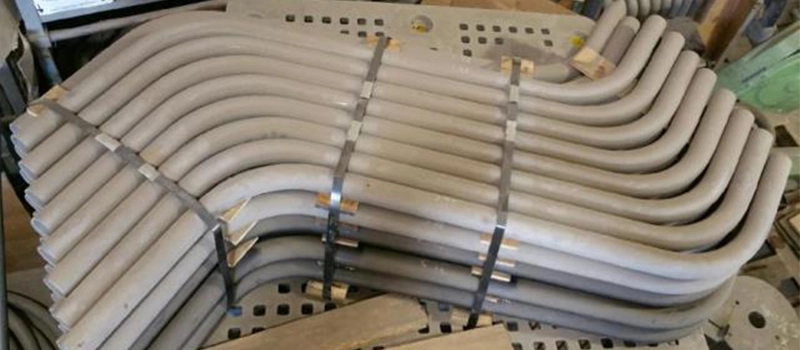
One of the most important aspects of the cold bending process is managing springback. After the external force is removed, the material tends to recover elastically, causing a slight reduction in the bending angle. This behavior is inherent in all cold bending operations and must be accounted for during the process.
To compensate for springback, operators typically apply an overbending strategy. This means bending the material slightly beyond the desired angle so that, after recovery, it settles into the correct final shape. The amount of compensation depends on factors such as material type, thickness, and bending radius.
Final correction may also involve minor adjustments to ensure dimensional accuracy. These adjustments are carefully controlled to avoid introducing additional stress or deformation.
Inspection and Quality Verification
After the bending process is completed, the component undergoes inspection to verify that it meets the required specifications. This includes checking dimensions, angles, and surface conditions. Any deviation from the design parameters must be identified and corrected if possible.
Quality verification also ensures that no structural defects have occurred during the process. Even though cold bending does not involve heat, improper force application or incorrect parameter selection can still lead to issues such as micro-cracks or uneven deformation.
Through systematic inspection, the reliability and consistency of the cold bending process can be maintained, ensuring that each component performs as intended in its final application.
Cold Bending Materials
The selection of materials is a critical factor in determining the success and performance of any cold bending operation. Different metals respond differently to mechanical deformation at room temperature, and understanding their behavior is essential for achieving accurate and defect-free results. The suitability of a material for cold bending largely depends on its ductility, yield strength, and internal structure.
Steel in Cold Bending
Steel is one of the most commonly used materials in cold bending due to its balanced mechanical properties and wide availability. Carbon steel, in particular, offers good ductility, making it suitable for a variety of bending applications. During cold bending, steel can undergo plastic deformation without immediate failure, provided that the bending radius and force are properly controlled.
Cold rolled steel is often preferred when higher dimensional accuracy and better surface finish are required. However, compared to hot rolled steel, it typically has higher strength and lower ductility, which means it may require greater force during bending. This also increases the likelihood of springback, making precise control more important.
In addition, high-strength steels present unique challenges in cold bending. While they provide superior mechanical performance, their reduced formability increases the risk of cracking, especially when tight bending radii are involved. Proper parameter control becomes essential when working with such materials.
Aluminum in Cold Bending
Aluminum is widely used in cold bending due to its excellent ductility and lightweight properties. Compared to steel, aluminum requires less force to deform, making it easier to bend into complex shapes. This characteristic makes it particularly suitable for applications where weight reduction and flexibility are important.
However, aluminum alloys vary significantly in their bending performance. Some alloys offer high strength but reduced ductility, which can limit their suitability for tight bends. Others are more formable but may not provide the same structural strength. Therefore, selecting the correct alloy is essential for achieving the desired balance between formability and performance.
Another important factor when cold bending aluminum is its sensitivity to surface damage. Because aluminum is softer than steel, improper handling or tooling can lead to scratches or marks on the surface. Careful process control is required to maintain surface quality.
Titanium in Cold Bending
Titanium is a high-performance material that can also be used in cold bending, although it presents more challenges compared to steel and aluminum. It has a high strength-to-weight ratio and excellent corrosion resistance, but its lower ductility at room temperature makes deformation more difficult.
During cold bending, titanium requires higher force and more precise control to prevent cracking or structural damage. The material’s resistance to deformation means that even small deviations in process parameters can lead to defects. As a result, bending titanium often demands stricter control of bending radius and deformation rate.
Despite these challenges, titanium remains an important material in applications where performance requirements are critical. Its behavior in cold bending highlights the importance of understanding material-specific characteristics before selecting a forming method.
Key Material Factors Affecting Cold Bending
Regardless of the specific material, several fundamental properties influence the outcome of cold bending. Ductility determines how much deformation a material can undergo before failure. Yield strength defines the level of force required to initiate permanent deformation. Thickness affects stress distribution during bending, while internal structure influences how the material responds to applied force.
These factors must be evaluated together rather than individually. A material with high strength but low ductility may require adjustments in bending radius or force application. Similarly, a more ductile material may allow tighter bends but could introduce other challenges such as surface deformation.
Understanding these material characteristics provides the necessary foundation for selecting the right approach in cold bending and ensuring consistent, high-quality results.
Cold Bending Pipe and Pipeline Applications
In modern industrial systems, cold bending plays a crucial role in the forming of pipes and pipelines. This method is widely used to create smooth directional changes in piping systems without the need for welding joints or additional fittings. By bending pipes directly, manufacturers can achieve continuous flow paths, which significantly improves structural integrity and operational efficiency.
Cold Bending Pipe in Industrial Systems
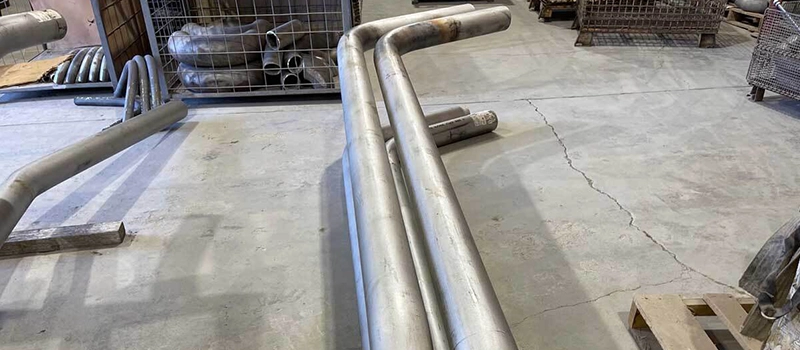
Cold bending pipe is commonly applied in industries where fluid or gas transportation is essential. Instead of cutting and welding multiple pipe sections to create angles, cold bending allows a single pipe to be formed into the required shape. This reduces the number of connection points, which are often the weakest parts of a pipeline system.
In applications such as infrastructure construction and mechanical systems, fewer welds mean lower risks of leakage and reduced maintenance requirements. The continuity of the pipe also improves flow efficiency by minimizing turbulence, which can occur at joint interfaces.
Another advantage of cold bending pipe is its ability to maintain wall thickness more consistently compared to some alternative forming methods. With proper control, deformation is distributed evenly, preserving the structural reliability of the pipe under pressure.
Cold Bending Pipeline in Large-Scale Projects
In large-scale engineering projects, such as long-distance transportation systems, cold bending pipeline techniques are essential for adapting pipelines to natural terrain. Instead of relying solely on prefabricated fittings, pipelines can be bent on-site to follow curves, slopes, and elevation changes.
This flexibility allows engineers to design more efficient routes while reducing the need for additional components. It also simplifies installation, as pipes can be adjusted directly during construction rather than requiring complex assembly processes.
Cold bending pipeline methods are particularly valuable in environments where precision alignment is required. By controlling the bending angle and radius, pipelines can be positioned accurately without introducing excessive stress or deformation.
Cold Tube Bending and Structural Accuracy
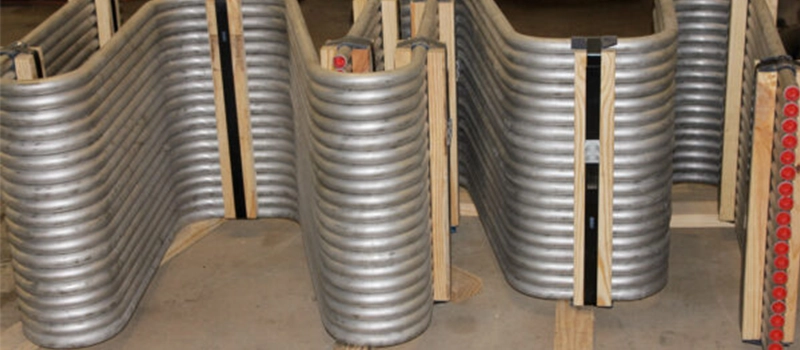
Cold tube bending is another important application within this category, especially for smaller-diameter tubes used in machinery, automotive systems, and structural frameworks. In these cases, dimensional accuracy and repeatability are critical.
Cold tube bending enables manufacturers to produce consistent shapes with tight tolerances. This is especially important when tubes must fit precisely within assemblies or connect seamlessly with other components. The ability to control curvature and alignment ensures that the final product meets strict design requirements.
Additionally, cold tube bending supports complex geometries that would be difficult to achieve through cutting and joining. By forming the tube directly, the process maintains continuity and improves overall structural performance.
Pipe Cold Bending Procedure Considerations
The pipe cold bending procedure requires careful control of several key factors to ensure successful results. These include bending radius, pipe diameter, wall thickness, and material properties. Each of these variables influences how the pipe responds to applied force during deformation.
For example, a smaller bending radius increases stress on the outer wall of the pipe, which may lead to thinning or cracking if not properly managed. Similarly, thicker pipes require greater force, making it more important to apply pressure gradually and evenly.
Alignment is also a critical consideration. Improper positioning during bending can result in ovality or distortion of the pipe cross-section. Maintaining geometric integrity is essential for ensuring that the pipe performs correctly under operational conditions.
Advantages of Cold Bending in Pipe Applications
The use of cold bending in pipe and pipeline applications offers several inherent advantages. It reduces the need for welding, lowers installation complexity, and enhances the overall strength of the system by minimizing discontinuities. In addition, the process allows for more flexible design and adaptation during construction.
Because cold bending is performed without heat, it avoids issues such as thermal distortion and surface oxidation. This helps maintain the original material properties and surface condition, which are important for both performance and durability.
Overall, cold bending provides a reliable and efficient solution for shaping pipes and pipelines, making it a preferred method in many engineering and industrial applications.
Cold Bending vs Hot Bending
Understanding the differences between cold bending and hot bending is essential for selecting the appropriate metal forming method. These two processes differ fundamentally in how force and temperature are applied, which directly affects material behavior, production efficiency, and final product performance.
Key Differences Between Cold Bending and Hot Bending
| Aspect | Cold Bending | Hot Bending |
|---|---|---|
| Temperature | Performed at room temperature | Requires heating above recrystallization temperature |
| Material State | Solid state deformation | Softened material due to heat |
| Energy Consumption | Low (no heating required) | High (requires heating equipment) |
| Dimensional Accuracy | High precision and tight tolerances | Lower precision due to thermal expansion |
| Surface Quality | Clean surface, no oxidation or scale | Possible oxidation and surface scaling |
| Mechanical Properties | Maintains or increases strength (work hardening) | May reduce strength due to heat exposure |
| Production Speed | Faster setup and processing | Slower due to heating and cooling stages |
| Equipment Complexity | Simpler machinery | More complex systems (heating + forming) |
| Cost Efficiency | Lower overall cost in most cases | Higher operational cost |
| Suitable Applications | Precision parts, pipelines, structural components | Thick materials, large deformation requirements |
Difference Between Hot and Cold Bending in Practice
In practical manufacturing scenarios, the choice between cold bending and hot bending is not determined by a single factor but by a combination of design requirements and material characteristics. Cold bending is generally preferred when dimensional accuracy, surface quality, and energy efficiency are priorities. It allows manufacturers to achieve consistent results without introducing thermal variables into the process.
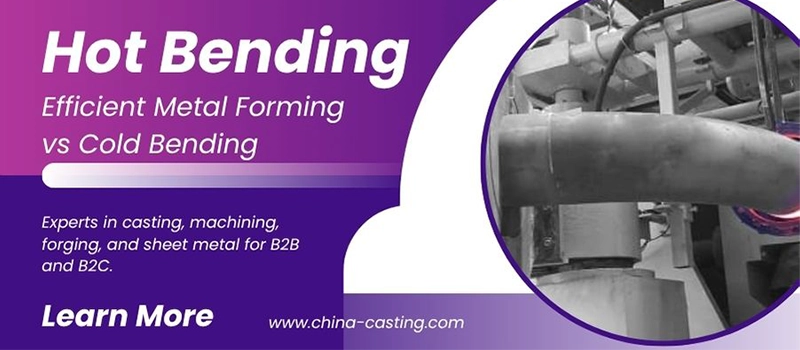
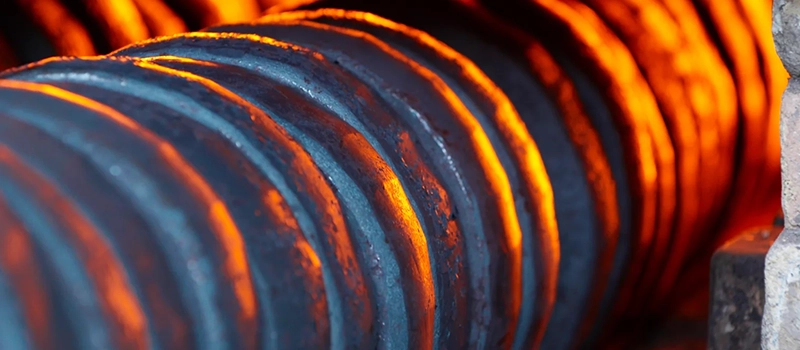
On the other hand, hot bending becomes necessary when materials are too thick, too strong, or lack sufficient ductility at room temperature. By heating the material, its resistance to deformation is reduced, making it easier to form into complex shapes. However, this comes at the cost of additional processing steps and potential changes in material properties.
Another important distinction lies in process control. Cold bending relies heavily on precise mechanical control and parameter adjustment, while hot bending depends on temperature management in addition to force application. This difference significantly impacts production planning and quality consistency.
Cold Bending vs Hot Bending: Selection Considerations
When deciding between cold bending vs hot bending, engineers must evaluate several critical factors. These include material type, thickness, required bending radius, and final performance requirements. Each factor influences whether cold deformation is sufficient or if thermal assistance is required.
For example, materials with good ductility and moderate thickness are typically well-suited for cold bending. In contrast, materials that are brittle or require extreme deformation may necessitate hot bending to avoid cracking. Similarly, applications that demand high surface quality and tight tolerances tend to favor cold bending due to its stability and precision.
Ultimately, the decision is based on balancing performance, cost, and manufacturability. Understanding these differences ensures that the chosen method aligns with both technical requirements and production efficiency.
Conclusion
Cold bending offers a precise, efficient, and cost-effective solution for modern metal forming. By understanding its principles, processes, materials, and differences from hot bending, manufacturers can achieve reliable performance, improved quality, and optimized production outcomes.