CNC milling aluminum plays a critical role in producing high-precision parts, yet many businesses struggle with inconsistent quality, rising costs, and unreliable suppliers. These challenges often result in project delays and reduced competitiveness in demanding industries.
Understanding how to select the right aluminum materials, optimize machining processes, and work with capable manufacturers is essential for achieving consistent results. This guide breaks down everything you need to know about CNC milling aluminum, helping you make smarter and more cost-effective decisions.
Understanding CNC Milling Aluminum
What is CNC Milling Aluminum
CNC milling aluminum is a subtractive manufacturing process where programmed cutting tools remove material from an aluminum workpiece to produce precise shapes. The process is controlled by computer numerical control (CNC), meaning tool paths, speeds, and movements are executed automatically based on digital designs. This ensures consistent results and minimizes human error.
In cnc milling aluminum, the cutting tool rotates at high speed while the aluminum material is fixed or moves along multiple axes. Most operations are performed on 3-axis machines, while more complex geometries may require multi-axis systems to achieve angled cuts and deeper structures.
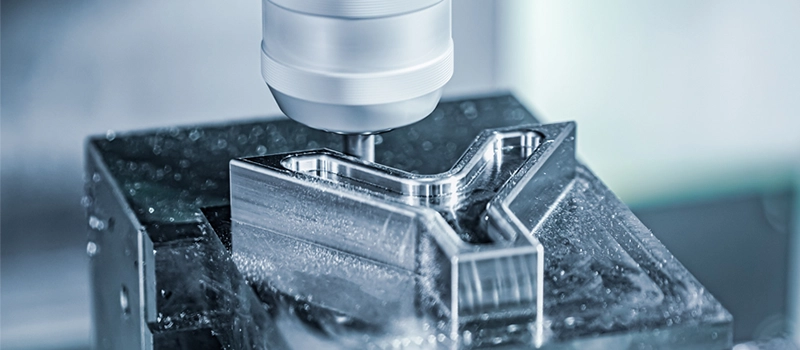
One of the key advantages of cnc milling aluminum is precision. Modern CNC machines can achieve tight tolerances defined by engineering tolerance, ensuring that each part meets strict dimensional requirements. This is especially important for components that must fit accurately within assemblies.
The process also allows for high repeatability. Once a program is validated, identical parts can be produced continuously with minimal variation. This makes cnc milling aluminum suitable for both prototyping and large-scale production. In addition, complex features such as pockets, holes, and contours can often be completed in a single setup, reducing production time and improving efficiency.
Why Aluminum is Ideal for CNC Machining
Aluminum is widely used in cnc milling aluminum because of its balanced machining and mechanical properties. Its relatively low hardness allows cutting tools to move efficiently, which reduces machining time and tool wear.
Another important factor is its high strength-to-weight ratio. Aluminum provides sufficient structural strength while remaining lightweight, making cnc milled aluminum parts suitable for applications where reducing weight is critical.
Thermal conductivity also plays a key role. During cnc milling aluminum, heat is generated at the cutting interface. Aluminum dissipates heat effectively, helping maintain dimensional stability and reducing the risk of deformation. These material properties are well documented in aluminum material data.
In addition, aluminum naturally forms a protective oxide layer, giving it good corrosion resistance in many environments. This allows cnc milled aluminum parts to maintain performance without requiring complex surface treatments in standard applications.
Finally, aluminum alloys offer flexibility. Different grades can be selected based on strength, machinability, or environmental requirements, making cnc milling aluminum adaptable to a wide range of industrial uses.
Material Selection Strategy
Common Aluminum Grades for CNC Milling
In cnc milling aluminum, selecting the right material directly affects machining stability, surface quality, and overall cost efficiency. Different aluminum alloys behave differently during cutting, so understanding their characteristics is essential for making the right decision.
The most commonly used materials in cnc milling aluminum are 6061 aluminum alloy, 7075 aluminum, and 5052 aluminum. Their differences are best understood through a direct comparison:
| Aluminum Grade | Strength | Machinability | Corrosion Resistance | Typical Use in CNC Milling Aluminum |
|---|---|---|---|---|
| 6061 | Medium | Excellent | Good | General parts, structural components |
| 7075 | High | Moderate | Moderate | High-strength precision parts |
| 5052 | Low-Med | Good | Excellent | Enclosures, panels, marine parts |
Among these, 6061 aluminum alloy is the most widely used in cnc milling aluminum due to its balanced performance. It offers stable cutting behavior and is suitable for most custom cnc milled aluminum parts.
7075 aluminum is selected when higher strength is required. However, in cnc milling aluminum, it is more demanding on tooling and process control, making it more suitable for performance-critical applications.
5052 aluminum is preferred in environments where corrosion resistance is critical. While it is not the easiest to machine, it performs reliably in cnc milling aluminum for applications exposed to moisture or chemicals.
This comparison shows that cnc milling aluminum is not only a machining process but also a material-driven decision. Choosing the correct alloy ensures both manufacturing efficiency and product reliability.
How to Choose the Best Aluminum for CNC Milling
Choosing the best material for cnc milling aluminum requires evaluating several practical factors rather than focusing on a single property.
Strength is usually the first consideration. If the part is load-bearing, higher-strength alloys such as 7075 may be necessary. For most standard applications, 6061 aluminum alloy provides sufficient strength while maintaining better machining efficiency.
Machinability is equally important. In cnc milling aluminum, materials that are easier to cut reduce machining time and tool wear, which directly lowers production cost and improves delivery speed.
Environmental conditions also influence material selection. Aluminum naturally forms a protective oxide layer, a behavior explained in aluminium, which helps improve corrosion resistance in many applications.
Surface finishing requirements should be considered early. Some alloys respond better to anodizing and coating processes, which can affect both durability and appearance of cnc milled aluminum parts.
Finally, cost should be evaluated as a combined factor. In cnc milling aluminum, the total cost includes raw material, machining time, and post-processing. Selecting a material that is easier to machine can often reduce overall production cost even if the raw material price is higher.
CNC Milling Aluminum Process Deep Dive
Key Steps in Aluminum CNC Milling
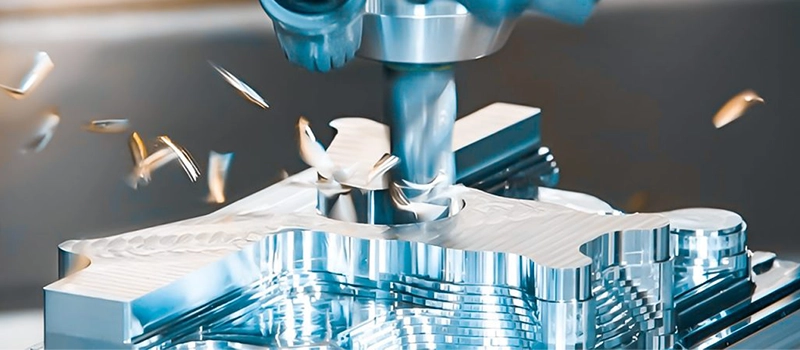
The cnc milling aluminum process follows a structured workflow to ensure precision, consistency, and efficiency. Each step directly affects the final quality of cnc milled aluminum parts, making process control critical in both small-batch and large-scale production.
The process begins with CAD design, where the part geometry is created in digital form. This model is then converted into machining instructions using CAM software. These instructions define tool paths, cutting speeds, and feed rates, ensuring that the cnc milling aluminum operation is executed accurately. The fundamentals of this workflow are based on computer-aided manufacturing.
Tool selection is the next critical step. In cnc milling aluminum, tools must be optimized for high-speed cutting and efficient chip removal. Carbide tools are commonly used due to their durability and ability to maintain sharp cutting edges. Incorrect tool selection can lead to poor surface finish or excessive tool wear, both of which increase production costs.
Cutting parameters also play a key role. Spindle speed, feed rate, and depth of cut must be carefully balanced. Because aluminum is relatively soft, cnc milling aluminum allows for higher cutting speeds compared to harder metals. However, excessive speed without proper control can lead to vibration or surface defects.
Workholding is another essential factor. Proper clamping ensures that the aluminum workpiece remains stable during machining. Any movement during cnc milling aluminum can result in dimensional inaccuracies or surface inconsistencies. Fixtures must be designed to provide both stability and accessibility for the cutting tool.
Finally, quality inspection is performed after machining. Measurements are taken to verify that the part meets specified tolerances. This ensures that cnc milled aluminum parts are ready for assembly or further processing without additional corrections.
Challenges in Milling Aluminum
Although aluminum is easier to machine than many metals, cnc milling aluminum still presents several technical challenges that must be carefully managed.
One of the most common issues is chip adhesion, often referred to as built-up edge. During cnc milling aluminum, material can stick to the cutting tool, affecting surface finish and dimensional accuracy. This problem is closely related to chip formation, which depends on cutting conditions and material properties.
Heat management is another challenge. While aluminum dissipates heat well, improper cutting parameters can still lead to localized temperature buildup. This may cause slight deformation or affect surface integrity. In cnc milling aluminum, maintaining stable thermal conditions is essential for achieving consistent precision.
Surface finish control is also important. Aluminum is prone to visible machining marks if cutting conditions are not optimized. Tool sharpness, cutting speed, and coolant usage all influence the final appearance of cnc milled aluminum parts.
Tool wear, although less severe than in steel machining, still affects long-term production stability. Continuous cnc milling aluminum operations require monitoring tool condition to avoid unexpected quality issues.
Advanced Techniques for Precision
To achieve higher accuracy and efficiency, advanced techniques are often applied in cnc milling aluminum. These methods help improve both productivity and part quality, especially in demanding applications.
High-speed machining is widely used to optimize performance. By increasing spindle speed and reducing cutting force, cnc milling aluminum can achieve smoother surfaces and shorter cycle times. This approach is particularly effective for complex geometries and thin-walled components.
Coolant strategies also play a significant role. Proper lubrication reduces friction and prevents material from sticking to the tool. In cnc milling aluminum, mist cooling or flood cooling is often used depending on the complexity of the operation.
Another important technique is multi-axis machining. Using 4-axis or 5-axis systems allows more complex shapes to be produced in a single setup. This reduces repositioning errors and improves overall accuracy. It also enhances efficiency in cnc milling aluminum by minimizing secondary operations.
Process optimization is the final layer. By continuously adjusting parameters and refining tool paths, manufacturers can achieve better consistency and lower production costs. In cnc milling aluminum, small improvements in process control can lead to significant gains in quality and efficiency over time.
Types of CNC Milled Aluminum Parts
Typical CNC Milled Aluminum Components
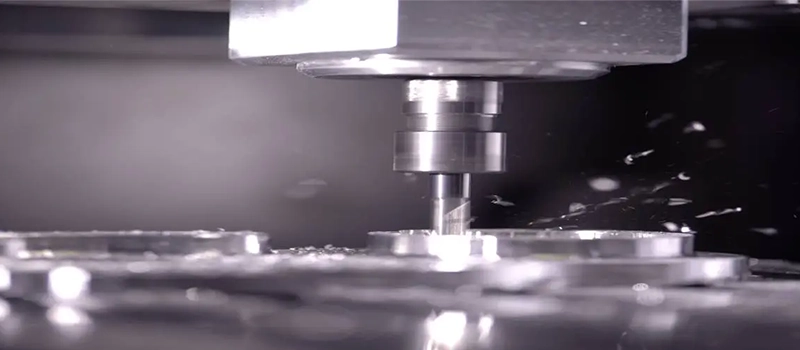
In cnc milling aluminum, the types of parts produced vary depending on structural requirements, functional roles, and design complexity. Most cnc milled aluminum parts can be categorized into several clear groups, each serving a distinct purpose in industrial applications.
Structural Components
Structural components are widely produced in cnc milling aluminum and are primarily used for support, alignment, and load distribution. These parts must maintain dimensional stability and strength under operational stress. Aluminum’s strength-to-weight ratio makes it particularly suitable for reducing system weight while maintaining structural integrity.
Enclosures and Housings
Enclosures and housings are designed to protect internal systems such as electronics or mechanical assemblies. In cnc milling aluminum, these parts often require tight tolerances, clean edges, and consistent wall thickness. Aluminum’s corrosion resistance and machinability make it an ideal choice for durable and lightweight protective structures.
Precision Functional Parts
Precision parts include brackets, connectors, and custom mechanical elements that require strict dimensional accuracy. In cnc milling aluminum, these components often involve complex geometries and multiple machining steps. Their performance depends heavily on machining precision and consistency.
Heat Dissipation Components
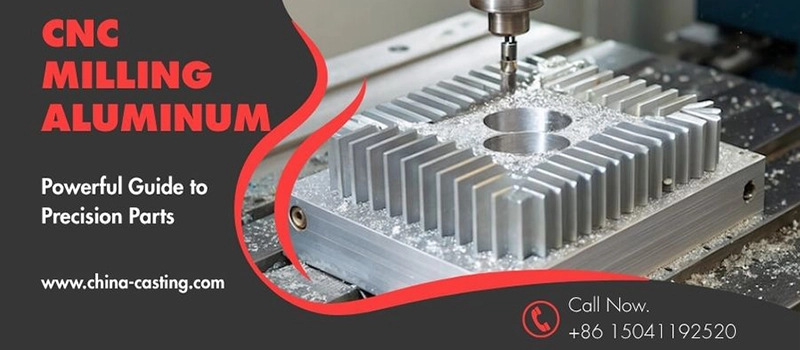
Heat-related components such as heat sinks are commonly manufactured through cnc milling aluminum. These parts are designed with fins or extended surfaces to improve thermal performance. Aluminum’s thermal conductivity makes it effective for managing heat in mechanical and electronic systems.
Aesthetic and Surface-Critical Parts
Some cnc milled aluminum parts are visible in the final product and require high surface quality. These components must meet both functional and visual standards. Surface finish, edge quality, and uniform appearance are key considerations during machining.
Industry Applications
The application of cnc milling aluminum spans multiple industries, each with specific technical demands and performance expectations.
Automotive Industry
In automotive applications, cnc milling aluminum is used for lightweight structural components, brackets, and performance parts. Reducing weight while maintaining strength helps improve efficiency and overall system performance.
Aerospace Industry
In aerospace manufacturing, cnc milling aluminum is essential for producing high-precision components that must meet strict safety and reliability standards. These applications are closely related to principles in aerospace engineering, where precision and material performance are critical.
Industrial Equipment
Cnc milling aluminum is widely used in industrial machinery for producing mounting systems, frames, and custom mechanical parts. These components must withstand continuous operation while maintaining dimensional accuracy.
Construction and Infrastructure
In construction, cnc milling aluminum is applied in connectors, fittings, and structural elements. Aluminum’s corrosion resistance makes it suitable for long-term use in outdoor environments.
Electronics and Technology
In electronics, cnc milling aluminum is commonly used for housings, frames, and heat management components. Precision and thermal performance are key factors in these applications.
Customization & Manufacturing Capabilities
Custom CNC Milling Aluminum Solutions
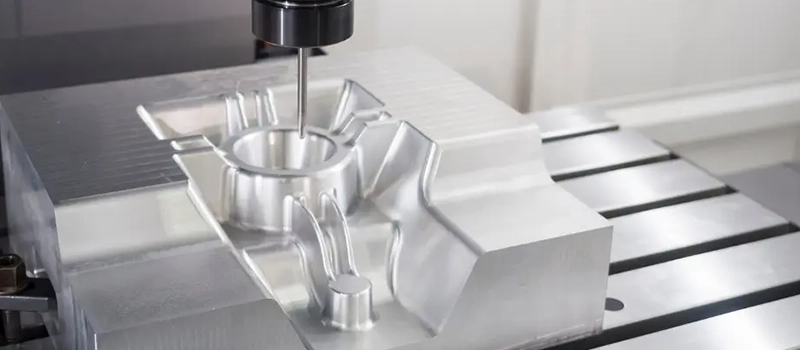
In cnc milling aluminum, customization is a key advantage that allows manufacturers to meet specific design and performance requirements. Unlike standardized parts, custom cnc milling aluminum focuses on producing components based on drawings, functional needs, and application conditions.
OEM Manufacturing
OEM production in cnc milling aluminum is based entirely on customer-provided designs. The manufacturer follows detailed drawings and specifications to produce parts with precise dimensions and required tolerances. This approach ensures that the final cnc milled aluminum parts integrate seamlessly into existing systems.
OEM cnc milling aluminum is commonly used when the buyer already has a mature product design and requires consistent, repeatable production. Accuracy and process stability are the main priorities in this model.
ODM and Design Support
In some cases, manufacturers also provide design support, often referred to as ODM capability. In cnc milling aluminum, this involves assisting with drawing optimization, material selection, and manufacturability improvements.
This is especially important when initial designs are not fully optimized for machining. Adjustments such as simplifying geometries, improving tool accessibility, or refining tolerances can significantly improve production efficiency and reduce cost.
Prototype vs Mass Production
Cnc milling aluminum supports both prototyping and large-scale production, but the approach differs depending on volume.
- Prototyping focuses on flexibility and speed. Programs may be adjusted frequently, and the goal is to validate design and function.
- Mass production emphasizes stability, repeatability, and cost control. Process optimization becomes critical to ensure consistent quality across batches.
A capable cnc milling aluminum supplier should be able to transition smoothly from prototype to production without major process changes.
Combining Milling with Turning and Other Processes
Modern manufacturing often requires more than a single process. In cnc milling aluminum, combining multiple machining methods improves efficiency and expands production capability.
Milling and Turning Integration
Many cnc milled aluminum parts also require turning operations, especially when cylindrical features are involved. Integrating milling and turning allows complex parts to be completed in fewer setups.
This reduces handling time, improves accuracy, and minimizes alignment errors. It is particularly useful for components that include both flat surfaces and rotational features.
Multi-Process Manufacturing
In addition to milling and turning, cnc milling aluminum can be combined with drilling, tapping, and surface finishing processes. This integrated approach reduces the need for multiple suppliers and shortens the production cycle.
For example, a single supplier can machine the part, apply surface treatment, and perform final inspection. This improves consistency and simplifies supply chain management.
Surface Finishing Capabilities
Surface treatment is an important extension of cnc milling aluminum. Common finishing processes include anodizing, sandblasting, and polishing. These processes improve corrosion resistance, surface hardness, and visual appearance.
Selecting the right finishing method depends on the application requirements. Functional parts may prioritize durability, while visible components may require a high-quality appearance.
Global Supply & China Advantage
Why Source CNC Milling Aluminum from China
In cnc milling aluminum, global sourcing has become a standard strategy for reducing cost while maintaining acceptable quality. Among all manufacturing regions, China has developed into a leading hub for cnc milling aluminum due to its integrated supply chain and production capacity.
Cost Efficiency
One of the main reasons companies choose China for cnc milling aluminum is cost efficiency. Lower labor costs, combined with high production volume, allow manufacturers to offer competitive pricing. At the same time, access to raw materials and established machining infrastructure helps reduce overall production expenses.
This cost advantage does not only come from labor. It is also supported by economies of scale and supply chain clustering, where multiple supporting industries operate within close proximity. This structure improves coordination and reduces indirect costs in cnc milling aluminum production.
Mature Manufacturing Ecosystem
China’s manufacturing ecosystem is highly developed, especially in metal processing. From raw material supply to machining, surface treatment, and inspection, all stages of cnc milling aluminum can be completed within a connected industrial network.
This integration reduces lead times and simplifies production management. It also allows suppliers to handle complex orders that require multiple processes without outsourcing to different vendors.
Technical Capability and Equipment
Modern cnc milling aluminum suppliers in China are equipped with advanced CNC machines, including multi-axis systems. These machines support complex geometries and high-precision requirements.
In addition, continuous investment in manufacturing technology has improved machining accuracy and process stability. As a result, many suppliers are capable of producing cnc milled aluminum parts that meet international standards.
What to Look for in a CNC Milling Supplier
Choosing the right supplier is critical in cnc milling aluminum. Price alone should not be the deciding factor, as quality, reliability, and communication all directly affect project outcomes.
Quality Control System
A reliable cnc milling aluminum supplier must have a clear quality control process. This includes incoming material inspection, in-process monitoring, and final dimensional verification.
Standards such as ISO 9001 are often used to define quality management systems. Suppliers that follow structured quality standards are more likely to deliver consistent results.
Certification and Compliance
For projects targeting international markets, certification is important. Compliance with relevant standards ensures that cnc milling aluminum parts meet regulatory and safety requirements.
For example, products exported to Europe may require CE-related documentation and authorized representation, as outlined in . This type of certification reflects a supplier’s ability to meet international compliance requirements.
Production Capacity and Lead Time
Production capacity determines whether a supplier can handle your order volume within the required timeframe. In cnc milling aluminum, delays can affect entire project schedules, especially in manufacturing environments with strict timelines.
Suppliers should demonstrate the ability to manage both small and large orders while maintaining stable delivery times.
Communication and Responsiveness
Clear communication is often underestimated but plays a critical role in cnc milling aluminum projects. Misunderstandings in drawings, tolerances, or specifications can lead to costly errors.
A reliable supplier should be able to respond quickly, provide technical feedback, and clarify requirements before production begins.
Cost Breakdown of CNC Milling Aluminum
Key Cost Factors
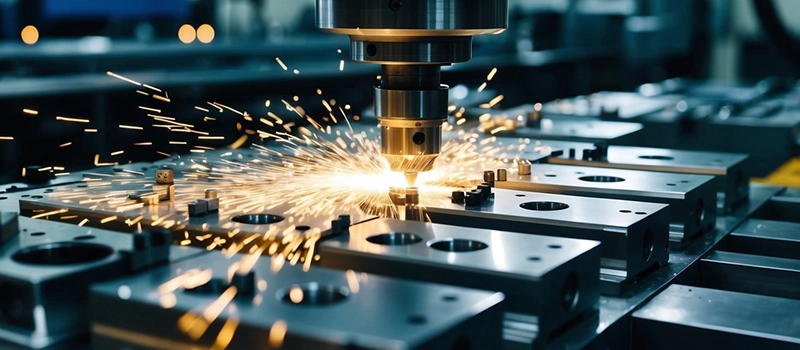
In cnc milling aluminum, the total cost is not determined by a single factor. Instead, it is the result of multiple elements working together, including material, machining time, complexity, and finishing requirements. Understanding these factors helps buyers control budgets and avoid unexpected expenses.
Material Cost
Material is the most basic cost component in cnc milling aluminum. Different aluminum alloys have different price levels, with higher-strength materials such as 7075 typically costing more than standard grades like 6061.
Material utilization also affects cost. Inefficient designs that require excessive material removal will increase waste and overall expense. Optimizing raw material size and part geometry can significantly reduce cost at this stage.
Machining Time
Machining time is one of the most critical cost drivers in cnc milling aluminum. The longer a part takes to machine, the higher the cost.
Several factors influence machining time:
- Part complexity
- Number of operations
- Tool changes
- Required precision
Complex geometries and tight tolerances require slower cutting speeds and more careful processing, which increases production time.
Tolerance Requirements
Tolerance has a direct impact on cost in cnc milling aluminum. Tight tolerances require more precise machining, additional inspection, and sometimes secondary finishing processes.
For non-critical features, overly strict tolerances can unnecessarily increase cost without adding functional value. Defining appropriate tolerance levels is essential for cost control.
Surface Finishing
Surface treatments such as anodizing, polishing, or sandblasting add additional cost to cnc milling aluminum. These processes improve corrosion resistance, durability, and appearance but require extra time and processing steps.
The choice of finishing should match the functional and aesthetic requirements of the part rather than being applied universally.
How to Reduce CNC Milling Aluminum Costs
Reducing cost in cnc milling aluminum does not mean sacrificing quality. Instead, it involves optimizing design and production strategy to improve efficiency.
Design for Manufacturability (DFM)
One of the most effective ways to reduce cost is through design for manufacturability. In cnc milling aluminum, DFM focuses on simplifying part geometry, reducing unnecessary features, and ensuring that the design is compatible with standard machining processes.
For example, avoiding deep narrow cavities or complex internal corners can significantly reduce machining difficulty and time.
Optimize Tolerances
Not all dimensions require high precision. In cnc milling aluminum, applying tight tolerances only where necessary can reduce machining time and inspection effort.
Relaxing non-critical tolerances allows for faster cutting speeds and more efficient production.
Reduce Setup and Operations
Each setup in cnc milling aluminum adds time and potential alignment error. Designing parts that can be completed in fewer setups improves efficiency and lowers cost.
Combining features into a single operation or using multi-axis machining can help achieve this goal.
Batch Production Strategy
Producing parts in batches can significantly reduce unit cost in cnc milling aluminum. Setup time and programming effort are distributed across multiple parts, improving overall efficiency.
This is especially important for wholesale cnc milling aluminum parts, where volume directly affects pricing.
Conclusion
Cnc milling aluminum remains one of the most efficient and reliable solutions for producing precision parts across modern industries. From material selection to machining process and cost control, every step directly impacts quality and performance.
Understanding these key factors allows businesses to make better decisions, reduce risks, and achieve consistent results in cnc milling aluminum projects.