“The choice of manufacturing process directly impacts product performance, cost, and delivery time.” — Mechanical Engineering Design Handbook
I believe every industrial buyer should keep this principle in mind. When it comes to deciding between CNC machining and sheet metal fabrication, the consequences go far beyond just cutting and forming metal. The method you choose affects the precision, cost-efficiency, and overall success of your project.
So, CNC Machining vs Sheet Metal— which one truly fits your project best? In this article, I’ll break down the key differences between the two, using real-world insights from years of experience in metal manufacturing.
What Is CNC Machining?
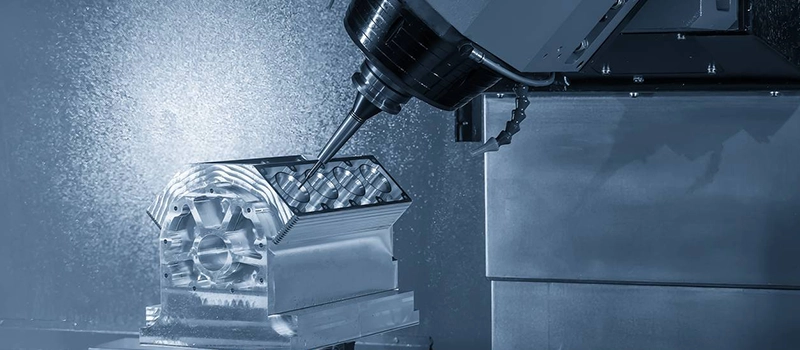
CNC machining, or Computer Numerical Control machining, is a precision manufacturing process where computers control cutting tools to shape raw materials—typically metals—into finished parts. It’s a foundational process in metal fabrication cnc operations, and when comparing CNC machining vs sheet metal, it stands out for its high accuracy, versatility, and tight tolerances.
In contrast to sheet metal cnc machines which form or bend metal sheets, CNC machining removes material from a solid block (often called a billet) using rotary cutters, drills, or lathes. This process is ideal for creating complex 3D geometries that require high strength and precision.
Core CNC Processes Used in Metal Fabrication
A full-scale cnc sheet metal machine shop often includes the following CNC technologies:
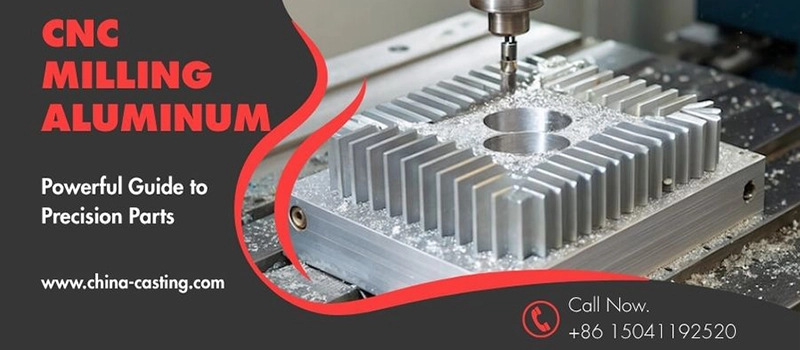
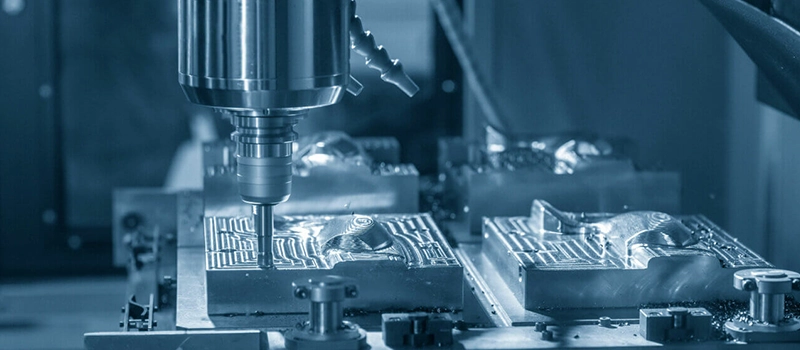
- CNC Milling – Rotary cutters remove material along multiple axes to create flat surfaces, pockets, and contours.
- CNC Turning – Used on lathes to shape rotating metal parts, such as shafts and bushings.
- CNC Drilling – High-speed, precision hole making in thick metal components.
- CNC Grinding / EDM – For ultra-high precision and surface finish in aerospace or mold-making applications.
All of these tools are programmed via G-code, which automates tool paths, speeds, depths, and coolant cycles with pinpoint accuracy.
Materials Compatible with CNC Machine Sheet Metal Operations
CNC machining supports a wide range of materials including:
- Carbon steel
- Stainless steel
- Aluminum alloys
- Brass and copper
- Titanium
- Plastics like POM and PTFE
This material flexibility makes CNC machining indispensable for industries like automotive, construction, mining, energy, and petrochemicals. Many of our customers choose CNC when sheet metal forming doesn’t meet the required mechanical performance or dimensional stability.
Advantages of CNC Sheet Metal Machines in Fabrication
The latest cnc sheet metal machines combine subtractive and hybrid capabilities, allowing our production line to:
- Achieve tolerances up to ±0.005mm
- Run lights-out production for 24/7 efficiency
- Reduce waste through precision cutting
- Customize parts at low to medium batch volumes
In modern metal fabrication cnc environments, we often combine CNC machining and sheet metal fabrication for multi-process components. For example, a part may be cut and formed using a sheet metal cnc machine, then machined for fine features, threads, or tolerance-critical holes.
This hybrid capability is what gives CNC machining an edge in custom engineering solutions, especially where performance and part complexity matter most.
What Is Sheet Metal Fabrication?
Sheet metal fabrication is a manufacturing process that involves cutting, bending, punching, and assembling thin metal sheets into desired parts and structures. Unlike CNC machining—which removes material from a solid block—sheet metal fabrication works by reshaping flat metal stock into final products using a combination of mechanical and CNC-controlled methods.
In the context of CNC machining vs sheet metal, sheet metal fabrication is the preferred method for creating lightweight, hollow, and structurally efficient parts, especially those made from mild steel, stainless steel, aluminum, and galvanized steel.
Core Processes in Sheet Metal CNC Fabrication
Modern sheet metal cnc machines combine automated precision with mechanical forming. Common techniques include:
- Laser cutting or plasma cutting
For high-speed, clean-edge profiles on thin metals. - CNC bending
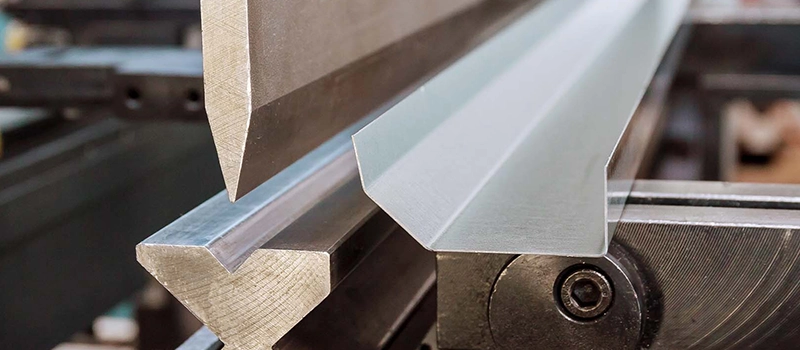
Using cnc sheet metal machines such as press brakes with programmable controls to ensure precise angle bending. - Stamping & punching
High-efficiency for repetitive hole patterns, louvers, or embossing. - Welding & assembly
MIG, TIG, and spot welding used to join fabricated sections.
These techniques are typically integrated in a cnc metal forming line, ensuring consistency and scalability.
Typical Applications of Sheet Metal CNC Fabrication
At our facility, sheet metal cnc fabrication is commonly used for:
- Electrical enclosures
- Machine housings
- Brackets and panels
- Agricultural and construction equipment covers
- Ventilation and HVAC ducts
Unlike parts made via CNC machining, sheet metal components are often:
- Thinner and lighter
- Faster to produce in large quantities
- More cost-effective for flat or folded designs
This makes sheet metal the ideal choice for high-volume production where structural strength is needed without the excess weight of a machined solid part.
How CNC Enhances Sheet Metal Production
The integration of CNC technology into sheet metal fabrication has elevated the precision and productivity of this traditional process. Modern cnc sheet metal machines allow for:
- Faster tool changes and setup
- Reduced human error
- Reproducibility across thousands of units
- Tighter tolerances on folded or cut edges
In fact, most advanced metal fabrication cnc workflows today rely on a combination of sheet metal cnc and cnc machining processes to deliver complete product solutions. When comparing cnc machining vs sheet metal, it’s not always one or the other—in many industrial projects, both coexist on the same bill of materials.
The Key Differences Between CNC Machining vs Sheet Metal
The difference between CNC machining vs sheet metal fabrication is not just technical—it’s strategic. Choosing the wrong method can result in overbudget costs, excessive lead times, or performance issues. As a metal factory with full-scale production lines, I’ve seen firsthand how understanding this distinction impacts every part of a manufacturing project.
1. Process Nature: Cutting vs Forming
CNC machining is a subtractive process, where solid metal blocks are precisely cut by rotating tools. In contrast, sheet metal fabrication is a formative process that shapes thin sheets using bending, cutting, and stamping techniques. In our factory, both are essential, but the selection depends on the job.
For example, a solid steel motor base is manufactured using cnc machine sheet metal systems that include 5-axis milling. But a cover plate or enclosure is far more efficiently made using sheet metal cnc machines with automated bending and punching tools.
This is the core of the CNC machining vs sheet metal decision.
2. Material Form and Thickness
CNC machining processes thick materials like steel, aluminum, and titanium blocks, ideal for structural parts. On the other hand, sheet metal cnc machines are designed for processing flat sheets—typically 0.5mm to 10mm in thickness.
If your part requires internal cavities, deep channels, or critical threads, metal fabrication cnc with milling is your best option. But if you need speed and scale, cnc sheet metal machines are faster, cheaper, and deliver excellent quality for 2D or folded structures.
This is where cnc machining vs sheet metal becomes a decision between depth and breadth.
3. Precision and Application Focus
CNC machining delivers ultra-high precision—down to ±0.005mm. This is crucial in industries like automotive and aerospace where part tolerances define performance.
Sheet metal cnc systems typically deliver tolerances between ±0.2mm and ±0.5mm, which is acceptable for panels, brackets, or housings but not for press-fit or dynamic parts. That’s why, in most assemblies, we machine the base with cnc machine sheet metal lines and add laser-cut or bent parts using sheet metal cnc machines.
Understanding these roles is the essence of CNC machining vs sheet metal decision-making in real production.
4. Production Speed and Cost Efficiency
CNC machining is best for low- to medium-volume production. The setup time, tool wear, and material waste are higher, but it provides exacting quality for specialized parts.
By contrast, sheet metal cnc systems—especially high-speed punching and bending units—are built for mass production. With a single setup, thousands of units can be fabricated with minimal variation.
In our experience, using cnc sheet metal machines for batch production of electrical cabinets or enclosures has saved customers up to 60% in cost and lead time compared to machining each unit.
Again, the CNC machining vs sheet metal debate comes down to what your part needs: extreme accuracy, or high output.
5. Complexity vs Simplicity in Design
CNC machining allows for 3D geometries, custom threads, undercuts, and features impossible with forming. For parts with multiple surfaces or internal profiles, metal fabrication cnc using multi-axis mills is irreplaceable.
But when the part is flat, folded, or open-faced, cnc sheet metal is far more economical and faster to produce. And modern sheet metal cnc machines now come with automation features like servo-controlled bending angles, automated tool changers, and integration with laser cutters.
In many real projects, we combine both: CNC machine a precision mounting base, and attach a sheet metal cnc enclosure—two processes, one product, total efficiency.
Advantages of CNC Machining
In the ongoing discussion of CNC machining vs sheet metal, it’s crucial to recognize where CNC machining shines the most. As a metal parts manufacturer operating multiple cnc sheet metal machines and metal fabrication cnc lines, I’ve personally seen how CNC machining delivers value that other processes simply can’t match—especially when precision, complexity, and consistency are non-negotiable.
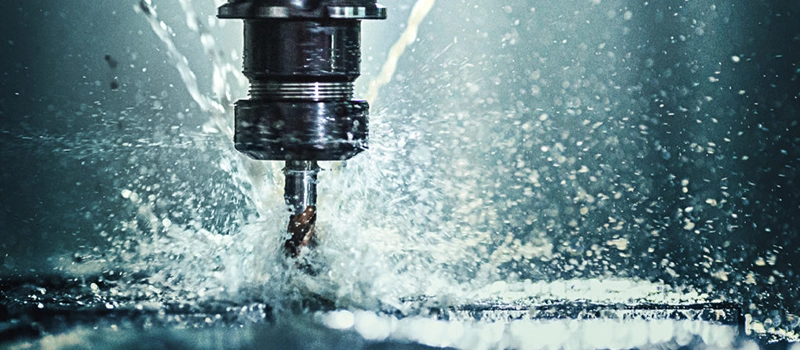
1. Unmatched Dimensional Accuracy
CNC machining offers extremely tight tolerances—down to ±0.005mm or even better depending on the machine setup and material. This level of precision is virtually impossible to achieve with even the most advanced sheet metal cnc machines.
In industries like automotive, aerospace, and medical, parts need to be dimensionally perfect to ensure functionality, safety, and compliance. Whether it’s a hydraulic valve body, an engine mount, or a robotic arm joint, CNC machining is the only option when precision is critical.
This is why, in the debate of CNC machining vs sheet metal, CNC wins every time when tolerances are tight.
2. Excellent Repeatability for Batch Production
Once a CNC program is created and tested, the system can reproduce the same part thousands of times with minimal deviation. Unlike manual machining or even some sheet metal forming processes, CNC machining eliminates most human error.
In our factory, we routinely run 24/7 production on cnc machine sheet metal systems for parts with consistent high-precision needs. Combined with automatic tool changers and in-process inspection, the result is mass production with millimeter-perfect reliability.
3. Capability for Complex Geometries
CNC machining supports multi-axis tool paths, which allow for:
- Deep pockets and cavities
- Complex 3D contours
- Internal channels and undercuts
- Custom threads and surface patterns
In contrast, most sheet metal cnc machines are limited to 2D profiles and folds. If your design includes rotating parts, embedded structures, or non-linear surfaces, metal fabrication cnc with CNC milling or turning is the right solution.
This is a defining advantage in the CNC machining vs sheet metal comparison: complexity is CNC’s strength.
4. Wide Material Compatibility
CNC machining is capable of handling a broad spectrum of materials, including:
- Tool steel, carbon steel, and stainless steel
- Aluminum, titanium, and brass
- High-performance engineering plastics
- Even exotic alloys like Inconel or Hastelloy
While cnc sheet metal machines work best with aluminum and mild steel sheets, they struggle with hard-to-bend materials. CNC machining offers no such limitation—it cuts through the toughest metals with speed and consistency.
5. Rapid Prototyping and One-Off Manufacturing
For R&D, pilot production, or custom one-off parts, nothing beats the agility of CNC machining. Once the CAD model is ready, we can turn it into a finished part within hours using our in-house metal fabrication cnc centers.
This advantage becomes critical when clients are developing new products and need fast iterations. Sheet metal cnc machines require tooling, bending setups, and batch runs—CNC can start immediately.
This alone makes CNC machining vs sheet metal a no-brainer when time-to-market is key.
Advantages of Sheet Metal Fabrication
While CNC machining excels at precision and complex geometries, sheet metal fabrication dominates when it comes to speed, scalability, and cost efficiency. In the broader comparison of CNC machining vs sheet metal, sheet metal fabrication—especially when powered by modern cnc sheet metal machines—is the undisputed winner for many large-volume industrial applications.
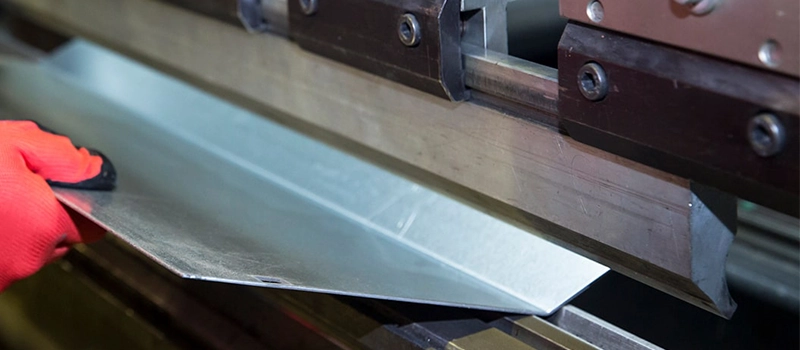
1. Cost-Effective for High-Volume Production
One of the most significant benefits of sheet metal cnc fabrication is how well it scales. When you need thousands of enclosures, panels, or brackets, sheet metal fabrication can deliver them at a fraction of the cost compared to CNC machining.
That’s because cnc sheet metal machines such as laser cutters, punch presses, and press brakes can process large sheets quickly, with minimal material waste and low per-unit labor cost. Once the tooling and programming are set, the process runs fast and consistently—ideal for long production runs.
In our factory, a job that might take hours on a metal fabrication cnc mill can be completed in minutes on a sheet metal cnc machine, especially for thin or flat components.
2. Fast Turnaround and Efficient Workflow
Speed is another key advantage. With automated sheet metal cnc machines, a full production cycle—including cutting, bending, and punching—can be completed within one integrated system.
Compared to CNC machining, which often requires multiple setup stages and tool changes, sheet metal fabrication offers a streamlined workflow. For time-sensitive orders, this difference can mean days saved on lead time.
When production schedules are tight, we always ask: Is this better suited for sheet metal cnc? If the part is flat or folded with no complex 3D machining, we move straight to the forming line.
3. Excellent Material Utilization
Unlike CNC machining, which cuts away material from solid blocks (and creates considerable scrap), sheet metal fabrication maximizes material efficiency. Nested cutting patterns reduce waste, which means better material yield and lower cost per part.
This is especially important when working with high-cost materials like stainless steel or aluminum alloys. Using our cnc sheet metal machines, we can optimize sheet layouts to minimize offcuts, saving both material and money for our customers.
4. Lightweight Yet Structurally Sound Designs
Parts made via sheet metal cnc fabrication are often lightweight but strong, thanks to techniques like:
- Bending for reinforcement
- Spot welding for joint strength
- Embossing or ribs for rigidity
For industries like automotive, electronics, and HVAC, where weight and volume matter, sheet metal provides the perfect balance of structural integrity and design efficiency.
In many cases, we help customers redesign CNC-machined solid parts into sheet metal equivalents, reducing both cost and weight without compromising function. That’s the power of experience in both cnc machining vs sheet metal applications.
5. Easy Customization and Design Flexibility (Within Limits)
While sheet metal fabrication can’t match CNC machining’s 3D complexity, it still offers considerable design flexibility:
- Quick design changes in CAD
- Rapid prototyping with minimal setup
- Modular assembly of bent and cut parts
Modern sheet metal cnc machines can switch between programs instantly, making short-run customization possible without full retooling.
This makes metal fabrication cnc workflows using sheet metal particularly suitable for industries that value adaptability and speed, such as consumer electronics, control cabinets, and custom mechanical enclosures.
Conclusion
CNC machining vs sheet metal is not a matter of which is better—but which is better for your part, budget, and timeline. CNC machining offers unmatched precision and design freedom, while sheet metal fabrication delivers unbeatable speed and efficiency for large-scale, flat or folded components. In a modern factory, both are essential—and when used together, they unlock the highest level of metal fabrication flexibility and performance.