
Rheocasting Boosts Quality in Industrial Metal Fabrication
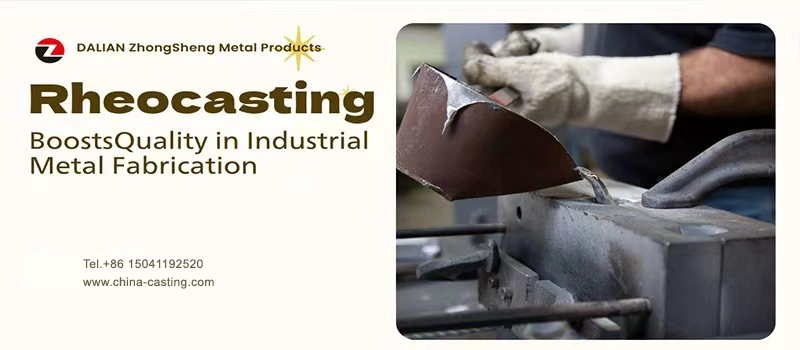
Rheocasting improves mechanical strength, reduces porosity, and ensures dimensional accuracy in metal fabrication. This article explores its benefits, materials, and industrial applications for cost-effective, high-quality part production.
Deburring in Metal Fabrication: Why It Matters for Quality
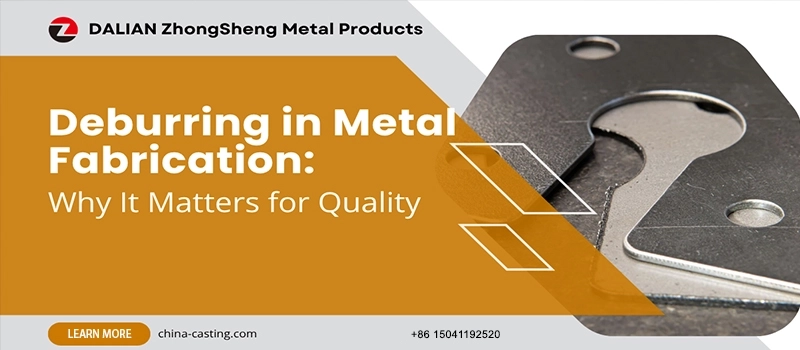
Deburring is a critical post-processing step in metal fabrication that removes burrs and sharp edges from machined, cast, or forged parts. It directly impacts part safety, assembly accuracy, corrosion resistance, and surface treatments like painting or coating. Understanding deburring helps avoid costly defects and enhances the end-use performance of every metal component.
Vacuum Impregnation in Casting: Dry and Wet Techniques
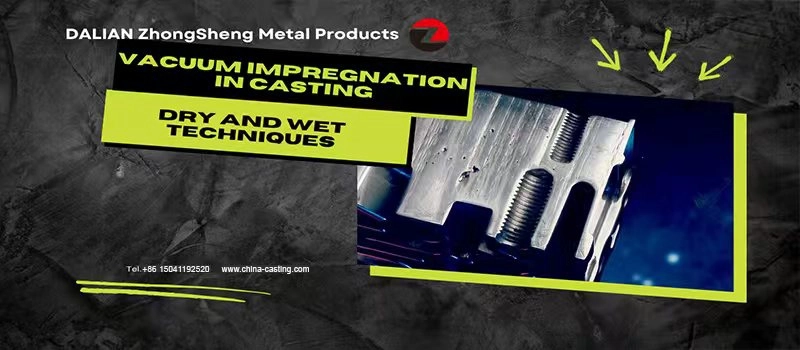
Vacuum impregnation is a process that eliminates internal porosity in metal castings using vacuum and pressure to seal microscopic voids with liquid resin. This article explains how the process works, compares dry vacuum, wet vacuum, and pressure methods, and highlights key benefits across industries like automotive, hydraulics, and aerospace. Proper impregnation ensures cast parts meet pressure sealing standards, improves corrosion resistance, and reduces part rejection. It’s a critical quality control step for manufacturers focused on performance and reliability.
Casting Method Comparison: Pros and Cons of 7 Processes

This casting method comparison analyzes the pros and cons of 7 major metal casting processes including sand, die, investment, and low pressure casting. Understand key differences in cost, accuracy, and material suitability to choose the most effective solution for your production needs.
Forging Methods: Which Process Is Right for You?
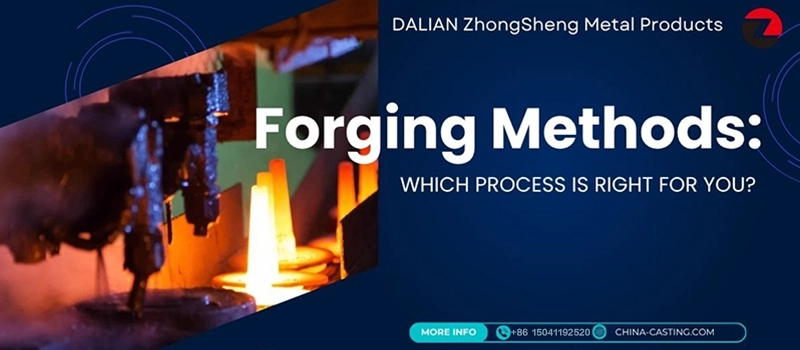
This article compares the most widely used forging methods—open die, closed die, cold forging, hot forging, and ring forging. I explain each method’s strengths, limitations, and ideal applications to help buyers and engineers make informed manufacturing decisions.
6 Core Sheet Metal Fabrication Processes Explained
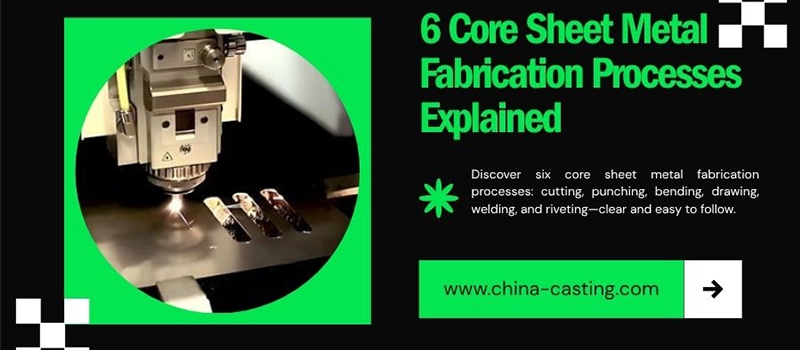
This article introduces the six essential sheet metal fabrication processes: cutting, punching, bending, deep drawing, welding, and riveting. Each process is explained by definition, types, tools, and advantages to help you understand the complete flow of metal part production.
A356 Die Casting Process for High-Quality Aluminum Parts
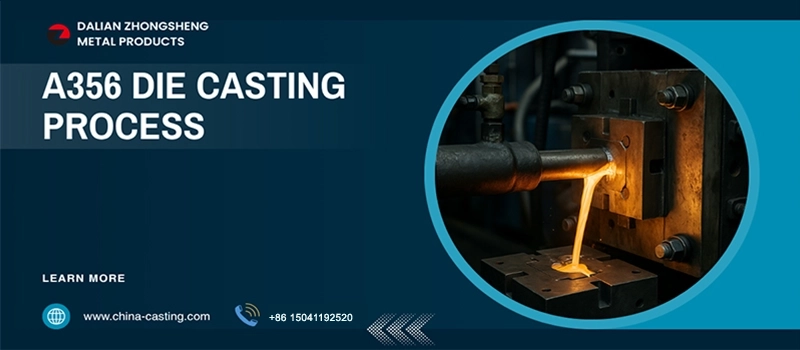
This article provides a clear, step-by-step guide to the A356 die casting process—from alloy preparation to quality inspection. Learn how to optimize melt control, die design, injection parameters, and post-treatment to produce high-quality aluminum castings.
Water Glass Casting Process: Precision Meets Cost Efficiency
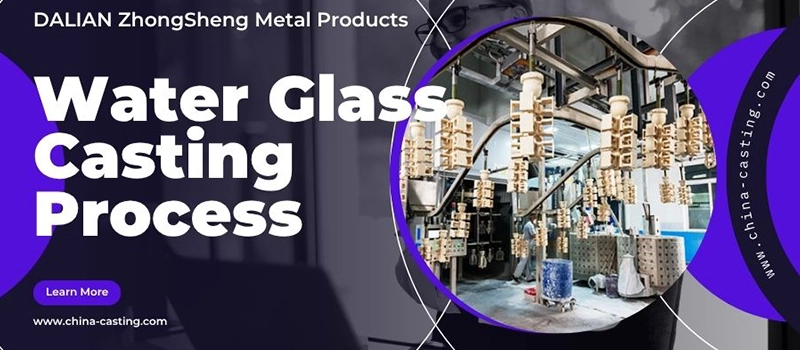
This article explores the water glass casting process in depth—from how it works to which materials and industries benefit most. Learn why this method delivers functional strength, mid-level precision, and scalable affordability for industrial metal parts manufacturing.
Nickel Plating Aluminum: How and Why It’s Done
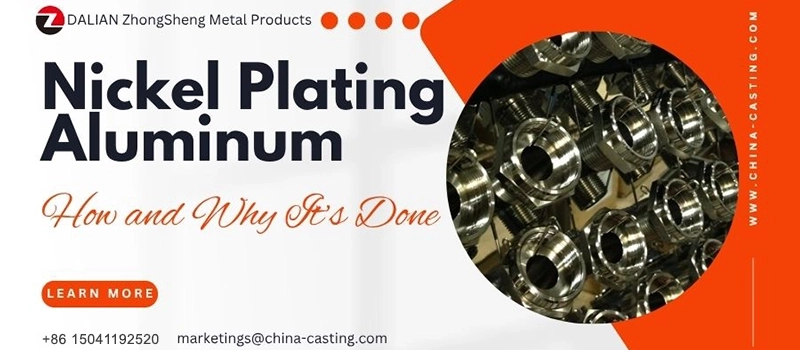
Nickel plating aluminum is essential for industries requiring durability, corrosion resistance, and precision. This guide explains why aluminum needs plating, outlines the complete electroless process, compares it with other coatings, and explores real-world applications across automotive, aerospace, energy, and electronics.
