
Tin Bronze: Powerful Industrial Benefits and Advantages
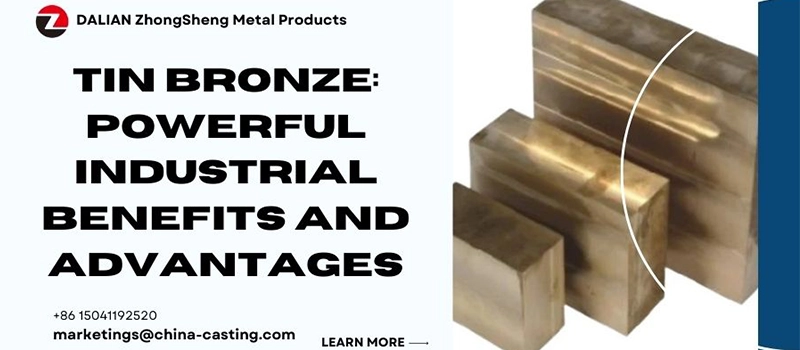
Tin bronze is a copper–tin alloy widely used in industrial manufacturing due to its strength, wear resistance, corrosion stability, and casting reliability. This article explains its composition, mechanical properties, key applications, and comparison with other bronze alloys, helping engineers and manufacturers understand why tin bronze remains a dependable material in demanding environments.
Refractory Metals: Powerful Properties and Advantages
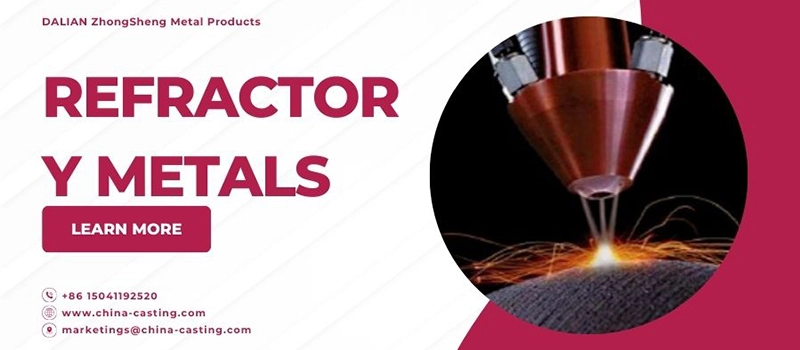
Refractory metals are high-performance materials known for exceptional melting points, strength at elevated temperatures, and long-term structural stability. This article explores the characteristics, common types, industrial applications, advantages, and manufacturing processes of refractory metals, highlighting their critical role in extreme engineering environments.
Aluminum Bronze Properties and Powerful Industrial Benefits
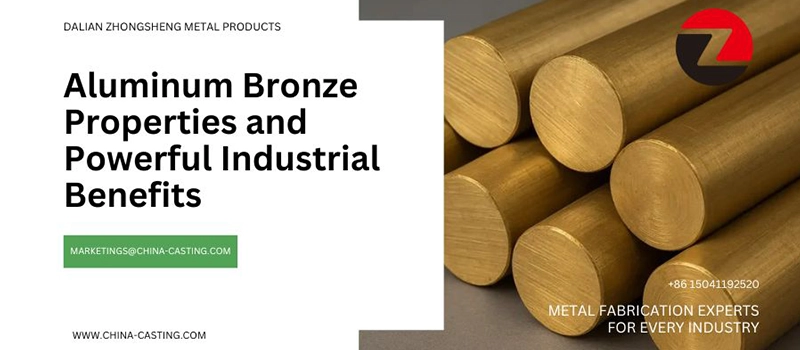
Aluminum Bronze is a high-performance copper-based alloy known for exceptional strength, corrosion resistance, and wear durability. This article explains its composition, mechanical properties, industrial applications, advantages over other alloys, and fabrication methods used in demanding environments such as marine, mining, petrochemical, and heavy machinery industries.
Ferrous Metals: Best Complete Guide for Industry
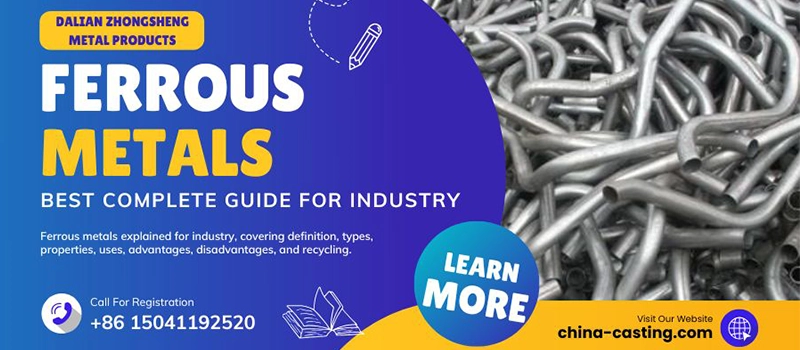
This article explains ferrous metals from an industrial perspective, including their definition, main types, material properties, common uses, advantages, limitations, and recycling systems, providing a clear foundation for material selection in manufacturing and industry.
Non Ferrous Metals: Best Complete Guide for Manufacturing
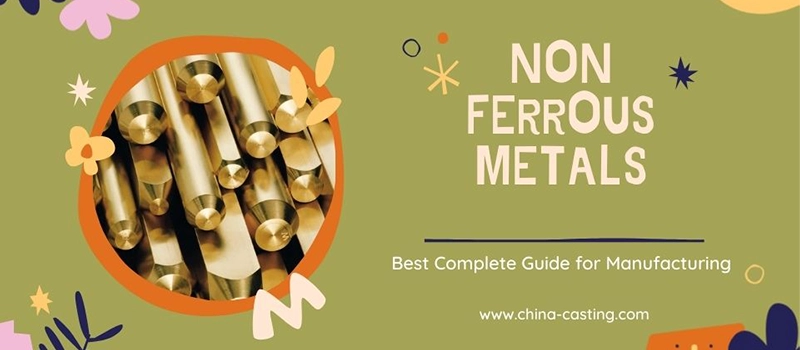
This article provides a comprehensive guide to non ferrous metals in manufacturing. It explains their key characteristics, common material types, industrial applications, practical benefits, environmental impact, recycling processes, and future role in modern manufacturing systems.
What Is Bronze Alloy and Why Does It Matter Today?
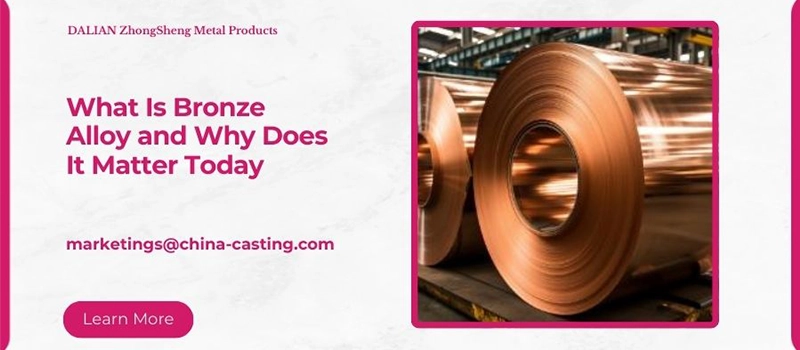
Bronze alloy, primarily composed of copper and tin, is a foundational material in modern manufacturing. From aluminum bronze to phosphor bronze, each alloy type serves unique industrial purposes. This article explores common bronze alloy types, their compositions, key industry applications, and the performance advantages that make bronze a reliable, versatile, and cost-effective solution across sectors.
Brass vs Bronze vs Copper: Choose the Right Metal Today
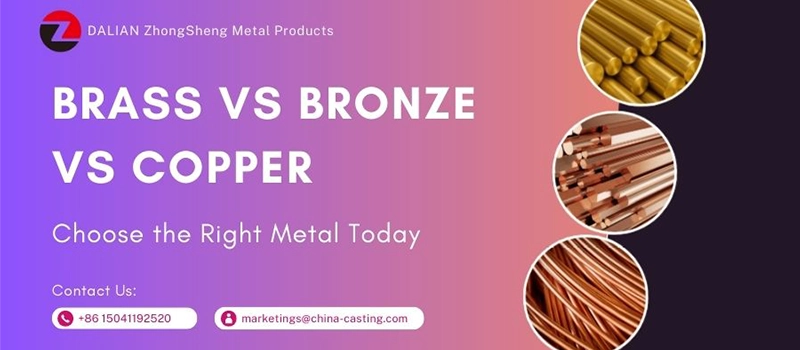
This in-depth guide compares brass vs bronze vs copper in terms of chemical composition, appearance, industrial use, utensil safety, corrosion resistance, pricing, and maintenance. It equips engineers, buyers, and designers with the knowledge needed to select the best metal for their application.
Ferrous vs Non Ferrous Metals: A Helpful Comparison Guide
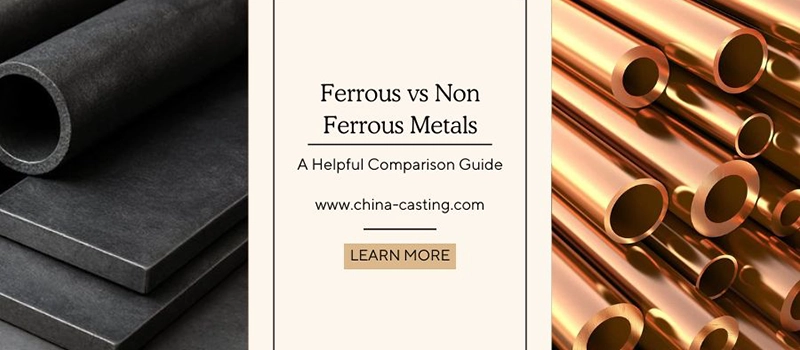
This article provides a detailed comparison of ferrous vs non ferrous metals, covering their definitions, characteristics, common types, applications, and pros and cons. Designed as an authoritative resource for engineers, buyers, and industrial professionals.
6061-T6 Compared to Other Alloys: Key Strengths and Limits
6061-T6 is a versatile aluminum alloy used in structural, marine, and machined parts. This article compares 6061-T6 to other alloys like 5052, 7075, 2024, and A356 to highlight key strengths, limits, and manufacturing trade-offs for better material selection.
