
Melting Point of Titanium: Why This Metal Withstands Heat
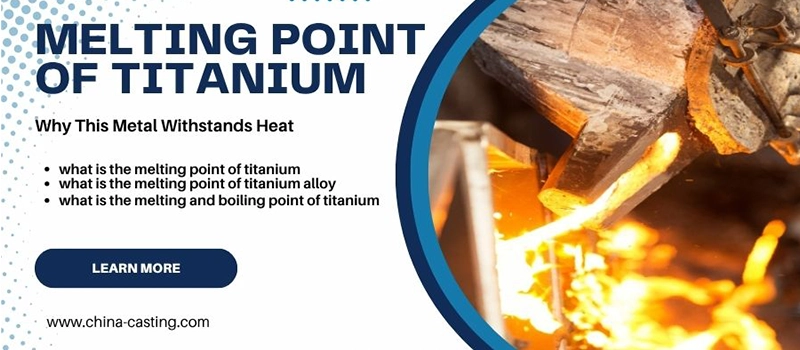
Titanium is a heat-resistant metal with a high melting point, making it ideal for aerospace, automotive, and industrial use. In this guide, I explain the melting and boiling points of titanium, its comparison with other metals, and what makes titanium alloys so valuable in high-temperature environments.
Pros and Cons of Custom Machining Parts Explained Clearly

Custom machining parts offer unbeatable precision and design flexibility — but they come with costs and risks. This guide helps you weigh the pros and cons to make better purchasing decisions.
Melting Point of Zinc and Its Industrial Significance

The melting point of zinc is 419.5°C (787.1°F), but this value can vary with purity, alloying, and conditions. This article explores how zinc melts in real manufacturing environments, including its behavior in alloys and compounds. A complete guide for engineers and industrial buyers.
Metallographic Analyzer Cuts Defects and Saves Costs
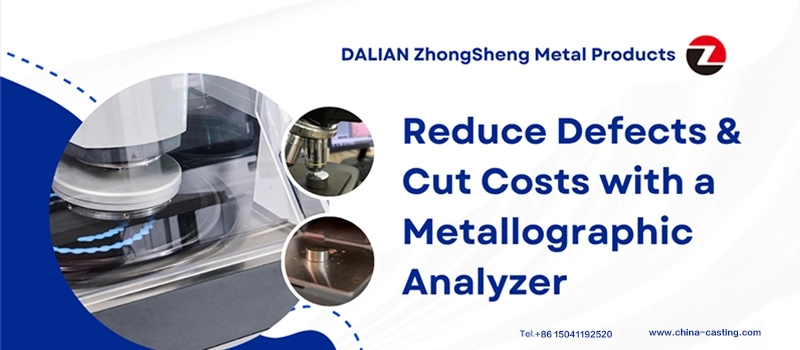
A metallographic analyzer is essential for detecting internal metal defects, optimizing production quality, and reducing failure rates. This guide explains its function, benefits, and how to choose the right model for your factory’s inspection needs.
What Does a Spectrometer Do in Metal Fabrication?
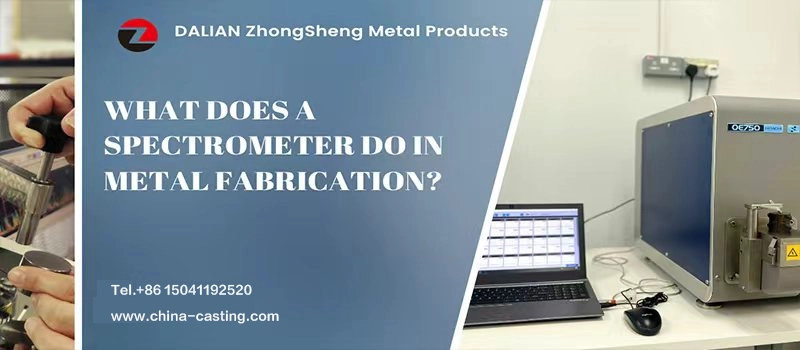
Spectrometers are essential in metal fabrication for analyzing chemical composition, improving casting quality, and reducing defects. This article explains how they support real-time testing, maintain product consistency, and meet global manufacturing standards.
Hardness Tester in Metal Casting, Machining, and Forging
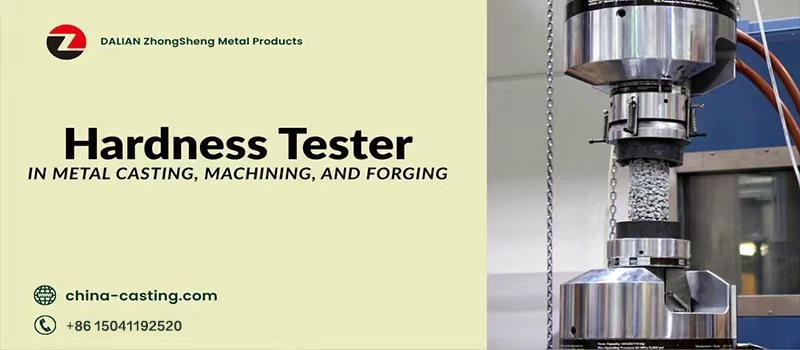
This article explains how to select the right hardness tester for your metal manufacturing needs. From Rockwell to Vickers, we explore their differences, application fields, pros and cons, and how to ensure precise, reliable results for industrial components.
Strength Tester Applications in Metal Manufacturing
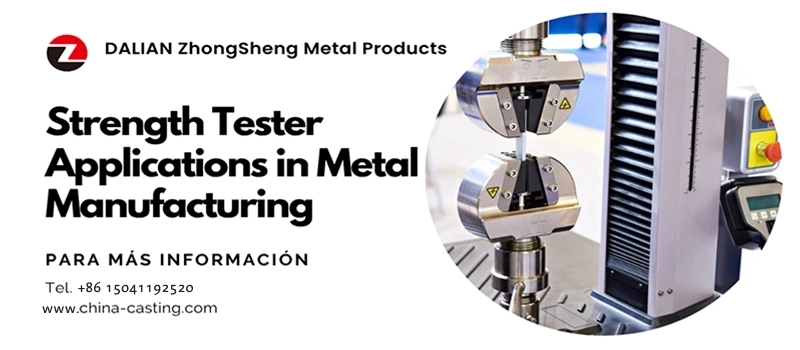
This article explores how strength testers are applied in industrial metal manufacturing. It covers tensile, yield, and compression testing methods, equipment selection, process integration in casting, machining, and forging, and tips to ensure accurate, compliant results.
Melting Point of Aluminum: What You Need to Know
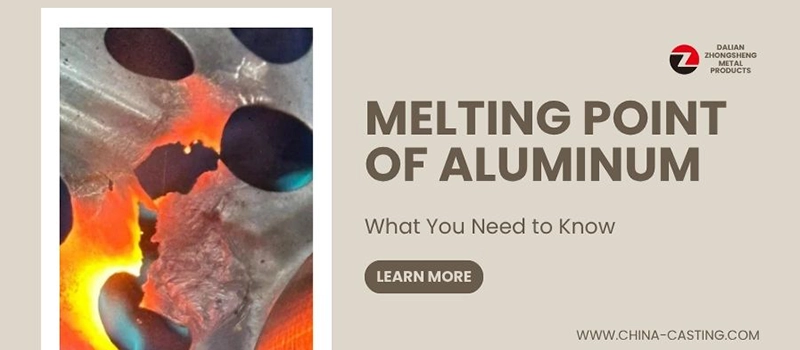
This comprehensive guide explains the melting point and boiling point of aluminum across different alloys and physical forms. It covers real-world factors affecting aluminum’s thermal behavior, how to measure its melting point accurately, and why these properties matter in casting, recycling, aerospace, and automotive industries.
How CMM Machines Help You Measure Metal Parts Accurately
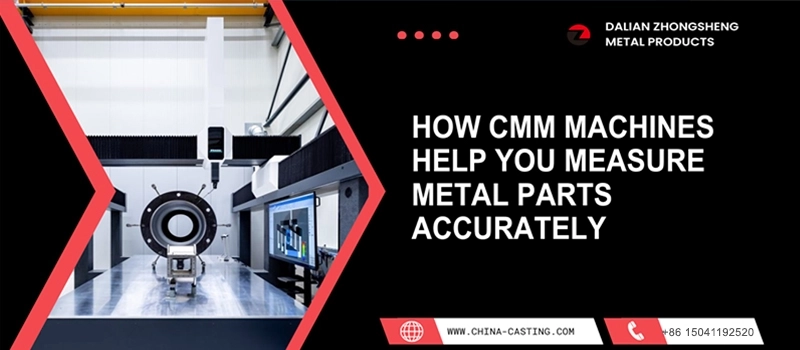
This article explains how CMM machines work, their types, and their benefits in metal part inspection. It covers their application in casting, machining, forging, and sheet metal, and compares CMMs with traditional tools to show why they’re essential for precise, modern manufacturing.
