
Ductility and Malleability as Critical Manufacturing Factors

Ductility and malleability describe how materials deform under tensile and compressive stress. In manufacturing processes, these properties determine formability, defect risk, and process limits. Proper understanding helps prevent cracking, tearing, and instability during metal forming and fabrication.
Density of Iron: The Essential Yet Misunderstood Property
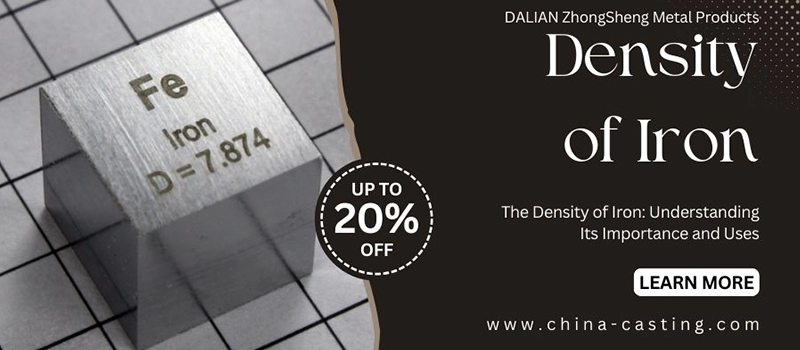
This comprehensive guide explores the density of iron in its various forms—from pure iron to cast iron, ductile iron, iron ore, and iron oxides. It explains how temperature, structure, and composition affect iron’s density and why this matters in engineering design, bulk shipping, and cost management. The article also compares the density of iron with materials like gold, mercury, steel, and water, offering real-world applications in manufacturing, procurement, and material science. Whether you’re sourcing industrial components or designing heavy-duty structures, understanding the density of iron is key to precision and efficiency.
Gold Corrosion Resistance in Engineering Applications
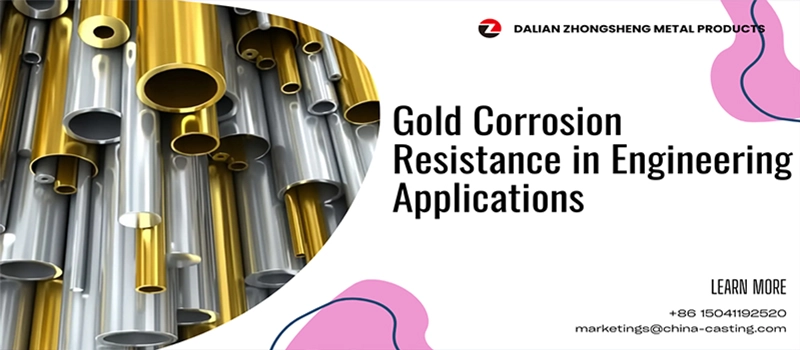
Gold corrosion resistance comes from gold’s noble metal nature and low chemical reactivity. In industrial applications, this property enables reliable performance in electrical contacts, precision components, and plated systems. Effectiveness depends on purity, alloying elements, and application conditions rather than gold presence alone.
Understanding the Density of Copper in Metal Fabrication
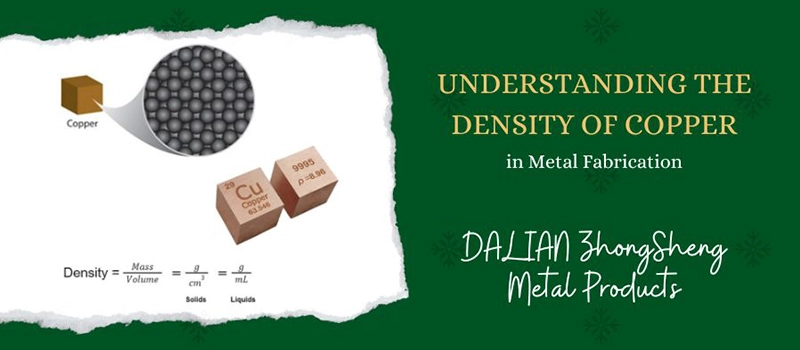
This article explores the density of copper in its pure and alloyed forms, detailing how factors like temperature, purity, and processing impact its real-world application. From weight estimation to fabrication planning, understanding copper density ensures better accuracy and performance in manufacturing.
Tolerance Stacking and Its Impact on Assembly Accuracy

Tolerance stacking occurs when dimensional variation accumulates across multiple features or parts. Even when individual tolerances are met, stack-up can cause misalignment, interference, and assembly failure. Controlling tolerance stacking requires proper datum selection, functional dimensioning, and manufacturing capability alignment.
ASTM Standard and Its Role in Manufacturing Compliance
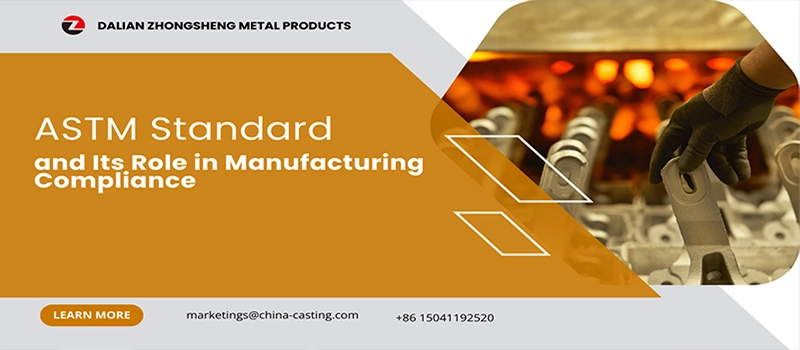
An ASTM standard establishes consensus requirements for material composition, mechanical properties, test methods, and acceptance criteria. In manufacturing, correct use of ASTM standards supports material selection, supplier qualification, inspection consistency, and compliance control, but does not replace application-specific requirements.
Sheet Metal Notching and Its Impact on Assembly Accuracy
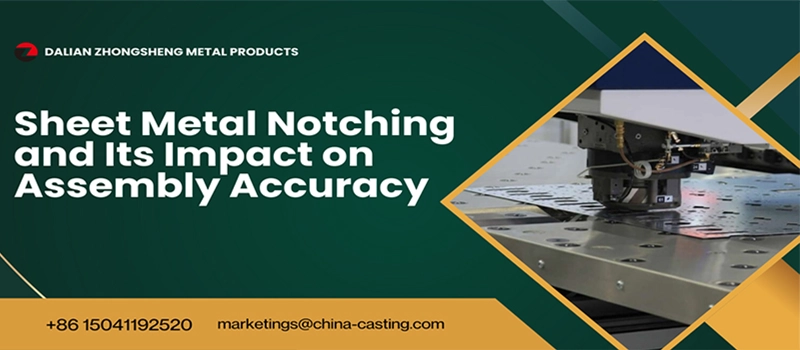
Sheet metal notching plays a critical role in assembly accuracy. Poor notch geometry alters material flow during bending, causing tolerance deviation, cracking, and misalignment. Understanding sheet metal notching behavior helps reduce rework and control forming quality.
Does Lead Rust? Understanding Lead Corrosion Behavior

Lead does not rust in the same way iron or steel does, but it does corrode under specific conditions. This article explains the difference between rust and oxidation, how lead behaves over time, and what to consider when using lead in industrial or outdoor applications.
Choosing the Right Aluminum Sheet Gauge for Fabrication
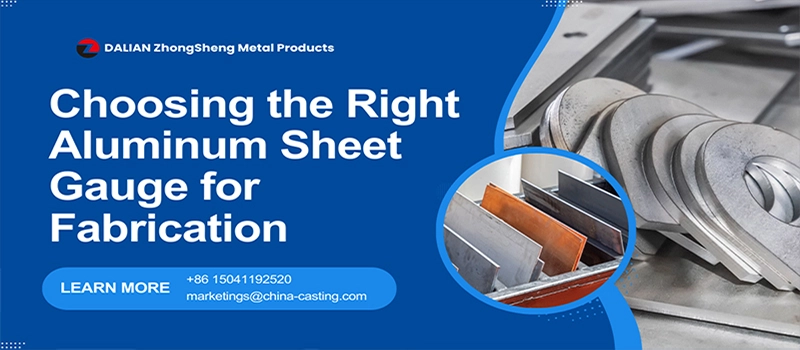
Understand how aluminum sheet gauge impacts fabrication, strength, and thickness for better material selection in industrial manufacturing.
