Precision and longevity in cast tooling are not optional—they are essential for modern metal manufacturing. When molds fail prematurely, tooling life drops, casting efficiency suffers, and production costs escalate. Frequent mold breakdowns and inconsistent outputs disrupt operations and delay delivery schedules.
Beyond internal inefficiencies, poor cast tooling life can also create compliance challenges. According to a certified European Union Representative Agreement, only casting molds supported by CE documentation and complete technical files are permitted for use in the EU market. Inadequate tooling performance not only threatens productivity but can also disqualify shipments from global trade.
The solution lies in engineering smarter, longer-lasting tooling. Through strategic material selection, surface treatments, heat control, and predictive maintenance, manufacturers can significantly extend cast tooling life, increase casting efficiency, and reduce the cost per part—building more sustainable, reliable production systems.
Core Principles of Cast Tooling Life
Cast tooling life refers to the number of usable cycles a mold or tool can deliver before it fails to meet quality standards or becomes too worn to operate safely. In other words, it’s the lifespan of a mold—measured not in time, but in production output. When tooling life is short, it causes frequent stoppages, higher replacement costs, and inconsistent casting quality.
Tooling degradation is primarily driven by three interconnected factors: thermal fatigue, mechanical stress, and material degradation.
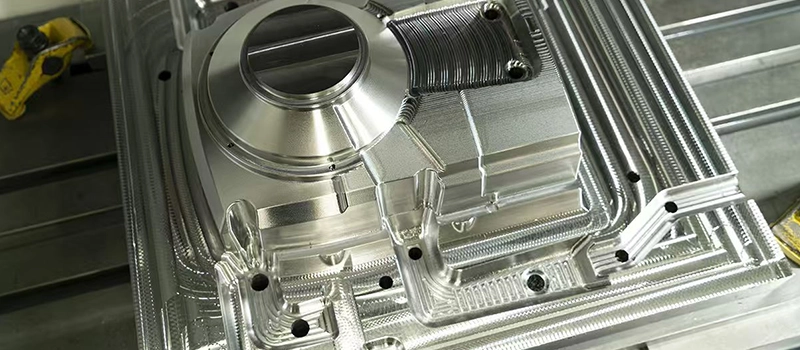
- Thermal fatigue occurs due to repeated heating and cooling during casting cycles, especially in high-pressure die casting. The surface expands and contracts at different rates, which eventually forms microcracks that spread and weaken the tool structure.
- Mechanical stress comes from injection pressure, metal turbulence, and ejection forces. Over time, this continuous stress causes deformation, cracking, or even complete breakage of critical tool components.
- Material degradation includes erosion, oxidation, and chemical attack from molten metals or release agents, especially if poor-quality lubricants or aggressive casting alloys are used.
These wear mechanisms interact and worsen over time. For example, a crack caused by thermal fatigue can become a fracture point under mechanical pressure. Similarly, worn or oxidized surfaces lose protective coatings faster, accelerating the cycle of failure.
It’s also important to recognize that different casting processes—like die casting, sand casting, and investment casting—subject tooling to different levels and types of stress. A die casting mold may undergo thousands of high-pressure, high-temperature cycles, while a sand casting pattern might face mostly abrasive wear from sand particles.
Ultimately, tooling life is more than just a technical specification—it’s a direct cost factor and a quality control metric. When molds fail prematurely, you lose time, scrap more products, and pay more for replacement tools. Extending tooling life means more stable production, better quality control, and increased profit margins.
Machining Accuracy and Surface Engineering: Critical for Cast Tooling Life and Efficiency
Precision machining ensures dimensional integrity
In casting operations, accurate machining of molds helps maintain tight tolerances that prevent metal leaks, flashing, and early tool failure. Even the smallest dimensional error can cause concentrated stress, leading to cracks or rapid wear, which shortens cast tooling life.
Poor surface finish accelerates wear
Rough surfaces increase friction, trap heat, and encourage molten metal adhesion. These factors heighten the risk of thermal fatigue, surface erosion, and oxidation—resulting in reduced tooling life and casting efficiency.
Stress concentration must be minimized
Tool geometry should avoid sharp corners, notches, or sudden transitions. Smooth contours and radii help distribute mechanical and thermal stress evenly across the tool, extending mold durability.
Surface treatments improve mold resistance
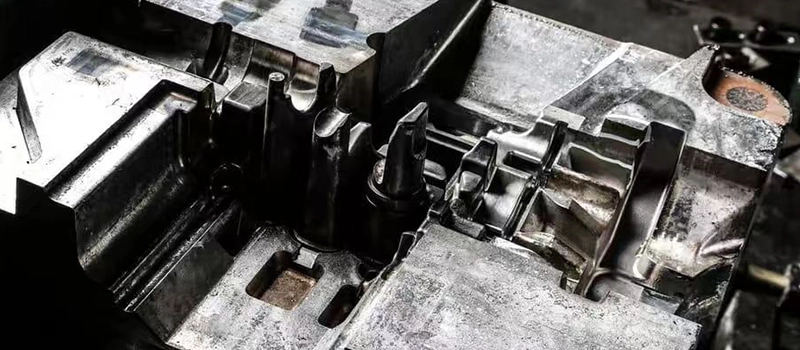
Advanced coatings like PVD (Physical Vapor Deposition), nitriding, and thermal spray harden the mold’s exterior. These reduce oxidation, galling, and thermal cracking, allowing cast molds to operate longer under extreme conditions.
Real production improvements
Factories using precision machining combined with surface treatment have reported cast tooling life improvements of up to 40%, with fewer casting defects and longer maintenance intervals.
Process Conditions and Tooling Stress
Casting process variables directly affect tooling life
Every casting cycle subjects the mold to extreme heat, pressure, and material flow. If process parameters are not tightly controlled, they can drastically reduce cast tooling life. Metal temperature, injection speed, and pressure all determine how much stress the mold endures per cycle.
Molten metal temperature and flow dynamics
When molten metal is too hot, it causes thermal shock and accelerates surface oxidation. Conversely, if the flow rate is turbulent or the gating system is poorly designed, metal impinges on the mold cavity walls with excessive force, leading to localized erosion and wear. Efficient flow and well-balanced gating reduce thermal cycling and extend mold life.
Heat management and thermal cycling
Cast molds expand and contract with every heat cycle. Uneven heating or insufficient cooling leads to thermal fatigue—one of the primary causes of cracks and fractures in tooling. Effective heat management systems and consistent temperature control can significantly improve casting efficiency and extend tooling life.
Lubrication and mold release agents
Lubricants and release agents reduce friction and prevent metal adhesion to mold surfaces. However, the wrong type or amount can be damaging. Excessive or incompatible agents leave residues that cause chemical buildup, while insufficient lubrication increases friction and thermal load. Proper selection and controlled application protect both surface finish and tool longevity.
Environmental and equipment-related stress
Ambient conditions like humidity, dust, and temperature variation can accelerate mold corrosion. In addition, poorly maintained casting machines may introduce vibration, misalignment, or inconsistent pressure—placing unnecessary mechanical stress on the tooling. Preventative equipment maintenance and a clean working environment are essential to protect mold integrity.
Tooling life loss from overlooked process variables
When manufacturers neglect these process conditions, tooling life decreases rapidly. Studies and internal testing have shown that even minor fluctuations in injection speed or mold temperature can reduce cast tooling efficiency by over 20%. Tight control of all process variables is necessary for consistent mold performance and long-term cost savings.
Tooling Maintenance and Lifecycle Management
Cast tooling life depends on proactive maintenance
Without structured maintenance, cast molds lose efficiency quickly. The life of casting tools is closely tied to how frequently they’re inspected, cleaned, refurbished, and tracked. Inconsistent upkeep leads to premature failures, casting defects, and reduced overall tooling life.
Regular inspection keeps cast tooling efficient
Visual inspections and dimensional checks should be performed after a specific number of cast cycles. Cast molds that operate under high thermal stress or complex metal flow must be inspected more frequently to preserve tooling life. Checking for cracks, erosion, and dimensional distortion allows early intervention—protecting tooling life and casting efficiency.
Proper cleaning extends casting mold life
Cleaning cast tooling is more than a surface task—it protects both surface coatings and internal geometry. Using non-abrasive tools and chemical-safe solutions removes build-up without damaging the mold. Improper cleaning techniques can scratch, corrode, or chemically degrade molds, reducing cast tooling life and compromising production efficiency.
Refurbishment prevents costly mold failure
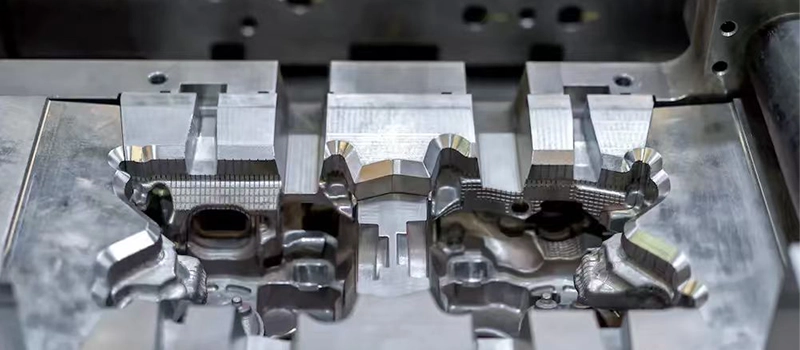
Well-timed refurbishment keeps molds in casting-ready condition. Common refurbishing practices include re-polishing surfaces, repairing flash areas, re-coating high-wear zones, and replacing inserts. These actions restore tooling life and help molds maintain casting precision and efficiency over thousands of additional cycles.
Cast tooling life tracking improves decision-making
Modern casting operations benefit from tooling lifecycle tracking systems. RFID tags or QR codes on cast molds allow teams to monitor usage, wear patterns, and maintenance history. This data-driven approach maximizes tooling life, avoids sudden failures, and supports predictive maintenance scheduling.
Predictive maintenance increases casting efficiency
Predictive maintenance ensures cast tooling receives service before failure occurs. By monitoring temperature fluctuations, cycle counts, and tooling wear, manufacturers can intervene precisely when needed—extending tooling life, preventing downtime, and optimizing casting efficiency.
Efficiency, Cost Impact, and Optimization Strategy
Cast tooling life increases efficiency and reduces cost
Cast tooling life plays a dominant role in casting efficiency, tooling cost, and production output. When cast molds last longer, the efficiency of every cast cycle improves. Better tooling life means lower tooling replacement rates, fewer defective cast parts, and more predictable casting operations. Extending cast tooling life directly enhances casting efficiency.
Casting downtime hurts tooling efficiency
Unplanned downtime due to failed cast molds destroys casting efficiency. Short tooling life causes repeated shutdowns, disrupting production flow. When tooling life is low, cast molds must be replaced frequently, hurting both tooling efficiency and casting output. Extending tooling life ensures higher mold availability and casting efficiency throughout the production lifecycle.
Investing in better molds boosts cast tooling life
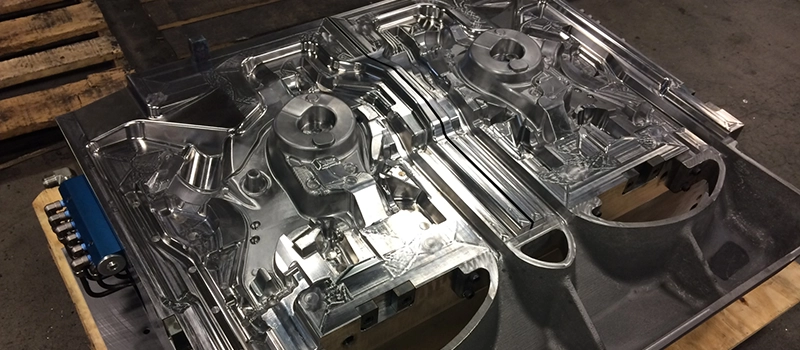
Choosing premium mold steel, applying protective coatings, and optimizing surface treatment are proven ways to increase cast tooling life. These enhancements extend the durability of cast molds and improve casting efficiency by reducing surface wear and tooling failures. The longer the tooling life, the higher the casting efficiency and mold performance.
Data drives decisions in cast tooling optimization
Modern factories that track cast tooling life metrics and casting efficiency data make better decisions. Monitoring cast cycle counts, mold failures, and tooling maintenance allows real-time control of cast tooling life. Using this data, teams can extend cast mold performance and optimize tooling efficiency across every casting batch.
Continuous improvement in tooling life drives global efficiency
To remain competitive, casting companies must continuously improve cast tooling life. Reviewing cast mold performance, evaluating tooling materials, and refining casting processes all contribute to casting efficiency. When cast tooling life improves, casting efficiency increases, costs go down, and global competitiveness rises.
Conclusion
Extending cast tooling life isn’t just a technical upgrade—it’s a strategic decision that improves casting efficiency, reduces costs, and strengthens output quality. From material selection to surface engineering, from process control to predictive maintenance, every action you take adds cycles, saves money, and protects your molds. In today’s competitive manufacturing environment, efficient cast tooling isn’t optional—it’s essential.