Are you seeing strange raised bubbles or bulges on your cast parts? Do these flaws only show up after machining or surface treatment? Could this be the start of a serious product failure? Blister defects in metal casting are often hidden, dangerous, and can silently ruin an entire production batch—costing time, money, and customer trust.
A blister in metal casting is a surface defect caused by trapped gases or moisture beneath the metal surface during solidification. These defects are not only cosmetic—they can compromise mechanical strength, cause dimensional inaccuracy, and lead to early part failure. The American Foundry Society (AFS) notes: “Surface defects like blisters can be symptomatic of deeper process issues that reduce casting reliability and customer satisfaction.”
To stop blisters before they start, we need to understand their causes, identify them correctly, and apply targeted prevention strategies. In this article, I’ll walk you through the blister defect in casting—from detection to 7 proven ways to prevent it—so your castings stay strong, clean, and compliant with international standards.
What Is a Blister in Metal Casting?
Understanding the Surface Appearance of a Blister
A blister in metal casting is a surface defect that forms as a raised, rounded deformation caused by trapped gases or moisture beneath the solidified metal surface. These gases expand during cooling, lifting the surface layer and creating a dome-like structure that can vary in size depending on the casting conditions.
Blisters often become visible during or after machining, and their appearance may change as more material is removed. In the early stages, a blister may look like a small bump, but after processing, it may reveal a shallow subsurface cavity. While a blister may appear minor, its presence indicates that the casting process experienced abnormal gas buildup, moisture retention, or insufficient venting.
A blister generally maintains a smooth, curved surface and does not break through the metal layer unless the casting undergoes stress or mechanical finishing. Multiple blisters can signal broader mold or metal handling problems, such as improper sand preparation, contamination, or inconsistent pouring conditions.
How Blisters Differ from Other Casting Defects
Blisters are commonly confused with other casting defects, particularly gas porosity, scabs, and blowholes. Gas porosity usually appears as small pits or clusters of holes, whereas a blister forms a larger, singular, raised area that distorts the surface. This difference in appearance is key to correctly diagnosing the defect.
A scab differs because it involves mold material detaching and bonding to the metal surface, creating a rough, irregular defect rather than a smooth blister. Blowholes, although also gas-related, form entirely inside the casting rather than lifting the surface layer. Misinterpreting a blister as one of these other defects can lead to incorrect process adjustments, prolonging production issues.
Understanding the distinction between these defects helps a production team develop targeted corrective actions. Proper identification ensures that adjustments in venting, mold moisture control, or metal handling reduce or prevent blister formation.
Why a Blister Is More Than a Cosmetic Problem
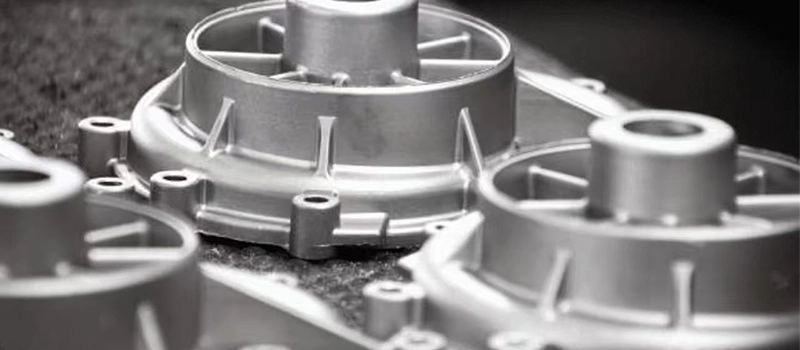
A blister affects more than surface appearance. The raised area can alter dimensional accuracy, interfere with fit or assembly, and complicate finishing processes such as painting, galvanizing, plating, or welding. The defect may also weaken the bond between surface metal and underlying structure, reducing the mechanical reliability of the part.
In load-bearing or safety-critical applications, even a small blister can be a warning of internal instability. Stress, vibration, or impact forces can cause the thin surface layer over the blister to crack or peel, potentially leading to premature failure. This makes early identification and prevention important for maintaining consistent product performance.
Additional Notes on Surface Integrity
Blisters increase inspection costs and reduce production efficiency. Even if repair is possible, the extra time spent handling and evaluating blistered castings reduces throughput and raises overall production costs. For manufacturers and buyers alike, preventing blister defects is far more sustainable than reworking defective components.
What Causes Blisters in Casting?
Gas-Related Issues During Solidification
Trapped gases beneath the surface
One of the primary contributors to surface deformation in casting is gas that becomes trapped beneath the solidifying metal. As molten metal begins to freeze, any residual gas—such as hydrogen, carbon monoxide, or air—can expand beneath the surface layer. This buildup of internal pressure creates a localized bulge, which becomes visible as a raised defect once the casting cools.
Gas from turbulent metal flow
The source of these gases can vary. Turbulent metal flow during pouring introduces air, while reactions between the metal and mold materials can generate hydrogen or carbon-based gases. These gases need escape paths through the mold to avoid accumulation near the surface.
Susceptible metals
Some metals, like aluminum or magnesium, are more prone to this issue due to their higher gas solubility. Without proper degassing, these materials can release dissolved gases during solidification, resulting in surface expansion.
Moisture and Core Drying Problems
Steam generation during pouring
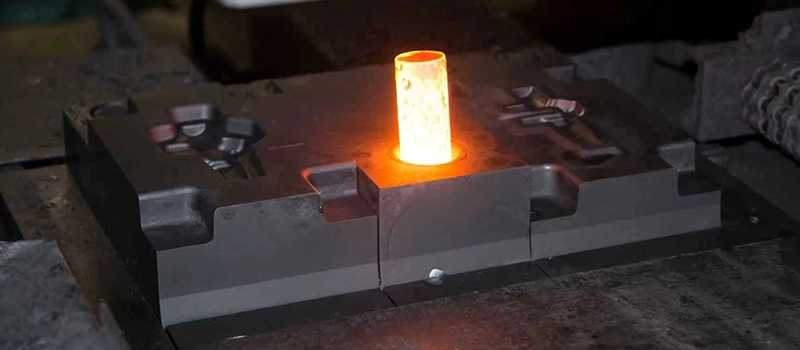
Another common cause is moisture trapped in the mold or core materials. When molten metal makes contact with even small amounts of water, it instantly generates steam. The sudden expansion of vapor beneath the surface layer can create dome-shaped deformations that are visible after cooling.
Insufficient drying procedures
Cores with thick walls, deep pockets, or limited airflow require longer drying times. In some production environments, especially under high humidity or tight schedules, cores may be placed in molds before they are completely dry. This can lead to steam generation within seconds of pouring, causing localized surface lift.
Environmental factors
Changes in ambient humidity, inconsistent core storage conditions, or use of reclaimed sand without proper moisture control can all contribute to this issue. Even if drying times are sufficient under normal conditions, seasonal variations may require adjustments to standard procedures.
Mold Venting and Gas Escape Design
Venting layout and permeability
A well-ventilated mold allows air and vapor to escape as molten metal enters. If venting is inadequate or blocked, gas becomes trapped within the cavity. This gas will migrate toward the interface between the mold and metal, and if it cannot escape in time, the pressure forces the surface outward during solidification.
Venting in complex molds
Castings with intricate shapes or deep pockets require special attention to venting design. Sharp corners, enclosed cavities, and overhanging sections often trap air and gases unless vent channels are properly positioned. Without effective venting, surface defects become difficult to avoid.
Binder and mold material limitations
Low-permeability sand systems or chemically bonded cores may not allow enough gas to pass through, especially if no dedicated vents are provided. In these cases, compensating with mechanical vents or adjusted pouring techniques is essential.
Influence of Alloy Composition and Cleanliness
Impurities that promote gas formation
Casting alloys that include excessive impurities can increase the risk of gas buildup. Elements such as sulfur, phosphorus, or moisture-sensitive oxides may react during pouring and create gases near the mold wall. These gases, if not managed, can contribute to surface swelling or deformation.
Contaminated scrap and inclusions
Using recycled metals or contaminated charge material introduces variability in melt quality. Oxides, slag, or non-metallic inclusions may act as nucleation sites for gas entrapment or block gas from escaping, resulting in raised areas on the casting surface.
Importance of melt treatment
To reduce this risk, foundries often apply degassing procedures and use fluxes or filters to clean the melt. Furnace maintenance and regular skimming practices also help eliminate surface contamination that could contribute to gas-related surface issues.
How to Detect and Identify a Blister
Surface Indicators of a Raised Defect
Visual cues on raw and finished castings
Blister defects are typically recognized by their distinctive raised, rounded shape on the casting surface. In the raw state, the area may look like a smooth hump, often mistaken for a harmless irregularity. During machining or surface treatment, however, the true nature of the defect becomes more apparent as the metal layer over the cavity collapses or exposes a shallow void beneath.
The size of a blister can vary depending on the severity of gas buildup or moisture content during casting. Some may be just a few millimeters across, while others cover larger surface areas. If the casting is painted or coated without detection, the blister may later rupture, leading to delamination or corrosion under the coating.
Parts with consistent wall thickness and a smooth surface finish will reveal such defects more easily. On rougher surfaces, visual detection may be more difficult without proper inspection lighting or magnification tools.
Common locations where blisters appear
Blisters often form in regions where gases are likely to accumulate. These include corners, thick sections, blind holes, and areas with restricted venting. They may also appear on horizontal surfaces or sections with prolonged solidification times, where trapped gases have more time to exert pressure against the solidifying skin.
Understanding the casting geometry can help inspectors prioritize which areas to examine more closely during post-casting evaluations.
Non-Destructive Testing Methods
Dye penetrant testing for surface flaws
For shallow or fine blisters, dye penetrant testing is a common inspection method. The part is cleaned and coated with a colored liquid that seeps into surface discontinuities. After a brief dwell time, the excess dye is removed and a developer is applied. Any dye trapped in surface cavities will become visible as a highlighted indication.
This method is effective for identifying surface-connected defects but may not reveal closed blisters or internal bulges that do not break through the outer layer.

Ultrasonic inspection for subsurface swelling
Ultrasonic testing can detect internal separation or gas cavities beneath the surface. High-frequency sound waves are transmitted into the casting, and the returning echoes are analyzed. A blister will often show up as a change in reflection or an unexpected boundary layer. This method is suitable for thick-walled components where surface inspection may not be sufficient.
Radiographic testing for internal gas pockets
For critical applications, radiographic inspection (X-ray) provides a more detailed view of the internal structure. It can detect trapped gas or blister-like cavities that form close to the surface. However, the method requires access to radiography equipment and trained personnel, making it more appropriate for high-value castings or failure analysis.
Distinguishing Blisters from Similar Defects
Porosity vs. blister
Porosity consists of small, often spherical holes scattered through the casting, whereas a blister is generally a localized, raised area with a smooth surface. Porosity is usually caused by dissolved gases within the metal, while a blister forms from gas trapped between the mold and solidifying skin. In appearance, porosity shows up as pits or clusters, not domes or bulges.
Blowhole vs. blister
Blowholes are larger, internal gas cavities that occur deeper within the casting, often due to turbulence during pouring. They may not affect the surface directly unless they are near enough to distort it. In contrast, a blister is specifically a near-surface phenomenon, formed by pressure from gas that lifts the surface layer during freezing.
Scab vs. blister
Scabs are surface defects where a portion of sand mold or core breaks away and fuses into the casting, leaving a rough, crusty area. A blister has no external material intrusion and appears smoother. Scabs tend to have irregular outlines and embedded material, while blisters are rounder and cleaner in shape.
Practical Considerations in a Production Setting
When and where to inspect
Blister detection should occur after casting but before surface treatments such as painting, heat treatment, or assembly. If detected early, the part can be reprocessed, repaired, or scrapped without additional cost. Late detection may lead to returned goods, project delays, or field failure.
In high-volume operations, visual inspection may not catch every defect, so selecting an appropriate inspection strategy based on casting size, complexity, and application is critical. Training inspection staff to recognize subtle signs is also an important step in reducing quality escapes.
Impact of Blisters on Product Quality and Delivery
Functional and Mechanical Consequences
Weakening of surface integrity
Blisters can compromise the mechanical strength of cast components. Although these defects may appear superficial, the underlying gas pocket disrupts the continuity of the metal structure. When the casting is subjected to mechanical stress, fatigue, or vibration, these weakened areas are more likely to crack or deform.
The surface layer above the blister often has reduced thickness, which limits its ability to handle compressive or tensile loads. In structural or load-bearing applications, even a small defect near the surface can contribute to long-term failure under normal operating conditions.
Issues during machining and finishing
Raised surfaces interfere with standard machining operations, especially when tight tolerances are required. If a blister is cut during milling or drilling, it can collapse or open, exposing a cavity that affects dimensional accuracy. The sudden change in material density may also cause tool wear or chatter, leading to additional processing time and potential tool damage.
In grinding or surface polishing operations, a blister may disrupt the uniformity of the finish. More aggressive rework may be needed to level the area, resulting in additional labor and material removal that can reduce part thickness beyond acceptable limits.
Effects on Surface Treatments and Assembly
Complications in coating processes
Surface defects like blisters can cause serious issues during painting, plating, or galvanizing. The defect may not be visible before coating, but the trapped gas can expand during curing or baking processes, pushing the coating to bubble or crack. This leads to poor adhesion, inconsistent coverage, and reduced corrosion resistance.
If the coating is applied over a blister and later fails, the defect may serve as a starting point for rust, delamination, or surface flaking. These failures often require full part reprocessing or rejection by end users, especially in industries with strict quality standards.
Misalignment in assembly and fit-up
Blisters can affect flatness, parallelism, and surface contact—causing difficulties in assembling mating parts. Raised areas can introduce misalignment in bolted joints, uneven gasket compression, or excessive wear in moving assemblies. Even a minor elevation of a few tenths of a millimeter may interfere with functional fit, particularly in applications involving seals or high-speed movement.
The result is often increased assembly time, need for manual adjustments, or field service issues after installation. This not only affects internal efficiency but may also result in warranty claims or damage to customer relationships.
Production and Delivery Impacts
Increased scrap and rework rates
Casting defects directly affect production yield. If a blister is discovered after the part has been machined, coated, or partially assembled, it is often too late to salvage the component without rework. In many cases, the most cost-effective solution is to scrap the part and restart the casting process—leading to higher material consumption and downtime.
Rework itself may involve grinding, filling, or local welding, which adds labor and may not fully restore the part to original specifications. In regulated industries or where traceability is required, reworked parts may be rejected regardless of functionality.
Delayed delivery and missed schedules
Quality control failures caused by surface defects often delay production schedules. If multiple parts are affected in a single batch, the delay can cascade through downstream processes, including heat treatment, assembly, and shipping. Late-stage discoveries—such as during final inspection or packing—can have a significant impact on delivery timelines.
Customers that operate on just-in-time systems or have project-critical timelines are especially sensitive to delivery delays. Repeated quality issues can lead to order cancellations or the search for alternative suppliers, which damages both short-term revenue and long-term trust.
Reputational and Financial Risk
End-user rejection
Buyers who receive defective components may reject entire shipments based on the presence of a few flawed items. This risk increases when the defect is not visible on arrival but appears during later stages of integration or field operation. Once this occurs, the supplier may be held responsible for all affected components, even if the defect is isolated.
In some markets, particularly those with regulated quality systems, any defect can trigger formal complaint processes, audits, or blacklisting from approved vendor lists.
Long-term cost implications
Even if individual defects seem small, their long-term financial impact can be significant. Defect-related rework, returns, express shipping of replacements, and the administrative effort involved in quality claims all add up. When added to the risk of lost customers or damaged brand image, blisters become a concern that goes beyond a single defective part.
7 Practical Ways to Prevent Blister Defects
1. Improve Mold Venting and Gas Permeability
Provide adequate gas escape paths
One of the most effective ways to prevent surface defects is by designing molds that allow gases to escape quickly and evenly. Proper venting prevents pressure buildup beneath the metal surface during solidification. In green sand molds, using coarser sand grains or adjusting the compacting force can enhance permeability without sacrificing surface finish.
Optimize vent layout
In complex castings, it’s essential to analyze potential gas trap areas and add vents where needed. High points, deep cavities, and enclosed sections are frequent trouble spots. Additional risers or overflow channels may also assist in controlling internal pressure.
2. Ensure Thorough Core and Mold Drying
Dry all components fully before use
Residual moisture is a major contributor to steam-related defects. Cores and molds should be dried thoroughly, especially when using water-based binders or chemical hardening systems. Even low levels of trapped moisture can produce enough vapor to disrupt the casting surface.
Monitor drying conditions
Consistent drying temperatures and humidity control are essential. Overloading ovens, using uneven airflow, or storing cores in damp areas can cause incomplete drying. Regular checks using moisture meters or weight-loss methods help maintain process reliability.
3. Use Dry Sand and Appropriate Binders
Maintain consistent sand moisture levels
Sand used in molding or core production must be dry and stable. High moisture levels increase the chance of vapor formation during pouring. Regular sand testing for water content, temperature, and grain size distribution is essential in managing this risk.
Choose low-gas binders
Some binder systems generate more decomposition gases than others. Selecting binders with reduced off-gassing properties, especially for core production, minimizes internal gas generation. In critical applications, switching to inorganic or low-humidity systems may provide additional protection.
4. Degas Molten Metal and Maintain Purity
Remove dissolved gases before pouring
Molten metal naturally absorbs gases during melting. If not removed, these gases are released during cooling, potentially forming subsurface bulges. Degassing procedures such as rotary impeller systems or inert gas injection help lower gas content before casting.
Use clean charge material
Contaminated scrap or inconsistent charge mixtures introduce impurities that react to form unwanted gases. Pre-cleaning, using verified materials, and avoiding heavily oxidized scrap can reduce risk. Furnace cleanliness and proper fluxing also play a key role in maintaining melt quality.
5. Control Pouring Temperature and Speed
Avoid overheating the metal
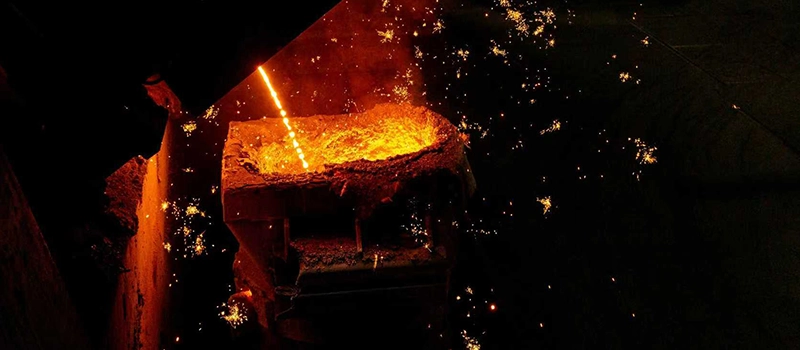
Excessive pouring temperatures can accelerate gas generation in molds and cores, especially when moisture or reactive binders are present. Using temperature-controlled pouring methods and staying within recommended limits reduces this risk.
Minimize turbulence during filling
Fast or uneven metal flow introduces air into the mold cavity. This increases the chance of gas entrapment near the surface. Gentle, bottom-up pouring systems or properly angled gates help control metal entry and reduce air ingestion.
6. Apply Uniform Cooling Techniques
Prevent uneven solidification
Blisters are more likely to form in regions that solidify unevenly. If one part of the casting cools slower than the rest, trapped gases have more time to accumulate. Using chillers, adjusting mold material, or applying cooling sleeves can help balance cooling rates.
Avoid thermal stress zones
Sharp transitions, varying wall thickness, or large flat areas may require design adjustments or targeted cooling. These regions are prone to thermal stress, which may allow gas to push up the surface as the surrounding metal contracts.
7. Maintain Pattern, Tooling, and Mold Integrity
Inspect molds for wear and damage
Damaged patterns or worn tooling can create uneven mold surfaces or improper venting paths. Routine inspection and maintenance help ensure molds remain consistent and capable of performing as designed.
Verify pattern sealing and surface quality
If the mold surface has small gaps or inconsistent texture, gases can collect in those areas during pouring. Ensuring good contact between pattern and mold surface helps prevent gas concentration beneath the surface layer.
Troubleshooting Blister Defects During Production
Immediate Response to Detected Defects
What to do when a surface bulge is found
When a raised surface is identified during production—whether in a trial run, first article inspection, or mass production—the first step is to isolate the affected parts and confirm the presence of a defect. Not all raised features indicate blistering; it’s important to verify by machining the area, performing a dye penetrant test, or consulting inspection records.
If confirmed, determine the extent of the issue. If the defect is found on a single part, it may be due to a localized issue such as uneven mold venting. If multiple parts show similar symptoms, a broader process problem is likely, such as mold moisture, improper drying, or melt contamination.
Stop or continue?
Deciding whether to halt production depends on the nature and frequency of the defect. For isolated cases that occur early in the batch, stopping production is often the best course to prevent additional losses. However, if delivery deadlines are tight, some operations may choose to continue under controlled conditions while investigating the cause in parallel.
When production continues during troubleshooting, implement enhanced inspection at key process stages to catch further occurrences before parts reach downstream operations.
Investigating the Root Cause
Structured approach to defect analysis
Begin by examining recent changes to materials, processes, or environmental conditions. Review mold drying logs, metal temperature records, and pouring practices. Moisture levels in sand, core curing time, and mold vent placement should all be evaluated.
Interviewing operators and reviewing batch records can also uncover subtle shifts that contribute to defect formation. Check for signs of condensation on stored molds or cores, inconsistent binder performance, or poor degassing system operation.
Use of control charts and defect mapping
Mapping defect locations on affected parts may reveal patterns that point to venting issues, mold flow imbalances, or thermal gradients. Control charts can highlight abnormal variation in process parameters, providing further insight into when and where the issue began.
If resources allow, compare defect-free parts with blistered ones to determine differences in surface condition, metal structure, or thermal behavior.
Rework and Salvage Options
Can blistered parts be repaired?
Minor surface defects may sometimes be repaired by grinding or local weld fill, followed by machining and inspection. This is generally acceptable for non-critical parts or those without strict mechanical or aesthetic requirements. However, reworked parts should always be clearly identified and subjected to full inspection before acceptance.
For structural components, or where surface uniformity is important, rework may not be advisable. Repair processes can introduce heat-affected zones, dimensional shifts, or visual inconsistencies that affect overall quality.
Cost analysis of salvage vs. scrap
In many cases, the cost of rework—including labor, inspection, and potential warranty risk—may exceed the cost of remelting and recasting the part. When production schedules allow, scrapping defective components and correcting the root cause is often more efficient in the long term.
Decisions should be made based on part criticality, end-user expectations, and contractual obligations regarding surface and dimensional quality.
Communication With the Foundry Team
Establishing a clear feedback loop
Effective communication between the casting supplier and the inspection or engineering team is essential for resolving surface defect issues. Provide clear photos, defect descriptions, and locations to the foundry as soon as problems are found.
Open technical discussions should cover mold design, venting layout, binder curing parameters, and melt preparation. Prompt and structured feedback allows the supplier to adjust their process quickly, avoiding repeated defects in future batches.
Documenting the corrective action
Once the cause is identified, a corrective action plan should be documented and reviewed by both parties. This includes changes to drying procedures, vent location, metal treatment, or process timing. Future orders should include updated specifications or inspection checkpoints to verify that the issue has been resolved.
This level of collaboration reduces long-term risk and improves trust between the customer and the casting provider.
Learning From the Incident
Using quality data to prevent recurrence
Recording defect incidents in quality databases or part histories helps prevent repeated issues over time. Patterns that emerge across different orders or alloys can be used to refine best practices, improve drawings, or strengthen internal specifications.
Post-mortem reviews and production audits ensure that lessons are captured and shared across teams. The insights gained from one occurrence can lead to improved quality across multiple product lines.
Conclusion
Blister defects may seem minor, but their impact on casting quality and production efficiency is significant. With careful process control, early detection, and targeted prevention, manufacturers can reduce risk, improve reliability, and maintain customer confidence in every delivered part.