
Medium Carbon Steel: Powerful Properties and Industrial Uses
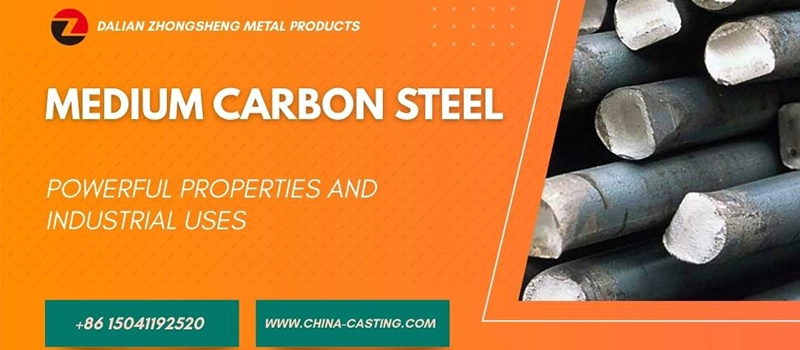
Medium carbon steel is widely used in engineering because it provides a balanced combination of strength, hardness, and toughness. This article explains its composition, mechanical properties, advantages, manufacturing processes, common grades, and industrial applications in machinery and industrial equipment.
High Carbon Steel: Powerful Properties and Uses
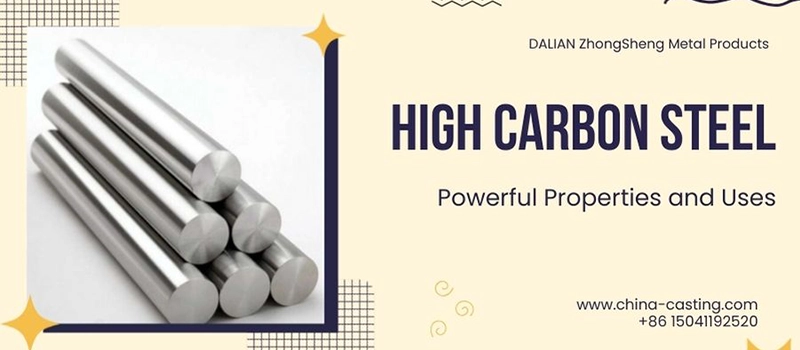
High carbon steel is known for its exceptional hardness, strength, and wear resistance. This article explains the composition, mechanical properties, advantages, manufacturing processes, common types, and industrial applications of high carbon steel, helping readers understand why it is widely used in tools, springs, blades, and other high-performance components.
Low Carbon Steel: Powerful Properties, Advantages and Uses
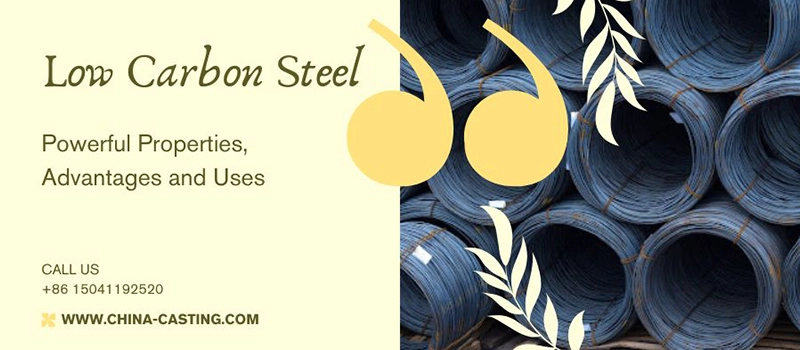
Low carbon steel is one of the most widely used engineering materials due to its excellent ductility, weldability, and cost efficiency. This article explains the composition, mechanical properties, advantages, manufacturing processes, and common uses of low carbon steel, while also comparing it with other types of steel used in modern industrial applications.
Centrifugal Casting: Process, Advantages and Uses
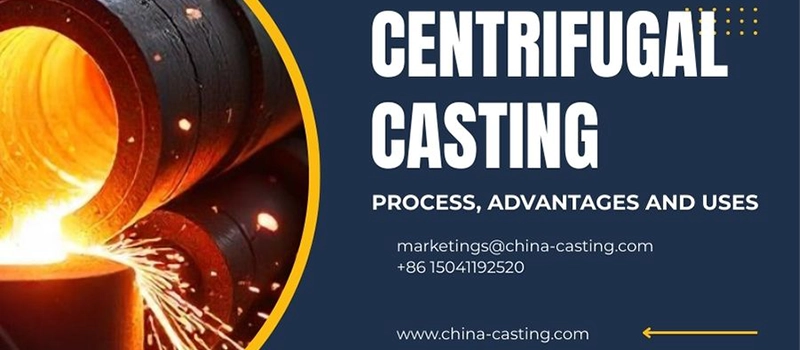
Centrifugal casting is a metal casting process that uses rotational force to distribute molten metal inside a mold. The method produces dense cylindrical components with strong mechanical properties and reduced internal defects. It is widely used to manufacture pipes, tubes, bushings, and liners for industrial equipment. This article explains the centrifugal casting process, its advantages and limitations, commonly used materials, and its applications across various industries.
Sheet Metal Process Glossary Authoritative Guide

This Sheet Metal Process Glossary provides a comprehensive technical reference covering sheet metal fundamentals, materials, cutting processes, bending and forming methods, stamping systems, joining technologies, surface treatments, and inspection standards. By clearly defining essential terminology, this Sheet Metal Process Glossary strengthens process control, dimensional accuracy, production efficiency, and quality consistency in modern sheet metal manufacturing systems.
Forging Process Glossary Authoritative and Complete Guide
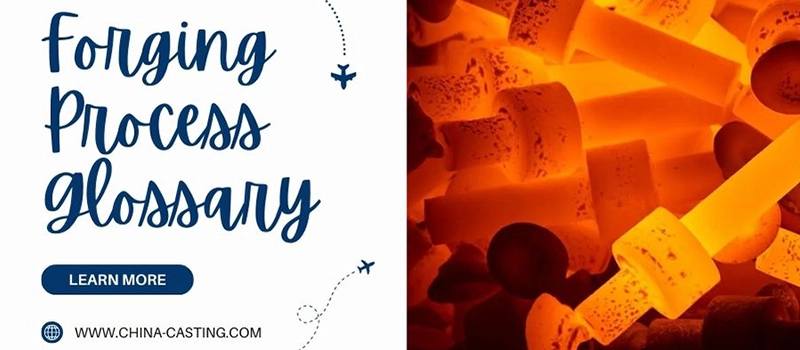
This Forging Process Glossary provides a comprehensive technical reference covering forging fundamentals, equipment systems, die design, forming methods, metallurgical principles, defect analysis, and inspection terminology. By clearly defining essential forging terms, this Forging Process Glossary improves communication, process control, mechanical performance, and quality consistency in modern industrial forging operations.
Casting Process Glossary Explained Clearly
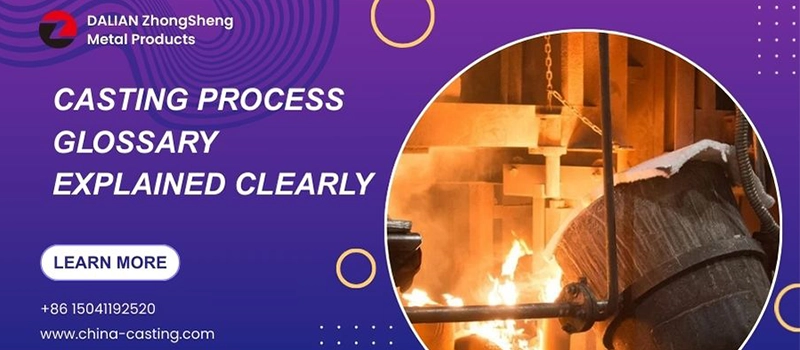
This Casting Process Glossary provides a comprehensive technical reference covering casting fundamentals, mold and pattern design, melting and pouring practices, casting methods, solidification theory, defect analysis, and quality inspection terminology. By standardizing essential casting terminology, this Casting Process Glossary improves communication, defect prevention, and process control across modern foundry manufacturing systems.
CNC Machining Glossary Explained Clearly and Professionally
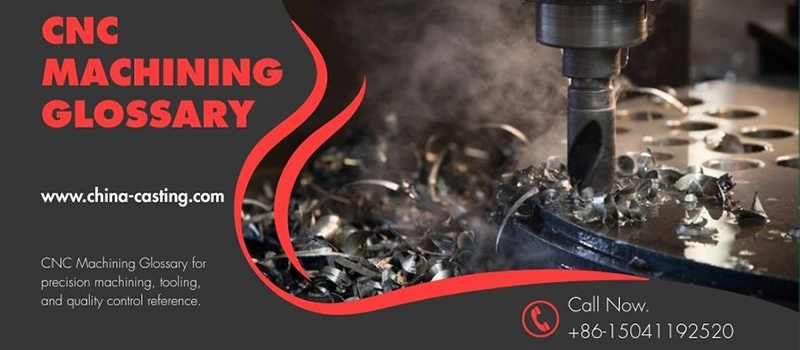
This CNC Machining Glossary provides a comprehensive and structured reference covering fundamental machining concepts, machine structures, cutting tools, machining processes, and precision control terminology. By clearly defining essential CNC machining terms, this CNC Machining Glossary supports accurate communication, optimized production efficiency, and consistent quality standards in modern manufacturing environments.
CNC Machining Materials: Essential Guide to the Best Choices
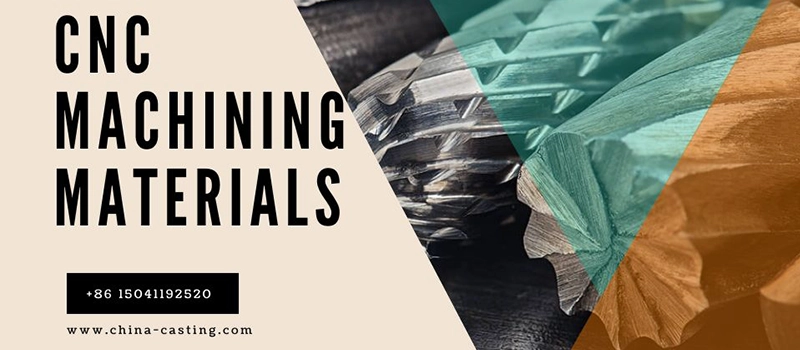
CNC machining materials directly influence machining efficiency, tool life, dimensional stability, and overall production cost. This guide explains material types, performance factors, machining process compatibility, and the scientific principles behind material behavior. By understanding mechanical properties, thermal characteristics, and machinability, manufacturers can make informed decisions that balance strength, precision, and cost-effectiveness.
