Selecting aluminum foundry materials without process alignment remains a common cause of failure in casting production. Each casting method—die casting, sand casting, and mold casting—requires specific alloy properties to function effectively.
When aluminum casting materials are poorly matched to pressure, cooling rate, or mold type, defects such as porosity, shrinkage, or poor dimensional control often follow. These failures increase scrap rates, reduce efficiency, and compromise the structural performance of cast components. Post-processing also becomes more difficult when aluminum alloys respond unpredictably during machining or finishing.
Reliable casting requires aluminum materials that support the unique thermal and mechanical demands of each process. A well-informed alloy selection minimizes defects, improves production consistency, and strengthens performance across all stages of aluminum casting.
Material Behavior in Die, Sand, and Mold Casting
The relationship between casting method and aluminum behavior
Each casting method—die, sand, and mold—imposes distinct conditions that influence how aluminum foundry materials behave. These processes differ not just in tooling and cycle time, but in thermal gradients, cooling rates, pressure, and fill characteristics. As a result, the suitability of an aluminum alloy depends not only on its composition but also on how it reacts within the parameters of the chosen casting method.
Aluminum foundry materials under high-pressure die casting
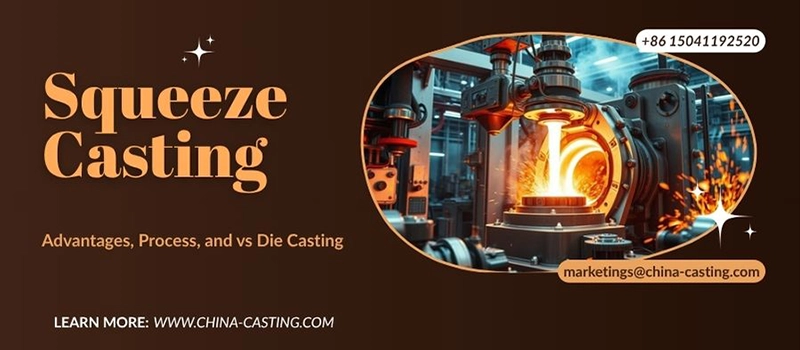
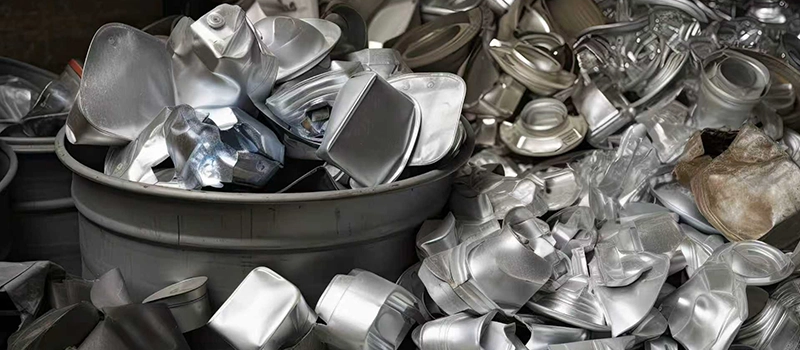
Die casting applies high pressure to force molten aluminum into a steel mold at high speed. This process favors alloys with excellent fluidity and short solidification ranges, allowing precise fills with minimal porosity. Common die casting materials such as A380 are selected for their ability to flow well under pressure and deliver thin-walled, high-strength parts. However, these alloys typically contain higher silicon content, which limits their weldability and ductility.
Key traits of die casting-compatible alloys:
- High casting pressure tolerance
- Excellent flow characteristics
- Controlled shrinkage during rapid solidification
- Reduced gas entrapment under fast fill rates
Sand casting and its impact on aluminum alloys
Sand casting is more flexible in tooling but introduces slower cooling and less thermal conductivity. Aluminum foundry materials used in sand casting must resist hot tearing and maintain dimensional integrity despite a coarse mold surface. A356 and 319 alloys are commonly used here, as they offer good castability and mechanical performance even under slower solidification conditions.
Considerations in sand casting:
- Alloys must accommodate slower heat dissipation
- Larger grain structures form due to extended cooling
- Dimensional precision is lower than in die casting
- Surface finish is coarser but acceptable for structural parts
Permanent mold casting and repeat thermal cycling
Permanent mold casting uses reusable metal molds without the pressure found in die casting. This process relies on gravity or low-pressure fill and produces components with better surface finish and dimensional consistency than sand casting. Aluminum foundry materials for this method must strike a balance between flow and resistance to thermal fatigue. A356 is frequently chosen due to its favorable strength-to-weight ratio and good response to T6 heat treatment.
Material behavior under mold casting:
- Alloys need moderate fluidity for gravity filling
- Low impurity levels improve fatigue resistance
- Materials must withstand repeated heating/cooling without cracking
Matching casting environment to alloy behavior
The success of aluminum casting depends heavily on choosing a material that behaves predictably within the process conditions. Die casting demands speed and precision. Sand casting tolerates flexibility but needs thermal control. Mold casting sits between the two, offering repeatability with lower tooling costs. Understanding the mechanical and thermal interaction between aluminum foundry materials and casting environments is essential to avoid defects, reduce rework, and ensure long-term part reliability.
Process-Specific Demands on Aluminum Alloys
Casting methods and the expectations they place on materials
While all aluminum foundry materials share a base metal, the requirements placed on alloys by casting methods vary significantly. Each process creates different thermal and mechanical environments that influence how an alloy must perform during both casting and in-service operation. Failure to align material properties with process-specific demands is one of the most common causes of casting defects, poor mechanical outcomes, and production inefficiencies.
Die casting: pressure-driven precision
Die casting is defined by high-pressure metal injection into a steel mold. This method operates at fast fill speeds and with relatively thin cross-sections. Aluminum alloys used in die casting must exhibit:
- Excellent fluidity to fully fill complex geometries
- Narrow solidification ranges to minimize shrinkage voids
- High resistance to gas entrapment and porosity
Materials like A380 are favored because they offer good strength, thermal conductivity, and high-pressure compatibility. However, these alloys often contain significant levels of silicon and copper, which reduce ductility and corrosion resistance. Die casting also limits the use of alloys that are prone to hot tearing or poor flow under rapid injection conditions.
Sand casting: flexibility at the cost of tolerance
In contrast, sand casting is much more adaptable in mold design and size. The sand mold absorbs heat slowly, resulting in:
- Coarser grain structures
- Extended solidification times
- Higher risk of hot tearing if the alloy is not well matched
Alloys like A356.0 and 319.0 are widely used in sand casting because of their favorable fluidity and resistance to thermal stress. These materials also handle variable wall thicknesses better than die casting alloys. The trade-off is lower dimensional precision and reduced surface finish quality. This makes sand casting more suited to structural or heavy-duty parts, rather than aesthetic or precision-critical components.
Permanent mold casting: balanced thermal cycling
Permanent mold casting introduces reusable metal molds, offering higher repeatability than sand but without the injection pressures of die casting. Alloys in this method must tolerate:
- Moderate fill speeds under gravity or low pressure
- Repeated thermal cycling of the mold-metal interface
- Controlled shrinkage to maintain dimensional accuracy
Aluminum foundry materials used here are often treated post-casting (e.g., T5 or T6 heat treatment) to enhance mechanical performance. Alloys like A356 are commonly selected due to their combination of castability, strength, and thermal stability. However, these alloys require tighter control of impurities such as iron, which can affect grain structure and fatigue life in long-run production.
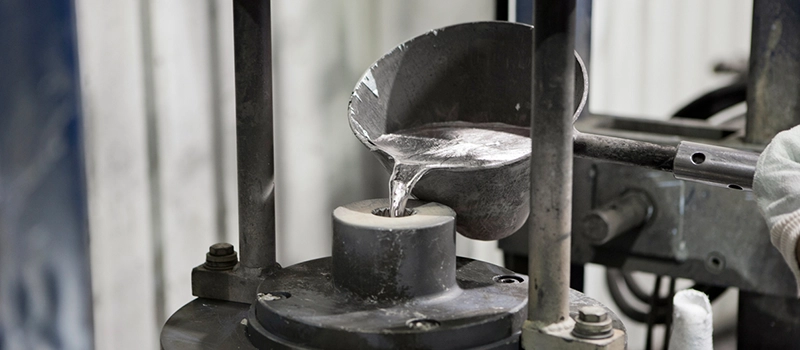
Summary of demands by process
Each casting method imposes distinct expectations on aluminum materials:
| Casting Method | Key Demands | Suitable Alloys |
|---|---|---|
| Die Casting | High pressure, fast fill, minimal porosity | A380, 383 |
| Sand Casting | Thermal tolerance, shape flexibility | A356, 319 |
| Permanent Mold | Repeatability, moderate fill | A356, 443 |
Understanding these process-material interactions is essential to selecting alloys that meet both performance and production goals.
Comparative Overview of Common Foundry Alloys
Performance and application of aluminum casting materials
In every aluminum casting operation, the choice of aluminum foundry materials is a determining factor in part quality and production consistency. Different aluminum alloys offer specific advantages, and each responds differently to casting processes like die casting, sand casting, and mold casting. Selecting aluminum materials that align with casting conditions helps prevent defects, improve dimensional control, and ensure long-term performance in industrial settings.
A356 is one of the most reliable aluminum casting materials used in both sand casting and mold casting. It offers high strength, corrosion resistance, and good fluidity. This aluminum alloy performs well in foundry environments where cooling rates vary, and it supports heat treatment for added mechanical durability. Foundries use A356 in structural parts, machinery housings, and other casting applications that require clean surface finish and post-casting machinability.
A319 is another aluminum foundry material preferred for sand casting. Its higher copper content improves thermal conductivity and wear resistance, making it suitable for engine components and heavy-duty housings. This aluminum alloy maintains good casting characteristics in slower-cooling molds and reduces the risk of hot tearing. A319 is used in aluminum casting processes where stability under temperature changes and vibration is essential.
In die casting, A380 is the dominant aluminum foundry material. Known for its excellent casting characteristics, A380 fills molds quickly under pressure and solidifies with minimal shrinkage. It allows high-speed aluminum casting while maintaining tight dimensional tolerances. Though its ductility is limited, A380 remains the go-to aluminum material in foundry operations producing enclosures, brackets, and lightweight structural components.
Some casting environments require specialized aluminum materials like 443 or 535. These aluminum foundry materials are selected for their unique resistance to fatigue, corrosion, or thermal cycling. While not as common as A356 or A380, these alloys are valuable in casting scenarios where standard aluminum materials fall short of performance expectations.
In every case, understanding the relationship between aluminum casting processes and aluminum foundry materials is essential. Foundries that match alloys to casting behavior reduce errors, improve part consistency, and meet performance goals more effectively across all stages of aluminum casting production.
Material Selection Based on End Use
How aluminum casting materials support different application demands
Matching casting materials to structural performance
In structural applications, selecting aluminum foundry materials with high strength and fatigue resistance is essential. Aluminum casting for brackets, supports, and machinery frames relies on alloys like A356, which perform well in sand casting and mold casting. These aluminum materials are often heat-treated to increase tensile properties, allowing the final casting to handle continuous stress and load conditions without deformation.
Responding to thermal and mechanical stress
When castings are exposed to repeated heat or vibration, aluminum casting materials must deliver thermal stability and dimensional integrity. A319 is a reliable choice in sand casting, as it resists thermal fatigue and maintains structure under fluctuating temperatures. Foundries prefer this aluminum alloy in casting parts like engine covers and compressor housings, where heat resistance is critical to long-term function.
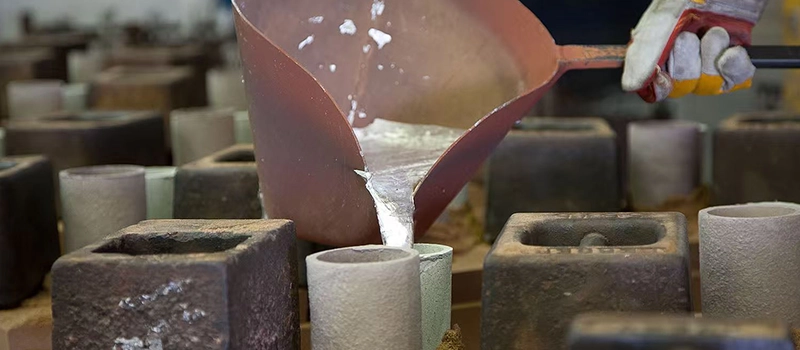
Post-processing considerations for aluminum casting materials
Aluminum casting is rarely the final step—most parts require machining, coating, or welding. Aluminum foundry materials such as A356 and A380 offer good machinability, making them suitable for complex shapes and tight tolerances. However, some aluminum materials with high silicon levels may not weld well or accept surface finishes uniformly, which must be accounted for early in the casting design process.
Balancing alloy selection with casting reliability
Reliable casting results depend on using aluminum foundry materials that match both the intended function and the casting method. Choosing the correct aluminum alloy improves casting accuracy, reduces scrap, and ensures product consistency. Whether for high-load applications or thermal environments, aluminum casting materials must be aligned with the technical requirements of the finished component.
Considerations for Defect Control and Processing Efficiency
Aluminum foundry materials directly influence casting quality and production stability. Choosing the wrong aluminum alloy often leads to porosity, shrinkage, or incomplete fills—especially when the material’s flow and cooling behavior do not match the casting method. In die casting, fast fill speed demands aluminum materials with tight solidification ranges, while sand casting tolerates slower flow but needs alloys that resist hot tearing.
Beyond defect prevention, efficient aluminum casting depends on materials that reduce machining time and maintain dimensional accuracy. Alloys like A356 and A380 are preferred in foundry operations for their reliability across large production runs. Their compatibility with common casting processes results in fewer defects and faster throughput.
Optimizing casting performance begins with selecting aluminum foundry materials that behave predictably under pressure, heat, and mold conditions. Aligning the alloy with both process and part function improves casting outcomes and reduces cost across the production line.
Alloy Behavior During Solidification and Cooling
The role of solidification in aluminum casting quality
Solidification behavior plays a central role in aluminum casting. The way aluminum foundry materials respond to temperature gradients and cooling rates determines the internal structure, surface quality, and mechanical strength of the final casting. Each aluminum alloy has its own solidification range, and this influences how the material flows, freezes, and reacts inside the mold. In all casting methods—whether die casting, sand casting, or permanent mold casting—understanding how aluminum behaves during cooling is essential.
Aluminum foundry materials and cooling rates
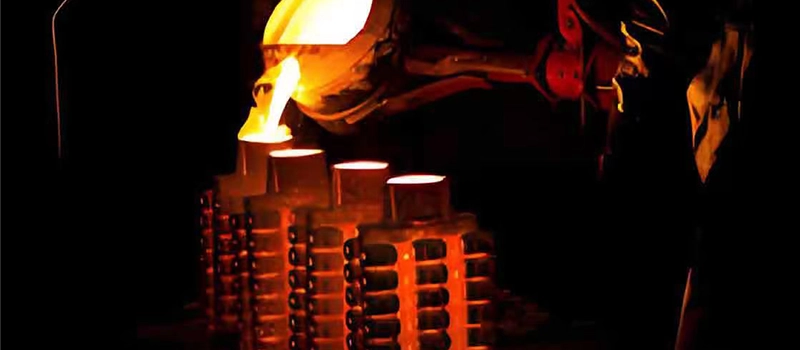
In high-pressure die casting, aluminum foundry materials must solidify quickly to preserve fine details and prevent gas entrapment. Alloys like A380 are engineered to handle this rapid cooling, allowing for short cycle times and consistent casting results. In sand casting, the cooling process is slower, and the thermal behavior of aluminum must be stable enough to avoid shrinkage defects. Aluminum foundry materials used in sand casting, such as A356 or 319, must tolerate gradual temperature drops while maintaining dimensional control.
Permanent mold casting falls between the two extremes. The mold material accelerates heat extraction compared to sand, but the process lacks the pressure of die casting. This means aluminum casting materials must offer moderate fluidity and predictable freezing behavior. In all cases, controlling the solidification process helps prevent internal voids, surface porosity, and non-uniform grain structures that could compromise casting quality.
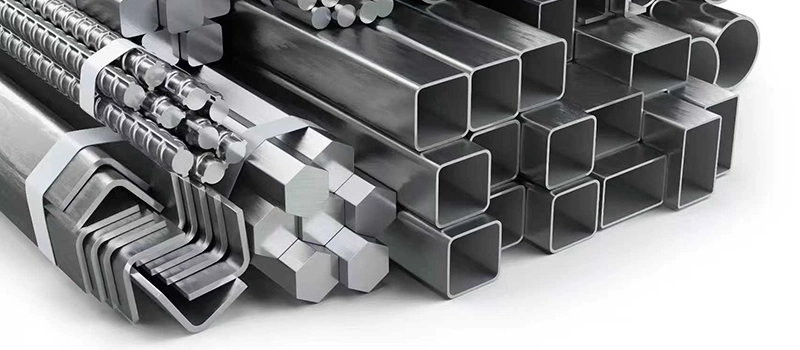
Controlling grain structure through alloy selection
Aluminum foundry materials also influence grain refinement and phase formation during cooling. Alloys with well-balanced silicon and magnesium content promote tighter grain structure, which improves strength and machinability. Conversely, aluminum alloys with poor thermal control or excessive impurity levels may develop coarse grains or segregated regions. This affects the consistency of casting properties from part to part.
By selecting aluminum casting materials with predictable solidification behavior, foundries can improve casting reliability, reduce defect rates, and maintain dimensional tolerance across production batches. The more precisely the aluminum alloy matches the thermal profile of the casting process, the more stable the outcome.
Conclusion
The success of aluminum casting depends on more than process control—it begins with selecting the right aluminum foundry materials. Each casting method, whether die, sand, or mold, requires aluminum materials that align with its thermal and mechanical demands. When aluminum alloys are chosen based on solidification behavior, flow characteristics, and final application needs, casting outcomes improve significantly.
In industrial production, understanding how aluminum foundry materials interact with casting processes reduces defects, shortens lead times, and ensures consistent part quality. Material selection is not a routine step; it is a strategic decision that shapes performance, efficiency, and long-term reliability in aluminum casting operations.
Choosing the right aluminum casting materials is not just about alloy data—it’s about matching foundry experience with casting requirements to achieve predictable, high-quality results.