According to the U.S. Department of Defense MIL-DTL-5541F standard, aluminum chromate coating is designed to improve corrosion resistance, enhance paint adhesion, and preserve electrical conductivity on aluminum and its alloys. This specification has become one of the most widely adopted references in industries that require high-reliability aluminum components.
Despite this, many aluminum parts used in critical environments continue to suffer from corrosion, peeling finishes, and inconsistent electrical contact. Without proper surface treatment, these issues can lead to premature failure, rework, and increased operating costs—especially in sectors like aerospace, automotive, and electronics where performance cannot be compromised.
Aluminum chromate coating addresses these challenges by forming a thin, protective conversion layer that chemically reacts with the aluminum surface. The result is a treated component that resists corrosion, adheres well to paint or adhesives, and maintains stable conductivity—all while keeping dimensional changes to a minimum and meeting rigorous industry standards.
What Is Aluminum Chromate Coating?
Aluminum chromate coating is a chemical conversion coating applied to aluminum and its alloys. It forms a protective layer that resists corrosion and supports subsequent surface treatments.
The coating results from a reaction between the aluminum surface and a solution containing chromate compounds. This reaction forms a thin, passive film that integrates with the metal.
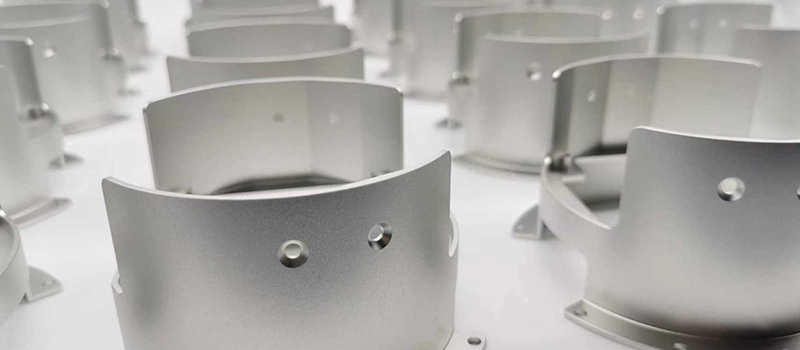
Unlike paint or plating, chromate conversion does not add thickness. The coating is typically less than a few microns and does not affect dimensional tolerances.
This surface treatment is often used before painting or adhesive bonding. It improves surface adhesion and helps meet durability requirements in industrial applications.
Chromate coatings are commonly applied in aerospace, electronics, and general manufacturing. They serve both protective and functional purposes where aluminum components are exposed to environmental stress.
How the Chromate Coating Process Works
Chemical Reaction on the Surface
Aluminum chromate coating is based on a chemical conversion process. When aluminum comes into contact with a solution containing chromate compounds, a surface-level reaction occurs. This reaction transforms the top layer of the aluminum into a passive chromate film.
The film is chemically bonded to the aluminum and becomes part of the metal itself. It does not sit on the surface like paint or plating. This makes the coating uniform and stable, with minimal impact on part dimensions.
Steps in the Coating Process
Surface Cleaning
Proper surface preparation is essential. The aluminum part must be cleaned to remove oil, dirt, oxides, and other surface contaminants. Cleaning is typically done with alkaline degreasers, followed by acid etching if necessary.
A clean surface ensures full chemical contact during chromate treatment. Any residue left behind can interfere with the formation of a consistent coating.
Chromate Application
The chromate solution is applied by immersion, spraying, or brushing. Immersion is most common for uniform results on batch-treated parts. Spraying is used for large or fixed components.
During treatment, the chromate reacts with the aluminum and begins forming the conversion layer within one to five minutes, depending on part geometry and solution concentration.
Rinsing and Drying
After chromate application, the part is thoroughly rinsed with deionized or clean water. This removes any unreacted chemicals from the surface. The part is then air-dried or lightly heated to complete the process.
Controlled drying is important to maintain the integrity of the thin coating layer and avoid streaking or spotting.
Characteristics of the Coating
The finished aluminum chromate coating is thin, typically between 0.3 to 1.0 microns. It may appear iridescent, yellow, or clear, depending on the formulation.
It provides moderate corrosion resistance on its own and serves as a primer for additional coatings. The layer also maintains electrical conductivity, which is important in grounding and shielding applications.
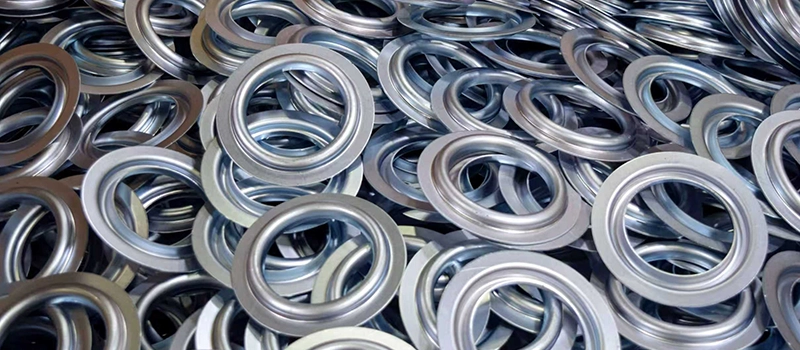
Chromate coating is not mechanically strong, but it performs reliably in controlled environments and when used in combination with secondary finishes like paint or powder coating.
Key Benefits of Aluminum Chromate Coating
Corrosion Resistance for Aluminum Surfaces
Aluminum chromate coating provides a passive protective layer that slows the rate of corrosion. It is especially effective in indoor or mildly corrosive environments. When applied to aluminum components, the coating helps resist oxidation caused by moisture, air, and industrial exposure.
The chemical structure of the aluminum chromate coating allows it to self-heal to some extent. Minor scratches or abrasions may not compromise protection entirely, making it suitable for parts that face handling or assembly stress.
Paint and Adhesive Compatibility
One of the key advantages of aluminum chromate coating is its ability to promote strong adhesion for paints, primers, and bonding agents. The conversion layer improves surface energy, allowing coatings to anchor more securely.
This property is important in sectors where paint or powder coatings must last over time without peeling or flaking. The coating acts as a primer without adding layers or weight.
Electrical Conductivity
Unlike some protective coatings that insulate the surface, aluminum chromate coating retains electrical conductivity. This is critical in electrical enclosures, connectors, and grounding systems where conductivity must be preserved.
It allows coated parts to meet both corrosion resistance and electrical performance specifications without requiring additional modifications.
Dimensional Stability
Aluminum chromate coating is extremely thin, generally in the range of 0.3 to 1.0 microns. Because the coating is formed chemically rather than deposited, it does not build up thickness on the part.
This is beneficial in precision applications where tolerances are tight and dimensional accuracy must be maintained during and after surface treatment.
Surface Uniformity
The coating process produces a consistent and uniform finish. Whether applied by immersion or spray, aluminum chromate coating distributes evenly across complex geometries. This makes it suitable for parts with holes, edges, and fine structural details.
Uniformity contributes to predictable performance, particularly when components undergo secondary processing or assembly.
Process Flow: How Chromate Coating Is Applied
Overview of the Coating Workflow
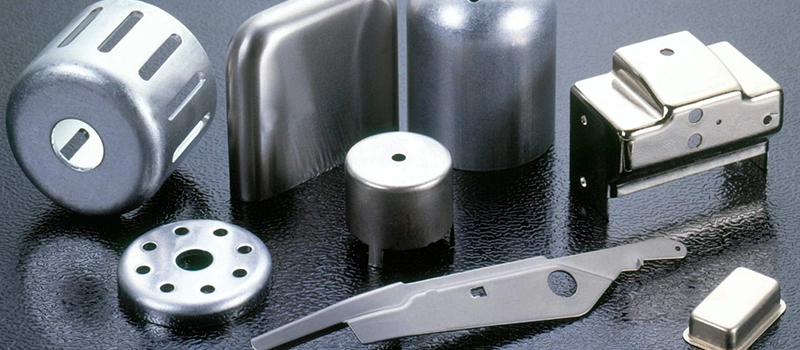
The application of aluminum chromate coating follows a controlled and repeatable process. Each step is designed to prepare the aluminum surface, apply the chromate layer uniformly, and ensure long-term coating performance. The process is compatible with a variety of aluminum alloys and part geometries.
Surface Preparation
Cleaning
Surface cleaning is the first and most important step. The aluminum part must be free from oils, oxides, and particulate matter. Cleaning is typically carried out with alkaline or acidic cleaners, depending on the alloy and prior handling conditions.
Effective cleaning ensures the chromate coating adheres directly to the metal, which improves durability and uniformity.
Rinsing
After cleaning, the part is rinsed thoroughly with water. This step removes residues and prepares the surface for chemical treatment. Incomplete rinsing can interfere with the coating reaction.
Chromate Conversion Treatment
Application Method
The cleaned aluminum is immersed in a chromate solution or sprayed with it. The immersion method is preferred for small to medium-sized parts that require consistent coverage. Spray application is used when immersion is impractical, such as for large or fixed components.
Treatment time is typically between 30 seconds and 5 minutes, depending on part geometry, temperature, and solution concentration.
Reaction Phase
During application, a controlled chemical reaction occurs between the aluminum and the chromate compounds. This creates an adherent conversion layer on the surface. The coating forms as a result of this reaction, not as an added material.
The appearance of the layer may vary depending on the type of chromate used and the duration of exposure.
Rinsing and Drying
Final Rinse
After the reaction is complete, the part undergoes a final rinse to remove any residual chemicals. The rinse is usually done with deionized water to avoid contamination or spotting.
Drying
The last step in the process is drying. Parts are dried either by air at ambient temperature or by using a low-temperature oven. High temperatures are avoided to preserve coating integrity.
Drying completes the aluminum chromate coating process and stabilizes the film for handling or further finishing operations.
Comparison with Alternative Surface Treatments
Evaluating Surface Treatment Options
Aluminum chromate coating is one of several surface treatments available for aluminum components. It is often selected for its balance of corrosion resistance, conductivity, and compatibility with paint or adhesive systems. However, other processes may be preferred depending on specific functional or environmental requirements.
Chromate Coating vs. Anodizing
Process Difference
Anodizing is an electrochemical process that thickens the natural oxide layer on aluminum. In contrast, aluminum chromate coating is a chemical conversion process that forms a thin, passive film through chemical reaction without electricity.
Functional Comparison
Anodized coatings offer higher corrosion resistance and surface hardness. However, they are non-conductive and can be more expensive. Aluminum chromate coating, while thinner and less durable, preserves electrical conductivity and is faster to apply.
For applications requiring conductivity and secondary painting, chromate coating is often preferred. Anodizing is used where durability and abrasion resistance are more critical.
Chromate Coating vs. Powder Coating
Application and Coverage
Powder coating involves electrostatically applying dry powder to a surface and curing it under heat. It forms a thick, uniform, and decorative finish. Aluminum chromate coating is a preparatory surface treatment and is often used underneath powder coating to improve adhesion and corrosion protection.
Use Case Differences
Powder coating adds color and aesthetics along with protection, but it is not suitable where dimensional constraints or conductivity are important. Chromate coating, by contrast, maintains tight tolerances and is often used in electrical applications.
Chromate Coating vs. Phosphate Coating
Phosphate coatings are primarily used on steel to improve corrosion resistance and coating adhesion. On aluminum, they are less effective and less common.
Aluminum chromate coating provides more reliable performance on aluminum substrates. It does not rely on mechanical bonding alone, making it more suitable for precision aluminum parts.
Selection Considerations
Each surface treatment offers specific strengths. Aluminum chromate coating is chosen when thinness, conductivity, and paint adhesion are required, particularly in regulated industries. It serves as a practical solution in environments where full anodizing or thicker coatings are unnecessary or incompatible.
Conclusion
Aluminum chromate coating is a widely used surface treatment for aluminum parts where corrosion resistance, conductivity, and paint adhesion are required. It offers a practical balance between performance and process efficiency.
By forming a thin, chemically bonded conversion layer, the coating preserves part dimensions and enables downstream processes like painting or bonding. It remains a preferred option in industries with strict performance and regulatory standards.
When applied correctly, aluminum chromate coating contributes to improved product reliability, reduced maintenance, and long-term durability in aluminum components. It continues to play a critical role in modern manufacturing and surface engineering.