Why are aluminum 4xxx series alloys widely used in engine components and heat exchangers? What makes them resistant to wear and thermal stress? And how do they perform where other alloys fail?
Aluminum 4xxx alloys, characterized by high silicon content, are valued for their wear resistance, low thermal expansion, and excellent performance in elevated temperatures. These properties make them suitable for demanding applications such as engine blocks, brazing sheets, and structural cladding. In material standards, this series is noted for offering “improved wear resistance and a lower coefficient of thermal expansion, especially in automotive applications”.
Their unique thermal and mechanical profile makes aluminum 4xxx a dependable choice for environments involving heat, friction, and complex assembly processes.
Composition and Classification of Aluminum 4xxx Series
Silicon-Based Alloy System
Aluminum 4xxx series alloys are primarily defined by the addition of silicon as the main alloying element. Silicon content in these alloys typically ranges from 4.5% to 13%, depending on the specific grade and intended application. The presence of silicon significantly reduces the melting point of the alloy, which enhances its flow characteristics during casting and welding. This makes aluminum 4xxx especially useful in processes where thermal control and filler metal behavior are critical.
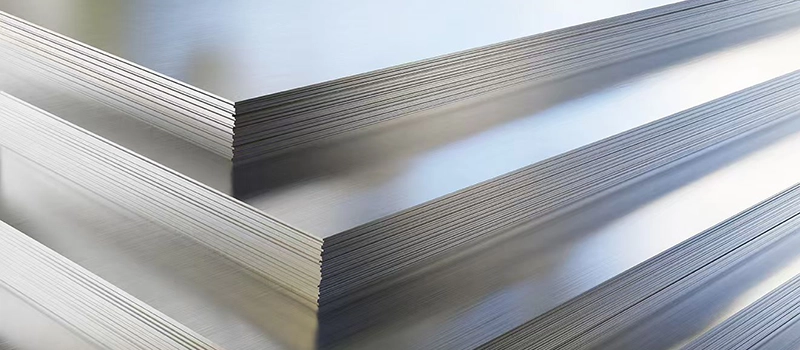
The silicon addition also increases wear resistance and reduces the coefficient of thermal expansion. These properties make aluminum 4xxx well-suited for high-temperature environments and components exposed to frequent thermal cycling. The series includes both wrought and casting alloys, with applications across multiple manufacturing sectors.
Heat-Treatable and Non-Heat-Treatable Variants
The aluminum 4xxx series includes both heat-treatable and non-heat-treatable alloys. While many are used in their natural hardened state, certain grades can undergo thermal treatment to improve strength and mechanical stability. Alloys such as 4032, which contain additional elements like copper or magnesium, are heat-treatable and used in high-performance engine components.
In contrast, alloys like 4045 are non-heat-treatable and typically used in brazing sheets where consistent melting behavior and thermal conductivity are more important than mechanical strength. The distinction between heat-treatable and non-heat-treatable grades within the aluminum 4xxx family allows for precise material selection based on application-specific demands.
Commonly Used Grades
Some of the widely used aluminum 4xxx grades include:
- 4045: Frequently used in cladding and brazing sheet applications due to its predictable melting behavior and compatibility with other aluminum core alloys.
- 4032: Contains additional magnesium and copper, making it suitable for high-strength applications such as forged pistons and aerospace components.
- 4047: Offers excellent fluidity and is often used as a filler metal for aluminum welding and brazing.
Each of these grades maintains the typical characteristics of the aluminum 4xxx series—low melting point, good wear resistance, and stable performance under thermal stress—while offering specific advantages based on secondary alloying additions.
Structural Behavior and Metallurgical Stability
The microstructure of aluminum 4xxx alloys is typically composed of a solid solution matrix with distributed silicon particles. This contributes to their dimensional stability under temperature changes and enhances surface hardness. These features are critical in industrial environments where mechanical parts operate under friction, impact, or prolonged heating cycles.
Due to their metallurgical properties, aluminum 4xxx alloys are commonly selected for automotive, aerospace, and architectural applications where long-term reliability and resistance to distortion are required.
Physical and Mechanical Properties
Thermal and Mechanical Behavior
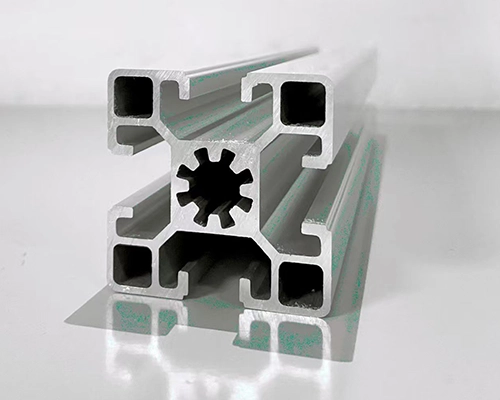
Aluminum 4xxx series alloys exhibit distinct physical characteristics due to their high silicon content. One of the most important is a reduced melting point, typically between 575°C and 640°C, which is significantly lower than the melting range of pure aluminum. This low melting range enables excellent flow properties in casting and brazing, making aluminum 4xxx alloys especially effective in thermal joining and cladding operations.
In terms of mechanical strength, these alloys vary widely depending on their specific composition and temper. Non-heat-treatable grades such as 4045 are optimized for consistency in melting and bonding, rather than structural performance. In contrast, heat-treatable grades like 4032 can offer tensile strengths exceeding 400 MPa, making them suitable for load-bearing engine parts and mechanical systems exposed to thermal cycling.
Wear Resistance and Surface Hardness
The presence of silicon in aluminum 4xxx significantly improves wear resistance and surface hardness compared to other series such as 1xxx or 3xxx. These characteristics are especially valuable in components subject to friction, such as pistons, brake components, and sliding mechanical interfaces.
Role of Silicon in Hardness
The silicon particles embedded in the alloy matrix act as natural hardening agents, which help reduce material loss from contact wear. This improves dimensional stability during operation and reduces maintenance requirements in systems subjected to mechanical contact.
Low Thermal Expansion
Aluminum 4xxx alloys have a lower coefficient of thermal expansion compared to other aluminum series. The high silicon content helps minimize thermal distortion and allows components to maintain dimensional accuracy under elevated temperatures. This makes the 4xxx series particularly suitable for engine blocks, brake systems, and heat shields.
Electrical and Thermal Conductivity
Although not as conductive as the 1xxx series, aluminum 4xxx alloys maintain moderate thermal and electrical conductivity. This allows their use in heat exchangers, thermal interface structures, and electrically grounded enclosures where strength and thermal control are equally important.
Comparison with Other Aluminum Series
Key Differences from 2xxx, 5xxx, and 6xxx Series
Aluminum 4xxx series alloys differ significantly from other commonly used aluminum series, particularly in their thermal characteristics, wear resistance, and application focus. The high silicon content of the 4xxx series gives it a distinct metallurgical profile, especially when compared to copper-based 2xxx alloys, magnesium-based 5xxx alloys, and magnesium-silicon 6xxx alloys.
Compared to 2xxx Series (Aluminum-Copper)
The 2xxx series is known for its high strength and is often used in aerospace and structural applications. However, it has poor corrosion resistance and is not ideal for thermal exposure or surface durability. In contrast, the 4xxx series, while generally lower in strength, offers superior wear resistance, lower thermal expansion, and better corrosion performance in certain environments. The 4xxx alloys are preferred in situations where dimensional stability and thermal conductivity are more critical than high tensile strength.
Compared to 5xxx Series (Aluminum-Magnesium)
Aluminum 5xxx series alloys are appreciated for their excellent corrosion resistance and moderate-to-high strength without heat treatment. These are widely used in marine, structural, and transport sectors. The 4xxx series, on the other hand, has a lower strength range overall but is far better suited for applications involving high temperatures, wear, and welding. For example, while 5xxx may be ideal for ship hulls, 4xxx is preferred for engine parts and welded assemblies requiring good flow and thermal control.
Compared to 6xxx Series (Aluminum-Magnesium-Silicon)
The 6xxx series is a versatile group that combines good strength, corrosion resistance, and machinability. These alloys are heat-treatable and widely used in construction and transportation. While both 4xxx and 6xxx contain silicon, their behaviors are different. The 4xxx series has a significantly lower melting point and better wear resistance, making it suitable for welding applications, filler wires, and cladding materials. In contrast, the 6xxx series provides better structural strength and surface finish, making it more suitable for architectural and load-bearing applications.
Unique Advantages of the 4xxx Series
- Lower melting point enables effective brazing and welding without deforming base materials
- Improved wear resistance supports use in sliding or high-friction components
- Low thermal expansion reduces the risk of stress in high-temperature cycles
- Compatibility as filler materials for dissimilar aluminum alloy welding
The aluminum 4xxx series stands out not for its structural strength but for its targeted performance in thermal, wear, and welding applications. This makes it essential in automotive, aerospace, and manufacturing sectors where components must perform reliably under heat and stress.
Welding, Brazing, and Fabrication
Suitability for Welding and Brazing
Aluminum 4xxx series alloys are widely used in welding and brazing applications due to their controlled melting behavior and silicon-rich composition. Alloys such as 4045 and 4047 are specifically designed as filler materials in gas metal arc welding (GMAW), gas tungsten arc welding (GTAW), and brazing operations. The lower melting range, typically between 575°C and 640°C, allows these alloys to bond effectively without excessive heat input that could distort the base material.
In brazing, aluminum 4xxx is commonly used as a cladding layer on heat exchanger sheets or pressure vessel panels. During brazing cycles, the cladding melts and flows into joints while the core material remains solid, creating a secure metallurgical bond. This makes aluminum 4xxx an industry standard in automotive radiators, HVAC coils, and industrial heat exchangers.
Filler Metal Performance
When used as a filler, aluminum 4xxx provides stable arc performance and good wettability, resulting in strong, clean welds with minimal porosity. Filler wires such as 4045, 4047, and 4145 are compatible with a wide range of aluminum base alloys, including 1xxx, 3xxx, 5xxx, and 6xxx series. This versatility makes the 4xxx series particularly useful for joining dissimilar aluminum alloys in multi-material assemblies.
The silicon content helps control the fluidity of the weld pool and reduces the risk of cracking in the heat-affected zone (HAZ). This is especially valuable in thin-section components and precision welding tasks where dimensional control is critical.
Formability and Surface Processing
Aluminum 4xxx series alloys have moderate formability depending on their temper and composition. Alloys used in brazing sheet applications are typically supplied in annealed or partially annealed conditions to support forming processes such as bending, stamping, and rolling. For instance, cladding sheets with 4045 or 4343 surfaces are often shaped into complex heat exchanger profiles without cracking or delamination.
Machinability of 4xxx alloys varies. While not as easily machined as 6xxx alloys like 6061, the 4xxx series can still be processed with standard tools when proper cutting speeds and lubricants are used. The silicon-rich structure may contribute to increased tool wear over time, particularly in high-volume production.
Surface Finish and Post-Processing
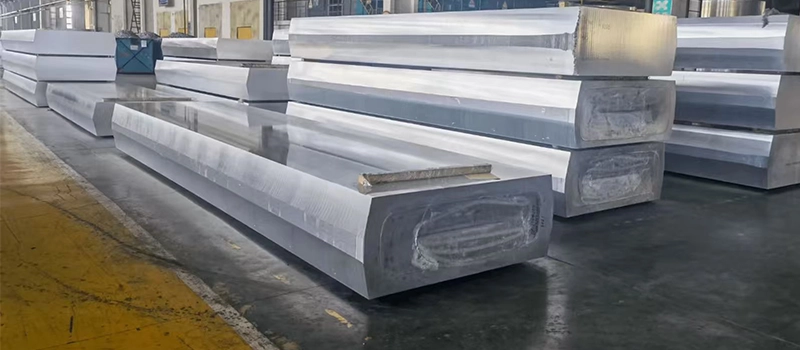
Surface finish is typically matte or dull gray due to the presence of silicon. While this may limit the use of 4xxx alloys in decorative applications, the surface characteristics are advantageous for technical requirements, such as creating high-emissivity surfaces for heat dissipation.
Anodizing is possible but may yield darker or uneven finishes compared to purer alloys. Surface treatments like chromate conversion or powder coating are often applied to improve corrosion resistance or meet appearance specifications.
Applications in Automotive and Architecture
Automotive Components
Aluminum 4xxx series alloys are widely used in the automotive industry due to their unique combination of low thermal expansion, high wear resistance, and suitability for welding and brazing. Engine components such as pistons, cylinder heads, and intake manifolds often use heat-treatable grades like 4032. These components must perform under high pressure and elevated temperatures, and the silicon-rich structure of aluminum 4xxx provides the necessary dimensional stability and friction resistance.
Another key automotive use is in heat exchanger systems. Brazing sheets clad with 4xxx alloys, such as 4045 or 4343, are used in the manufacture of radiators, intercoolers, oil coolers, and condensers. These sheets are composed of a 3xxx or 5xxx core layer for strength, with a 4xxx cladding layer that melts during brazing to form strong, leak-tight joints. The result is a lightweight, corrosion-resistant assembly with efficient thermal conductivity.
Welding and Structural Joints
Aluminum 4xxx filler alloys are routinely used to join aluminum body panels and structural frames, especially when combining dissimilar base alloys. The use of silicon-rich filler wire helps minimize cracking and provides a smooth weld bead, which is important in structural integrity and manufacturing consistency. Applications include frames, chassis parts, and welded enclosures where both form and function must be maintained.
Architectural and Industrial Cladding
In architectural and industrial construction, aluminum 4xxx alloys are used for cladding systems where brazing or bonding of multilayer panels is required. These alloys serve as the outer cladding in composite materials designed for curtain walls, insulated panels, and roofing systems. The controlled melting behavior of 4xxx alloys allows them to create a strong metallurgical bond to core layers without excessive thermal input, preserving panel flatness and strength.
Aluminum 4xxx is also found in exterior facades where thermal expansion control is important. The low expansion rate of the material helps reduce stress at joints and fasteners, especially in environments with wide temperature fluctuations.
Heat-Resistant Components
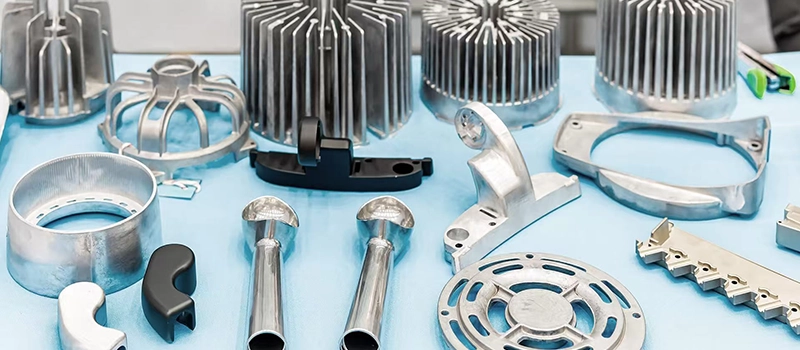
Due to their thermal stability and resistance to distortion, aluminum 4xxx alloys are used in components exposed to continuous or cyclical heating. Examples include heat shields, exhaust system parts, and protective housings for industrial equipment. The ability of these alloys to maintain form and function in elevated-temperature conditions makes them suitable for applications where aluminum from other series may soften or deform.
Summary of Use Cases
- Automotive pistons, heat exchangers, and weldable structures
- Brazing sheets for HVAC and engine cooling systems
- Structural cladding for industrial and architectural panels
- Components requiring low thermal expansion and high wear resistance
Aluminum 4xxx series materials are well integrated into high-volume, performance-critical manufacturing sectors where thermal efficiency, mechanical reliability, and joining compatibility are top priorities.
Conclusion
Aluminum 4xxx series alloys provide a unique combination of properties that meet the requirements of thermally demanding and mechanically sensitive applications. With silicon as the primary alloying element, these materials offer reduced thermal expansion, increased wear resistance, and stable melting behavior—features that are not commonly found together in other aluminum series. Their role in automotive components, brazing sheet production, and structural applications underscores their versatility in modern engineering. Whether used as base materials or filler alloys, aluminum 4xxx supports efficient manufacturing, long service life, and consistent performance in both elevated and fluctuating temperature conditions.