Why are aluminum 2xxx series alloys often the first choice for aerospace and structural components? What gives them the strength to perform under high mechanical loads? And why do engineers specify them for critical fatigue-prone environments?
Aluminum 2xxx alloys, primarily alloyed with copper, are known for their high strength, fatigue resistance, and heat-treatability. As defined in material classifications, this series is “designed for applications requiring high mechanical properties and structural integrity, especially in aerospace systems”.
Their performance makes them well-suited for demanding applications—but careful attention must be paid to corrosion control and processing conditions.
Characteristics of Aluminum 2xxx Series
Copper as the Primary Alloying Element
Aluminum 2xxx series alloys are defined by the addition of copper, typically in the range of 2% to 10%. This alloying element increases strength, hardness, and fatigue resistance. The copper-aluminum interaction enables precipitation hardening through controlled heat treatment, forming fine particles that strengthen the alloy’s internal structure.
These alloys belong to the heat-treatable category and are capable of reaching high mechanical strength values, making them suitable for applications where load-bearing performance is critical.
Heat-Treatable with High Strength
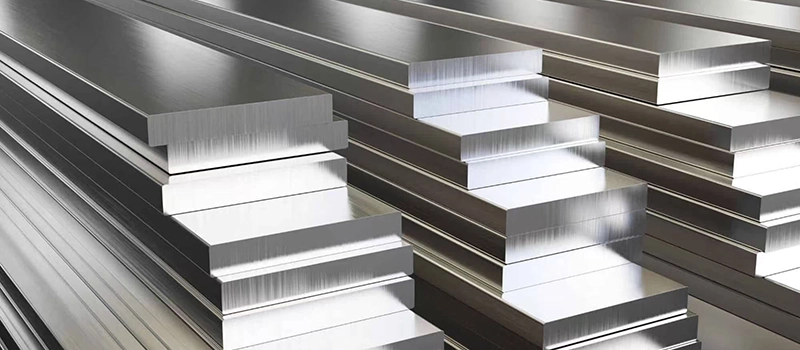
Aluminum 2xxx alloys are heat-treatable and respond well to solution heat treatment and artificial aging. In tempers such as T6 or T851, they can achieve tensile strengths exceeding 470 MPa, depending on alloy type and product form. This makes the series one of the strongest within the aluminum alloy family.
Mechanical Strength Range
- Tensile strength (typical): 400–500 MPa
- Yield strength (typical): 270–400 MPa
- Excellent fatigue resistance under repeated loading
This combination of properties makes aluminum 2xxx ideal for aerospace components, structural assemblies, and high-performance machinery.
Common Grades and Their Uses
2024
Offers excellent strength-to-weight ratio and fatigue resistance. Widely used in aerospace fuselage structures, wing skins, and fasteners. However, it has limited corrosion resistance and is often clad or coated.
2011
Known for exceptional machinability, making it ideal for high-speed turning, drilling, and milling. Commonly used in automatic screw machines for producing complex, precision parts such as valves and fittings.
2618
Provides high strength retention at elevated temperatures. Common in aerospace engine parts and high-performance automotive pistons where thermal stress is significant.
Form Availability and Processing Notes
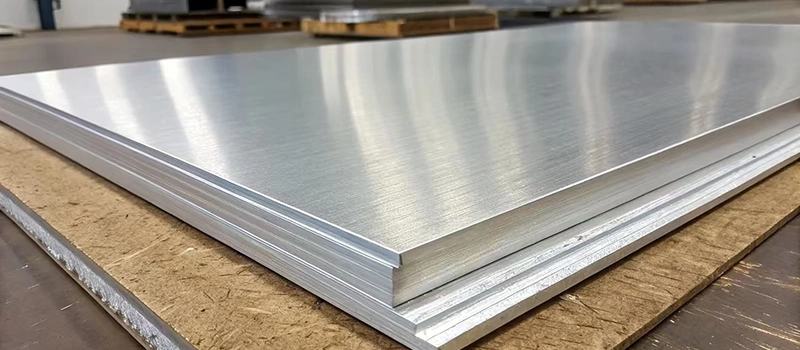
Aluminum 2xxx series alloys are commonly available as plate, sheet, bar, rod, and forgings. Due to their high strength and lower ductility compared to other series, forming and machining processes must be carefully controlled. These alloys are less suitable for extrusion than 6xxx series and may require post-forming heat treatment to restore desired mechanical properties.
Mechanical Performance in High-Stress Conditions
Strength Under Static and Dynamic Loads
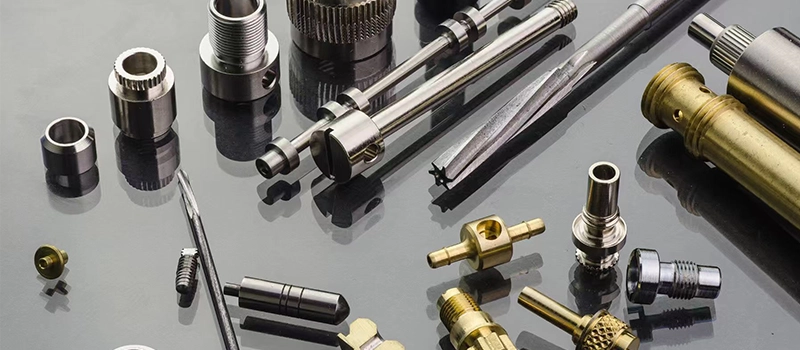
Aluminum 2xxx series alloys are engineered for structural performance in high-stress environments. Their mechanical strength, especially after heat treatment, is comparable to low-carbon steels, yet with the significant advantage of being much lighter. This combination makes aluminum 2xxx well-suited for applications requiring high load capacity without excessive weight.
Typical Mechanical Properties
- Tensile strength: 400–500 MPa
- Yield strength: 270–400 MPa
- Elongation at break: 10–18%, depending on form and temper
These values are typical for heat-treated tempers such as T6, T81, or T851. The exact figures vary by alloy, but across the 2xxx series, the strength levels consistently exceed those of non-heat-treatable aluminum alloys like 1xxx or 3xxx.
Fatigue Resistance in Cyclic Loading
One of the primary advantages of aluminum 2xxx series alloys is their fatigue resistance. In structures subject to cyclic loading—such as aircraft wings, transport frames, or mechanical joints—these alloys maintain performance over many loading cycles.
Fatigue performance is influenced by surface finish, joint design, and processing conditions, but aluminum 2xxx generally performs better than most other series in controlled fatigue environments, especially in dry air or sealed assemblies. Grades like 2024 are widely used in components exposed to vibration and flexural stress.
Common Fatigue-Sensitive Applications
- Riveted or bolted aircraft panels
- Frame sections of vehicles and railcars
- Precision linkages and control arms
Dimensional Stability and Stress Resistance
Heat-treated aluminum 2xxx maintains dimensional stability over time and under mechanical load. When machined and stress-relieved properly, components resist warping and distortion, even when exposed to fluctuating forces. This is especially important in parts where tolerance control is critical, such as aerospace brackets or tooling fixtures.
These alloys also exhibit high modulus of elasticity compared to other aluminum families, offering more stiffness and reduced deflection under stress.
Creep and Stress Rupture Considerations
While aluminum 2xxx excels in strength and fatigue performance, it is not recommended for applications involving long-term exposure to high temperatures. Above 125°C, mechanical properties begin to degrade, particularly in sustained stress environments. For elevated-temperature strength, other alloys such as 2618 or specialized 7xxx grades may be more appropriate.
Corrosion Resistance and Protective Measures
Corrosion Sensitivity Due to Copper Content
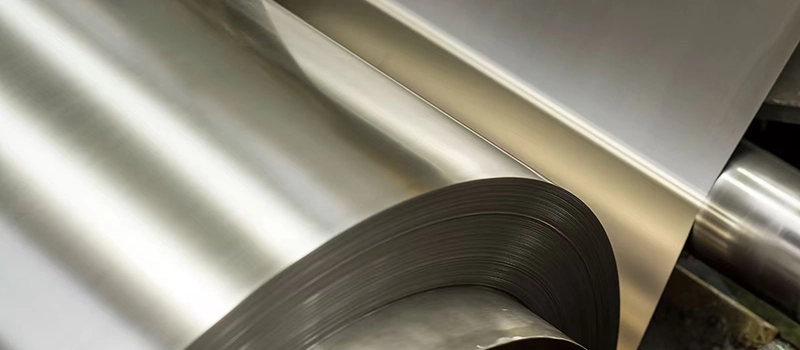
Aluminum 2xxx series alloys, while strong and highly fatigue-resistant, are among the least corrosion-resistant aluminum grades. This is primarily due to their high copper content. Copper reduces the alloy’s natural ability to form a stable, protective oxide layer, leaving the material more vulnerable to pitting, galvanic corrosion, and intergranular attack—particularly in moist, acidic, or salt-rich environments.
When exposed to outdoor conditions without protection, bare aluminum 2xxx surfaces can deteriorate faster than other series such as 5xxx or 6xxx. This limits their use in marine, coastal, or uncoated outdoor applications.
Typical Corrosion Behaviors
- Pitting corrosion in stagnant or salt-contaminated environments
- Intergranular corrosion in improperly heat-treated material
- Galvanic corrosion when in contact with dissimilar metals
Because of these risks, unprotected aluminum 2xxx is rarely used in corrosion-prone environments unless protective measures are applied.
Cladding for Improved Corrosion Resistance
To overcome this limitation, certain 2xxx alloys—such as 2024—are commonly clad with a thin layer of pure aluminum or a more corrosion-resistant alloy. This process, known as alcladding, provides a sacrificial surface layer that protects the underlying core material.
Advantages of Alclad Material
- Maintains the strength of the core alloy
- Significantly improves corrosion performance
- Suitable for exterior aircraft skins and transport panels
Alclad versions of 2xxx alloys are widely used in aerospace fuselage structures where strength and corrosion protection are both required.
Protective Coatings and Surface Treatments
In applications where cladding is not used, other protective strategies are applied to aluminum 2xxx components. These include:
- Anodizing: Forms a thick, hard oxide layer for added resistance
- Chromate conversion coatings: Provide corrosion inhibition and primer compatibility
- Paint and powder coating: Offer barrier protection in automotive and structural uses
Proper surface preparation, including degreasing and chemical cleaning, is critical to ensure adhesion and effectiveness of coatings.
Best Practices in Service Conditions
To extend the service life of aluminum 2xxx components in corrosion-prone environments:
- Avoid prolonged contact with water or salt spray
- Use isolation materials between aluminum and dissimilar metals
- Store components in dry, controlled environments before final assembly
- Apply regular inspection and maintenance schedules in exposed applications
With the right protection, aluminum 2xxx can deliver high structural performance even in moderate exposure conditions. However, for long-term durability in harsh environments, alternative alloy series may be more appropriate if corrosion resistance is a primary concern.
Typical Applications in Aerospace and Engineering
Aerospace Structures and Components
Aluminum 2xxx series alloys are extensively used in the aerospace industry, where strength-to-weight ratio, fatigue resistance, and dimensional stability are critical. Alloys like 2024 are commonly found in airframe structures, including fuselage skins, wing panels, bulkheads, and ribs. These components must endure continuous mechanical stress, vibration, and dynamic loads throughout the aircraft’s service life.
Examples in Aerospace Use
- Fuselage frames and stringers
- Aircraft wing skins and ribs
- Floor beams and support brackets
- Landing gear components (in some designs)
The combination of high tensile strength and fatigue resistance makes aluminum 2xxx alloys ideal for structural assemblies that must retain integrity under cyclic loading conditions. However, due to their limited corrosion resistance, these components are usually clad or coated when used in external structures.
Automotive and Heavy Transport Applications
In performance-focused automotive engineering, aluminum 2xxx alloys are used in engine and chassis parts that require strength under thermal and mechanical stress. While less common than 5xxx or 6xxx in mass-produced vehicles, 2xxx materials appear in motorsport components, military vehicles, and commercial aircraft ground support systems.
Common Transport Applications
- Suspension components in high-performance vehicles
- Heavy-duty bracketry and fasteners in rail systems
- Lightweight tooling and lifting fixtures for aerospace maintenance
Alloy 2618, known for its thermal stability, is also used in racing engine pistons and aerospace compressor housings.
Precision Machined Parts
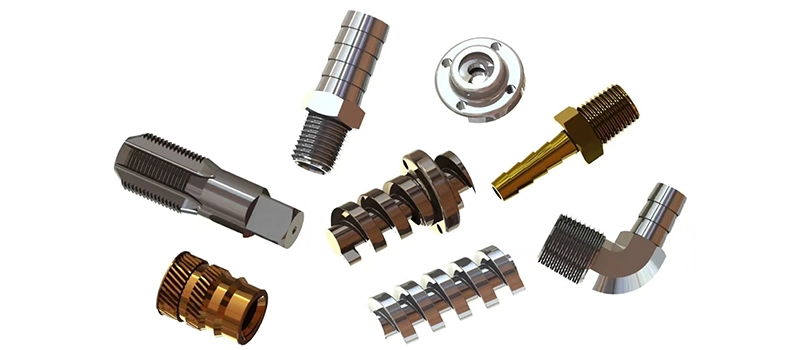
Aluminum 2011 is widely used in industries requiring high-speed machining of complex parts. Its excellent machinability allows for efficient mass production of components where tight tolerances and clean finishes are essential. This includes:
- Hydraulic fittings
- Valve bodies
- Connectors and adapters
- Instrument housings
The free-machining characteristics of 2011 help reduce production time and tool wear, especially in automated machining environments.
Tooling and Fixture Applications
Due to their rigidity and wear resistance, aluminum 2xxx alloys are also used in the manufacture of precision jigs, fixtures, and tools for use in assembly lines, aerospace maintenance stations, and production environments. These parts must maintain their dimensions under mechanical load and avoid deformation over time.
When to Choose Aluminum 2xxx Over Other Alloys
Selecting for Strength and Fatigue Performance
Aluminum 2xxx series alloys should be selected when high strength, stiffness, and fatigue resistance are top priorities. These alloys are among the strongest in the aluminum family, making them suitable for load-bearing applications where weight must be minimized without sacrificing mechanical integrity. This is particularly relevant in aerospace, defense, and certain performance automotive uses where structural failure is not acceptable.
Aluminum 2xxx is ideal for use in components subjected to repetitive stress, mechanical vibration, or dynamic loading cycles—conditions under which other non-heat-treatable alloys may degrade more quickly. When properly processed and protected, these materials provide stable long-term performance.
Comparing to Other Aluminum Series
2xxx vs. 6xxx
While both are heat-treatable, 2xxx offers higher strength and fatigue resistance. In contrast, 6xxx series alloys provide better corrosion resistance, easier weldability, and improved surface finish. For general structural and architectural applications, 6xxx may be sufficient, but in aerospace and precision engineering, 2xxx is often the preferred choice.
2xxx vs. 5xxx
The 5xxx series is non-heat-treatable and excels in corrosion resistance, particularly in marine and chemical environments. However, its strength is lower than that of the 2xxx series. For outdoor applications in corrosive conditions, 5xxx is better suited. For internal or protected components requiring maximum strength, 2xxx is more appropriate.
2xxx vs. 7xxx
The 7xxx series offers the highest strength of all aluminum alloys and is used in critical aerospace and military applications. However, it is also more prone to stress corrosion cracking and may require even more stringent processing. Aluminum 2xxx offers a balance between strength and workability with somewhat better machinability and slightly lower cost.
Factors to Consider When Choosing Aluminum 2xxx
- Required mechanical strength: Use 2xxx for high-stress structural loads
- Fatigue life: Ideal for cyclic or vibration-prone components
- Corrosion environment: Requires protection or alternative material if exposed
- Welding and joining: Limited weldability; best suited for bolted or riveted joints
- Machining precision: 2011 offers excellent machinability for complex parts
- Thermal exposure: Not suitable for long-term service above 125°C unless using high-temperature variants like 2618
Summary Decision Point
Choose aluminum 2xxx when the design requires superior mechanical strength, reliable fatigue resistance, and thermal stability—especially in applications where corrosion can be controlled through coatings, cladding, or protective environments. Its use is most justified in high-performance and precision-engineered products where material reliability is essential to function and safety.
Conclusion
Aluminum 2xxx series alloys are engineered for high-performance applications where strength, fatigue resistance, and dimensional stability are critical. With copper as the primary alloying element, these materials offer some of the highest mechanical properties in the aluminum family. Their role in aerospace, transport, and precision-machined components underscores their importance in structural engineering and high-stress environments.
However, the advantages of aluminum 2xxx come with trade-offs, particularly in corrosion resistance and weldability. Proper selection, processing, and protection are essential to ensure long-term reliability. When applied correctly, aluminum 2xxx delivers exceptional performance where it matters most.