According to the European Aluminium Association, aluminum-silicon alloys are the foundation of many industrial casting processes, valued for their stability and castability in high-volume production. AlSi12 alloy is among the most commonly adopted compositions in this category, used extensively in automotive, mechanical, and structural components.
Inconsistent performance during casting—such as high shrinkage, poor surface finish, or irregular solidification—is a known challenge when selecting unsuitable alloys. These issues lead to increased rejection rates, costly post-processing, and compromised part performance.
AlSi12 alloy offers predictable, repeatable results across all standard casting methods. Its properties—fluidity, low shrinkage, corrosion resistance, and thermal performance—form the basis for its widespread use in applications that demand efficiency and precision. The following technical analysis explains why AlSi12 is a preferred alloy in complex and cost-sensitive casting operations.
Introduction to AlSi12 Alloy in Casting
Industry Context and Relevance
Aluminum-silicon casting alloys like AlSi12 are critical materials in industrial component manufacturing due to their high corrosion resistance, superior castability, and weight reduction benefits in automotive and machinery sectors.
Common Casting Challenges
Casting complex metal parts often results in shrinkage defects, incomplete filling, or poor surface finish—especially when the alloy lacks fluidity or dimensional stability. These issues lead to higher rejection rates, increased post-processing, and inconsistent mechanical performance across batches.
Why AlSi12 Addresses These Issues
AlSi12 alloy, with its high silicon content, addresses these challenges by delivering excellent fluidity, minimal shrinkage, and high corrosion resistance. It is specifically engineered for precision casting of thin-walled or intricate components in large-scale production environments.
Alloy Composition and Standards
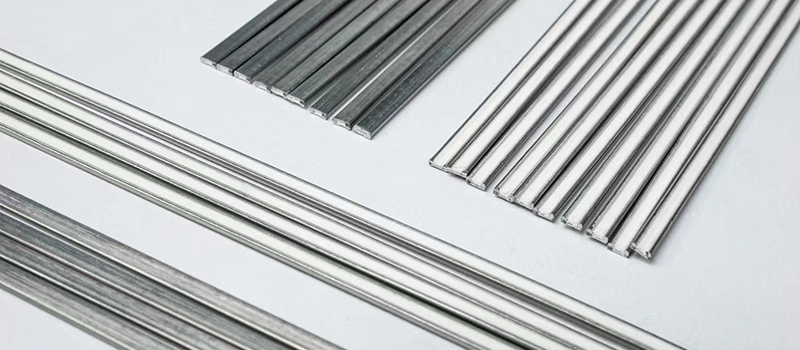
AlSi12 is an aluminum-silicon casting alloy with a silicon content of approximately 11–13% by weight. Its eutectic structure improves castability and ensures high replication accuracy in detailed molds. The alloy is standardized as EN AC-44000 in Europe and corresponds to A413 in North America, confirming its wide industrial recognition.
Functional Advantages in Casting
AlSi12’s high silicon content improves molten flow, reducing the risk of hot tearing and incomplete filling. This enables the casting of thin-walled, complex parts with good dimensional accuracy. The alloy’s low thermal expansion and stable solidification behavior support consistent results in high-volume die casting environments.
Key Technical Properties of AlSi12 Alloy
Fluidity and Castability
AlSi12 alloy is engineered for high-performance casting. Its elevated silicon content significantly improves fluidity, enabling molten AlSi12 to flow smoothly into intricate molds and narrow channels. This property makes AlSi12 an excellent choice for thin-walled or detailed components. AlSi12 also reduces the risk of casting defects like misruns and cold shuts, increasing production reliability.
Shrinkage and Solidification Behavior
During cooling, AlSi12 exhibits low shrinkage, which enhances dimensional accuracy and limits the formation of internal voids. The alloy’s eutectic microstructure ensures stable and uniform solidification. This consistency is one reason AlSi12 is preferred in applications that demand structural precision and repeatability in high-volume manufacturing.
Corrosion Resistance
AlSi12 alloy offers strong resistance to atmospheric and chemical corrosion. This makes AlSi12 ideal for applications exposed to moisture, salt spray, or industrial pollutants. The natural oxide layer formed on the surface of AlSi12 acts as a barrier, extending the component’s service life in marine and outdoor environments.
Thermal Conductivity and Expansion
AlSi12 has favorable thermal characteristics. It delivers good thermal conductivity and low thermal expansion, making AlSi12 effective in parts subjected to heating and cooling cycles. Electronic housings, automotive engine covers, and heat transfer units are typical applications where AlSi12 supports both structural and thermal performance.
Mechanical Properties
AlSi12 provides moderate strength and wear resistance in its as-cast condition. Though less ductile than some modified aluminum alloys, AlSi12 performs reliably in non-load-bearing structures. When surface finish, corrosion resistance, and casting precision are more important than tensile strength, AlSi12 offers a well-balanced and cost-effective solution.
Industrial Applications and Use Cases
Automotive Components
AlSi12 alloy is extensively used in the automotive sector for producing parts that require complex shapes, reduced weight, and corrosion resistance. Common applications include transmission cases, engine blocks, cylinder heads, oil pans, and intake manifolds. The lightweight properties of AlSi12 help reduce vehicle mass and improve fuel efficiency. Its castability allows for the integration of design features such as cooling fins and mounting points, which streamlines manufacturing.
Machinery and Equipment Parts
In industrial machinery, AlSi12 alloy is applied to components where form accuracy and resistance to wear are required. These include gearboxes, pump housings, compressor parts, and mounting brackets. The alloy’s thermal stability and good dimensional tolerance help maintain operational consistency under varying loads and thermal conditions.
Marine and Outdoor Equipment
AlSi12 alloy provides excellent resistance to saltwater corrosion, making it a preferred choice for marine hardware, structural components, and casing housings in offshore equipment. Its ability to perform reliably in coastal and humid environments reduces the need for secondary protective coatings and extends service life.
Electrical and Thermal Systems
Thanks to its balance of electrical insulation and thermal conductivity, AlSi12 is used for die-cast enclosures, heat sinks, and electronic modules. The alloy supports efficient thermal transfer while maintaining geometric stability, which is critical for electronics subjected to heating cycles and compact assemblies.
Architectural and Consumer Products
The alloy is also present in architectural fittings, lighting housings, outdoor enclosures, and decorative structural components. AlSi12 enables the production of detailed, corrosion-resistant parts that require minimal maintenance. Its compatibility with surface treatments enhances both aesthetics and durability for consumer-facing applications.
Comparison with Other Casting Alloys
AlSi12 vs. AlSi10Mg
AlSi12 alloy and AlSi10Mg alloy are both aluminum-silicon casting materials, but they serve slightly different engineering needs. AlSi12 offers better fluidity due to its higher silicon content, making it more suitable for complex geometries and thin-walled sections. In contrast, AlSi10Mg provides higher mechanical strength and improved elongation, making it better suited for parts requiring greater toughness or weldability. When casting precision and surface finish are the priority, AlSi12 is preferred. For structural parts under mechanical stress, AlSi10Mg is typically the better option.
AlSi12 vs. A356
A356 is an aluminum alloy with a lower silicon content than AlSi12 and enhanced magnesium content, which improves strength and ductility. A356 is commonly used in high-performance structural applications that require post-processing like T6 heat treatment. Compared to AlSi12, A356 has lower castability but better mechanical properties after treatment. AlSi12 remains the more cost-effective choice for casting complex forms without extensive secondary processing.
Guidelines for Alloy Selection
Selecting between AlSi12, AlSi10Mg, and A356 depends on application priorities. Use AlSi12 alloy for:
- High casting precision with minimal machining
- Corrosion-resistant parts in marine or outdoor conditions
- Complex geometries that require excellent flowability
Choose alternatives like AlSi10Mg or A356 when:
- Mechanical strength and ductility are critical
- Post-weld performance or heat treatment is required
- Structural components face high cyclic loads
Processing Methods and Post-Casting Treatments
Compatible Casting Processes
AlSi12 alloy is highly adaptable to multiple casting techniques. High-pressure die casting is the most common process for AlSi12 due to its excellent fluidity, allowing precise filling of molds with complex geometries. AlSi12 is also well-suited for gravity casting and sand casting, particularly in applications requiring medium- to large-size components. In each method, the casting performance of AlSi12 ensures stable production and repeatable quality.
Machining and Surface Finishing
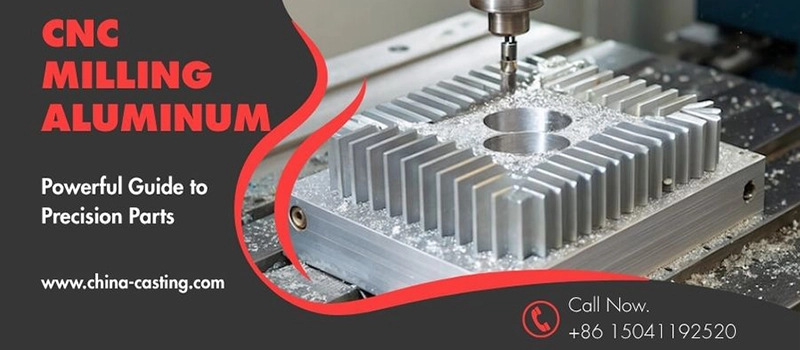
AlSi12 alloy has good machinability, making it easy to process after casting. The silicon-rich structure of AlSi12 generates short chips and minimizes tool wear during machining operations such as milling, drilling, and tapping. Post-casting surface finishing techniques like anodizing, powder coating, and shot blasting are commonly applied to AlSi12 to improve surface quality and corrosion resistance. These treatments enhance the visual appearance and performance of AlSi12 parts in demanding environments.
Heat Treatment Considerations
AlSi12 is typically used in its as-cast condition, especially in high-volume production where cost and cycle time are critical. However, AlSi12 can be heat treated when specific mechanical or thermal stability improvements are needed. While AlSi12 is not as responsive to heat treatment as other alloys like A356 or AlSi10Mg, basic solution aging or stabilization treatments can enhance its hardness and wear resistance. For most casting applications, AlSi12 performs reliably without additional thermal processing, maintaining dimensional stability and functional performance.
Limitations, Certification, and Expert Recommendations
When AlSi12 May Not Be Suitable
AlSi12 alloy, while versatile and cost-effective, has limitations that affect its performance in certain structural applications. The relatively low ductility of AlSi12 makes it prone to cracking under dynamic or impact loading. AlSi12 is also not recommended for parts that require post-weld processing, as its high silicon content negatively impacts weldability and increases the risk of solidification cracking. If a component must withstand high mechanical stress, fatigue, or thermal cycling beyond AlSi12’s stable range, alternative aluminum alloys with higher elongation and mechanical resilience should be considered. In cases where forming, bending, or joining is involved after casting, AlSi12 is generally avoided.
Regulatory Compliance (CE, RoHS, REACH)
AlSi12 alloy is widely used in castings intended for global markets that require strict regulatory compliance. AlSi12 typically meets the material composition requirements for CE-marked components, especially in sectors like electronics, automotive, and machinery. It is also compatible with RoHS and REACH regulations, as AlSi12 does not contain restricted substances beyond regulatory thresholds. When AlSi12 parts are exported to the European Union, the use of authorized representation and full traceability of AlSi12 material specifications is standard practice to ensure conformity. This makes AlSi12 a reliable choice for OEMs requiring documentation and certification as part of their quality systems.
Material Selection Advice Based on Application
AlSi12 is best selected for projects where casting precision, corrosion resistance, and production efficiency are priorities. Applications with tight dimensional tolerances, complex molds, and non-structural performance requirements benefit the most from AlSi12 alloy. When selecting AlSi12, consider whether the product will be used in corrosive or outdoor environments, whether the shape involves intricate detail, and whether post-machining needs to be minimized. However, if mechanical loads or structural welds are part of the design, AlSi12 should be substituted with alloys such as AlSi10Mg or A356. Ultimately, AlSi12 is a cost-effective casting alloy when used within its design parameters, offering consistent casting quality and regulatory acceptance.
Conclusion
AlSi12 alloy offers a reliable balance of castability, corrosion resistance, and production efficiency, making it ideal for precision casting in automotive, machinery, and industrial applications. While not suitable for high-stress or welded structures, its performance in controlled casting environments is consistent and repeatable. When applied within its optimal use cases, AlSi12 enables cost-effective manufacturing with stable quality and international regulatory compliance.