Sheet metal reinforcement is essential to ensure strength, rigidity, and longevity in fabricated components. In this article, I’ll walk you through the 10 most reliable and widely used reinforcement techniques in the metalworking industry—ranging from bends and gussets to reinforcing bars.
As a certified manufacturer with extensive experience in metal fabrication for automotive, construction, and machinery industries, we know how poorly sheet metal reinforcement can lead to structural failures, product returns, or even safety hazards.
By the end of this guide, you’ll not only understand the methods used by professionals but also learn how to select the right technique for your application—reducing cost while improving strength.
Sheet Metal Reinforcement: Concept and Importance
Sheet metal reinforcement is a critical engineering practice used to increase the structural strength, stiffness, and durability of metal components without drastically increasing their weight or material cost. In essence, it’s the strategic enhancement of sheet metal’s performance through specific geometric or mechanical modifications. These techniques transform a flat, pliable sheet into a robust part capable of withstanding various stresses, loads, and environmental factors.
Sheet metal, by nature, is thin and relatively flexible. While this makes it lightweight and easy to form, it also means it can be vulnerable to buckling, warping, tearing, and deformation under pressure. This is especially true when components are exposed to point loads, vibrations, or repeated mechanical stress. Without proper reinforcement, even high-grade sheet metal can quickly fail under conditions common in industrial applications like construction machinery, automotive panels, electrical enclosures, and agricultural equipment.
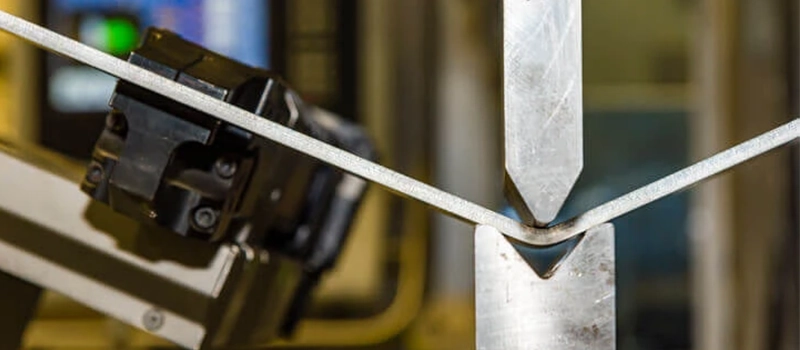
The goal of sheet metal reinforcement isn’t just about making the material “stronger.” It’s about making it smarter—using calculated design features to distribute stress more evenly, support critical points, and resist failure modes such as fatigue cracking or bending deformation. In modern manufacturing, this approach is a vital part of cost-efficient product design. Rather than increasing metal thickness (which raises weight and cost), engineers apply reinforcement features to achieve high performance with less material.
For example, by introducing a simple bend or gusset to a flat metal surface, the moment of inertia increases significantly—enhancing resistance to flexing and reducing the risk of failure under mechanical loading. Reinforcement becomes not just a structural necessity but also a design optimization tool that supports sustainability and manufacturing efficiency.
From a production standpoint, proper reinforcement techniques reduce the need for rework, lower the risk of quality control issues, and improve the reliability of the final product. For customers and end-users, it means longer product life cycles, reduced maintenance, and higher safety assurance.
That’s why sheet metal reinforcement isn’t just a niche technique—it’s a fundamental part of modern industrial fabrication. Whether you’re producing small brackets or large-scale machinery housings, integrating effective reinforcement is essential to ensure the mechanical integrity and longevity of the final product.
Common Sheet Metal Reinforcement Techniques
When it comes to strengthening thin metal components, engineers rely on a wide array of sheet metal reinforcement methods. Each technique serves a specific purpose—whether to resist bending, prevent buckling, or improve load distribution. The right method depends on factors like geometry, application, and cost targets. Below, I’ll walk you through the most commonly used and reliable methods to reinforce sheet metal, developed from decades of industry practice.
1. Bends and Flanges (Sheet Metal Bend Reinforcement)
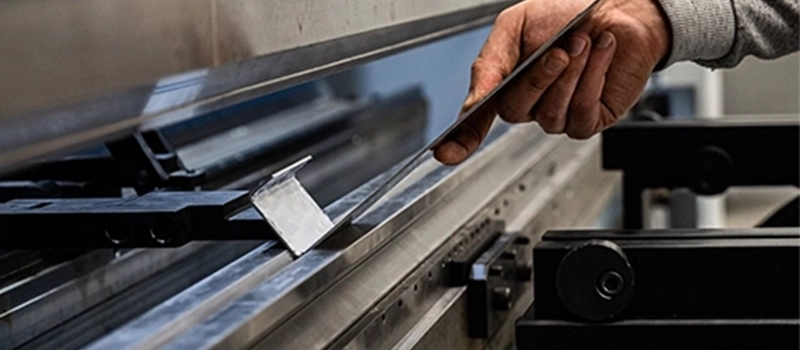
One of the simplest yet most effective ways to reinforce sheet metal is through bending. A flat sheet becomes exponentially stronger when formed into shapes like L, U, or Z profiles. These geometric features increase the moment of inertia, making the part more resistant to bending and flexing. Sheet metal bend reinforcement is widely used in brackets, trays, and enclosures.
Adding flanges—bent edges along the sides of a panel—not only reinforces the perimeter but also provides surfaces for fasteners, sealing, or alignment. These features are easy to implement during forming and require no additional components, making them a highly cost-effective method.
2. Gussets and Reinforcement Plates
A gusset is a triangular or trapezoidal plate that connects two surfaces, adding rigidity at joints or corners. In reinforced sheet metal designs, gussets are usually welded, riveted, or formed in place. They’re critical in load-bearing assemblies, such as frames, mounting brackets, or corner joints.
Reinforcement plates serve a similar purpose and are often used to strengthen specific high-stress areas—like around bolt holes, hinges, or weld seams. They help distribute stress over a larger area, reducing the risk of tearing or localized deformation.
3. Stiffening Ribs and Beads
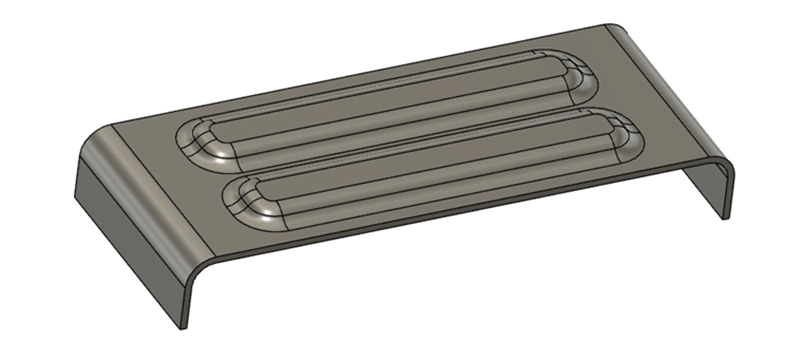
Ribs are linear deformations—either raised or recessed—pressed into the sheet during stamping. These reinforce sheet metal by increasing stiffness along specific axes, especially on large flat surfaces that would otherwise be prone to flexing.
Beads serve a similar purpose and can also aid in alignment, aesthetics, or anti-vibration performance. In HVAC ducts, electrical panels, and automotive body parts, ribs and beads are essential for lightweight yet rigid structures.
4. Sheet-Metal Reinforcing Bars
In applications where structural loads are high, especially in long or flat sections, adding sheet-metal reinforcing bars becomes necessary. These bars—often made from thicker metal or high-strength alloy—are either welded or bolted onto the base sheet.
Unlike flanges or ribs, which are formed from the same sheet, reinforcing bars are external reinforcements that significantly boost strength. They are common in heavy-duty panels, machinery housings, and transport equipment.
5. Embossing and Dimpling
Embossing adds localized bulges or indentations into the sheet metal. While primarily used for labeling or anti-slip surfaces, certain embossing patterns can act as reinforcement by altering the flow of stress across the surface.
Dimpling, often used to create structural joining points like countersinks or fastener seats, strengthens the sheet locally and prevents cracking at attachment points. These features are widely applied in aerospace and electronic enclosures.
6. Hemming and Folding Edges
Folding the edge of a metal sheet back onto itself—called hemming—greatly increases edge strength. This is crucial for components exposed to impact, handling, or assembly stress. Hemmed edges also remove sharpness, improving safety and appearance.
In automotive body panels, door edges, and enclosure covers, hemming is not just structural—it’s a mark of high-quality finishing.
7. Welded or Riveted Structural Inserts
Sometimes, additional metal profiles such as channels, angles, or tubes are attached to the sheet using welds or rivets. These act as external skeletons that dramatically improve rigidity. While more labor-intensive, this method offers customization for large-scale or heavy-duty reinforcement needs.
These structural inserts are often used in trailers, elevator panels, and construction equipment.
8. Spot Welded Tabs and Supports
Strategically placed tabs or brackets can be spot welded directly onto flat sheets. These small features may seem insignificant, but they can reinforce sheet metal by preventing flex in localized areas or supporting mounted components.
This is a modular and scalable method for mid-volume manufacturing, especially in the appliance and telecom industries.
9. Laminated Reinforcement (Sandwich Structures)
In high-performance sectors, such as aerospace and transport, laminated reinforcement is used. This involves bonding sheet metal with internal layers of foam, honeycomb, or composite materials to create sandwich panels that are lightweight yet extremely stiff.
Though costly, this method provides unmatched rigidity-to-weight ratio, especially for thermal or acoustic insulation needs.
10. Formed Corrugations
Corrugation—forming repetitive wave-like patterns into the sheet—is a time-tested technique that dramatically improves strength. Think of corrugated roofing sheets or packaging. In metal, corrugation adds stiffness along the bending axis, allowing thinner gauges to be used without compromising structural performance.
This technique is used in industrial enclosures, HVAC covers, and even mobile equipment panels.
Applications of Sheet Metal Reinforcement Across Industries
The use of sheet metal reinforcement spans a wide range of industries. While the core idea—reinforce sheet metal to improve strength and reliability—remains consistent, the specific applications and techniques vary depending on the operational environment, structural requirements, and performance goals.
Construction and Infrastructure
In the construction sector, sheet metal reinforcement is essential in building frameworks, ventilation ducts, structural panels, and support brackets. Metal roofing systems often rely on corrugated panels or sheet-metal reinforcing bars to withstand wind loads and weather stress. Elevator shafts, HVAC housings, and floor supports frequently integrate sheet metal bend reinforcement to maintain structural integrity under vibration and long-term usage.
Here, the ability to sheet metal reinforcement without significantly increasing weight is crucial for load calculations and compliance with building codes.
Automotive and Transportation
Automotive applications require sheet metal reinforcement not only for structural integrity but also for crash resistance, noise reduction, and manufacturing efficiency. Car doors, hoods, underbody panels, and seat supports commonly feature stiffening ribs, gussets, or reinforcing bars.
Manufacturers use sheet metal bend reinforcement to add rigidity while keeping panels light for fuel efficiency. Sheet metal reinforcement is also used in trailers, buses, and trains, where strength-to-weight ratio directly affects performance and safety.
Agriculture and Heavy Machinery
In agricultural equipment, sheet metal reinforcement ensures that parts like covers, supports, and housings withstand harsh outdoor conditions, mechanical loads, and vibration. Equipment such as harvesters, tractors, and spreaders use sheet-metal reinforcing bars, gusseted plates, and folded flanges to handle repetitive stress and field impacts.
Because these machines are often exposed to mud, dust, and variable forces, reinforced sheet metal enhances both durability and reliability, reducing maintenance needs.
Electrical and Electronics Enclosures
In the electronics sector, reinforced sheet metal is used in server cabinets, control panels, switchgear, and power supply enclosures. These housings require precise dimensions and rigid walls to protect sensitive components, resist EMI (electromagnetic interference), and meet safety certifications.
By using sheet metal bend reinforcement, manufacturers avoid warping or rattling in thin panels while maintaining sleek, compact designs. Additionally, reinforce sheet metal designs are better at supporting internal component mounts and cable management systems.
Aerospace and Defense
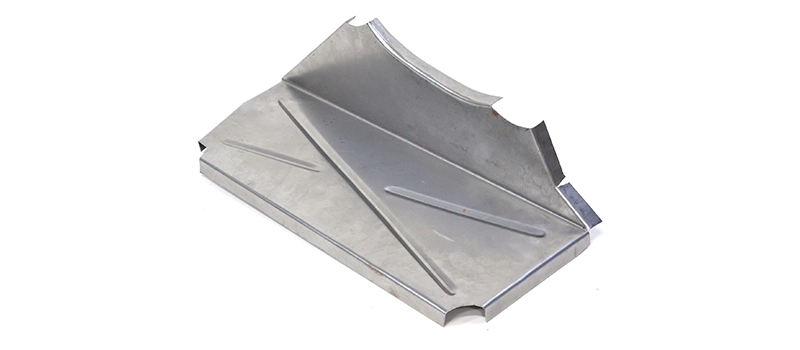
In aerospace and defense, lightweight and high-strength materials are a must. Here, sheet metal reinforcement techniques like laminated sandwich structures, corrugation, and structural inserts are widely applied. Aircraft interior panels, floorboards, and equipment mounts all depend on reinforced sheet metal to meet weight restrictions while ensuring high mechanical performance.
The use of sheet-metal reinforcing bars in drone frames, satellite components, and missile housings reflects the precision and strength needed in mission-critical environments.
Why Sheet Metal Reinforcement Matters Across Industries
In all these sectors, the decision to reinforce sheet metal isn’t just about increasing strength—it’s about ensuring function, reducing failures, and extending product life. Whether through sheet metal bend reinforcement, gussets, ribs, or reinforcing bars, the goal is to design smarter, perform better, and build safer.
Sheet metal reinforcement is a unifying solution across industries facing the same challenge: how to make thin metal components stronger without sacrificing cost or efficiency.
Choosing the Right Sheet Metal Reinforcement Method
Selecting the right sheet metal reinforcement method is not a one-size-fits-all decision. To achieve optimal strength, stability, and cost-effectiveness, engineers and designers must carefully evaluate how to reinforce sheet metal based on multiple factors, including load direction, installation method, fabrication process, and end-use environment.
1. Understand the Functional Requirements
Before choosing a reinforcement technique, it’s essential to define what kind of strength you need. Is it resistance to bending? Torsion? Impact? Or does the application require enhanced stiffness across a large flat surface?
For example:
- If the sheet will experience bending stress, then sheet metal bend reinforcement with V- or Z-shaped folds is ideal.
- If local impact or concentrated load is the issue, then gussets or reinforced sheet metal plates provide better stress distribution.
- For distributed load across long panels, sheet-metal reinforcing bars are the best option.
The method you choose to reinforce sheet metal must directly address the mechanical demands placed on the part during real-world use.
2. Match the Method to Your Fabrication Capabilities
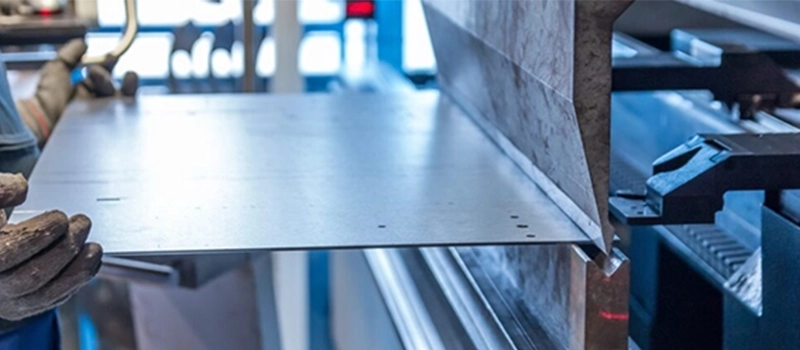
Not every shop has the same tools. Some manufacturers can easily form flanges and ribs, while others specialize in welding or riveting.
- If your equipment supports precision bending, then sheet metal bend reinforcement can be used extensively with minimal added cost.
- If your process includes robotic welding, integrating reinforced sheet metal with structural inserts becomes practical.
- For high-speed stamping or laser cutting, stiffening ribs and dimple features are easier to apply than external bars.
Always align your sheet metal reinforcement choice with your available production technology to avoid unnecessary tooling changes or process disruptions.
3. Consider Material Type and Thickness
Different metals behave differently under stress. Thin aluminum may require broader flanges or thicker sheet-metal reinforcing bars than stainless steel of the same thickness. Similarly, high-strength steel may allow you to reduce the number of reinforcement features needed, provided proper geometry is applied.
When dealing with ultra-thin sheets, even minor reinforcements like dimples or tabs can significantly reinforce sheet metal without adding extra material or weight.
4. Evaluate Assembly and Space Constraints
If the reinforced sheet metal part must fit into a tight assembly or housing, bulky reinforcements like external bars or gusset plates may interfere. In such cases:
- Use bending and folding as your go-to sheet metal reinforcement technique.
- Opt for internal ribs or formed features that add strength without consuming additional space.
Good reinforcement design not only strengthens but also maintains compactness and compatibility with mating components.
5. Balance Cost vs. Performance
Every method to reinforce sheet metal has a cost—whether it’s added material, increased process time, or tool wear. While reinforced sheet metal adds performance, it must also justify the investment.
For budget-sensitive projects:
- Sheet metal bend reinforcement and folded edges offer high ROI.
- Sheet-metal reinforcing bars, while more expensive, are reserved for high-stress or mission-critical parts.
Use simulations or prototype testing to compare reinforcement options in terms of weight, strength, and total cost. The most effective sheet metal reinforcement designs are those that maximize benefit per dollar spent.
Conclusion
In any industry where strength, reliability, and longevity matter, sheet metal reinforcement is not optional—it’s essential. Whether you’re designing for construction, transportation, electronics, or machinery, the decision to reinforce sheet metal can dramatically improve product performance and reduce failure risk.
By choosing the right reinforcement method—be it sheet metal bend reinforcement, gussets, or sheet-metal reinforcing bars—you enhance structural integrity without excessive weight or cost. A well-reinforced sheet metal component is stronger, more stable, and more efficient to produce.
At every stage of design and fabrication, incorporating effective sheet metal reinforcement techniques helps your products meet higher safety standards, pass inspections, and perform under pressure. It’s not just about adding material—it’s about adding intelligence to your structure.
So the next time you look at a thin metal panel or a critical load-bearing part, remember: to reinforce sheet metal is to future-proof your design.