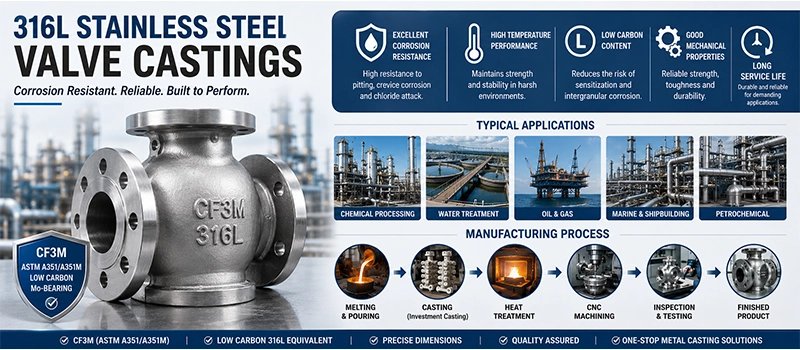
Does lead rust like other metals? Many engineers and procurement specialists assume lead will corrode quickly in exposed environments. But this misunderstanding can lead to unnecessary material substitution, over-engineering, or safety concerns in design planning.
Unlike iron or steel, lead doesn’t form red-brown rust flakes. Instead, it reacts with air or acids in more subtle ways. When not understood properly, this difference can cause confusion about long-term durability, especially in construction, roofing, shielding, or piping systems.
Unlike iron or steel, lead doesn’t form red-brown rust flakes. Instead, it reacts with air or acids in more subtle ways. When not understood properly, this difference can cause confusion about long-term durability, especially in construction, roofing, shielding, or piping systems.
What Is Rust, and Does Lead Actually Rust?
Rust vs Corrosion: A Technical Distinction
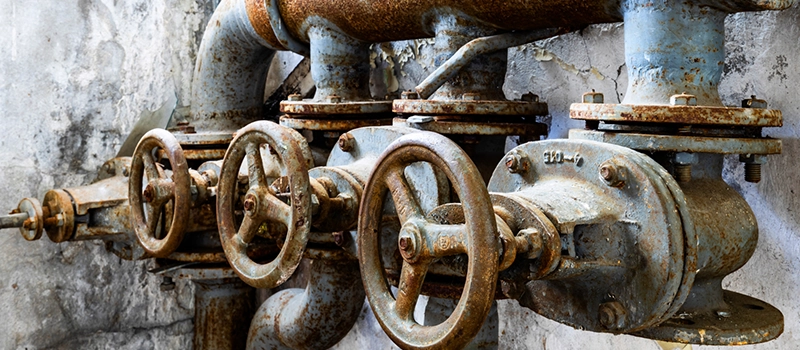
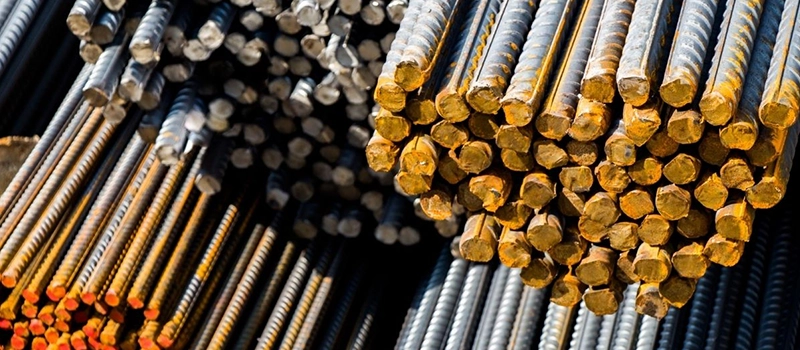
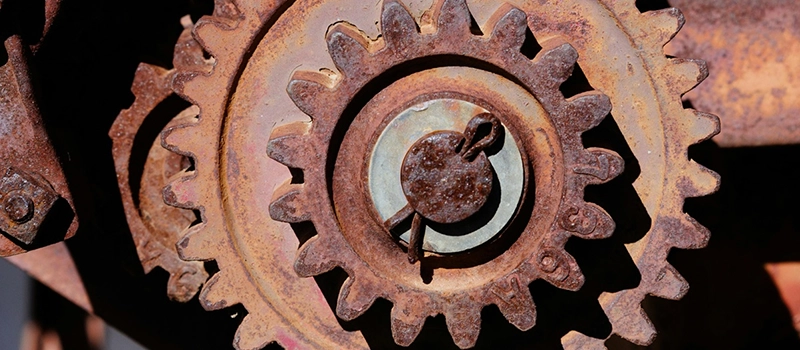
Rust is a specific form of corrosion that occurs only in iron and steel. It results from the electrochemical reaction between iron, water, and oxygen, producing iron oxide (Fe₂O₃), commonly seen as reddish-brown flakes. This reaction is aggressive, and over time, it can severely degrade the integrity of iron-based components.
When the question arises — does lead rust — it’s important to understand that lead is not an iron-based metal. As such, it cannot rust in the traditional sense. The term “rust” does not apply to non-ferrous metals like lead, aluminum, copper, or zinc. These metals corrode differently and form entirely different surface compounds when exposed to air or moisture.
Lead Does Not Rust, But It Does Corrode
Lead is a non-ferrous metal. When exposed to the environment, it undergoes surface oxidation, not rusting. This oxidation results in the formation of compounds such as lead oxide (PbO) or basic lead carbonate (PbCO₃·Pb(OH)₂). Unlike rust, these compounds create a stable and adherent layer on the metal surface that acts as a protective barrier, slowing further corrosion.
In industrial applications, this behavior is considered beneficial. The patina that forms on lead over time protects the underlying metal, much like aluminum’s oxide layer. In many cases, this self-limiting corrosion is what gives lead its long service life, especially in roofing, shielding, or chemical environments.
Why Rust Confusion Happens
The misconception around the question — does lead rust — often stems from visual similarities. Over time, oxidized lead may develop a dull gray or white surface, especially in outdoor exposure. Some mistake this as corrosion failure or “rusting,” but in fact, it indicates the formation of a stable protective oxide.
In metal fabrication or procurement, especially when transitioning between materials like steel and lead, it’s important to recognize this distinction. While steel must be actively protected against rust with coatings or galvanization, lead develops a passive surface layer on its own.
How Lead Corrodes Over Time
Lead’s Unique Corrosion Process
The question does lead rust often leads to confusion because lead, while resistant to traditional rust, still corrodes. However, this corrosion process is fundamentally different. Lead is a non-ferrous metal, which means it does not develop the red, flaky iron oxide typical of rust. Instead, when lead is exposed to the atmosphere, it forms a protective film of lead oxide or lead carbonate on its surface.
This passive film answers the question — does lead rust — by showing that lead doesn’t rust at all. What it does instead is oxidize in a way that creates a stable and adherent barrier. This protective layer insulates the underlying metal from further corrosion, making it ideal for long-term use in exposed environments like roofing, chemical processing, or marine applications.
Long-Term Corrosion Behavior
Understanding whetherlead rusts means recognizing the unique way lead corrodes over time. Unlike steel, which can corrode aggressively if left unprotected, lead forms a tightly bonded patina. This natural layer of corrosion products — lead oxide (PbO), lead carbonate (PbCO₃), and sometimes lead sulfate — acts as an automatic defense system.
In clean or mildly polluted air, corrosion rates for lead are exceptionally low. The reason lead doesn’t rust is because this oxide doesn’t flake off like rust does. Instead, it stays in place, even in changing weather, and slows further chemical reactions. For this reason, lead sheeting and shielding components are often left unpainted in industrial installations.
Even under slightly acidic or marine conditions, the rate of corrosion is measured in microns per year. In practical terms, this means that lead components can perform effectively for decades without needing replacement or treatment — another reason why professionals ask, does lead rust, and are surprised by its resilience.
Practical Considerations in Fabrication
In fabrication, the knowledge that lead doesn’t rust has a direct effect on material selection and finishing. Since lead naturally resists aggressive corrosion, it doesn’t require protective coatings, galvanization, or cathodic systems used for rust-prone metals. This makes it cost-effective over its service life, especially in external installations.
However, the misunderstanding about whether or not lead rusts may lead some engineers to over-specify protective measures, unnecessarily increasing project costs. Instead, recognizing the true corrosion behavior of lead allows for smarter procurement and clearer specifications.
Environmental Factors That Influence Lead Corrosion
The Role of Air, Moisture, and Carbon Dioxide
In discussions around corrosion, many professionals still ask, does lead rust when exposed to the elements? While lead does not rust in the way iron or steel does, its corrosion behavior is shaped by specific environmental conditions. The presence of air and moisture is essential in forming the passive oxide layer that protects lead over time.
Carbon dioxide in the atmosphere also plays a role. In slightly moist environments, CO₂ reacts with the lead surface to form basic lead carbonate. This grayish-white patina is a hallmark of long-term exposed lead and serves as a natural barrier against further degradation. Because of this stable surface reaction, lead is often selected for use in outdoor applications such as cladding, roofing, or shielding.
Corrosion in Urban, Marine, and Industrial Environments
The question does lead rust becomes especially important when assessing durability in more aggressive environments. In marine areas, where salt-laden air is present, lead shows moderate corrosion resistance. The chloride ions can interfere with passive film formation, but overall, lead still maintains better long-term integrity compared to uncoated steel.
In urban or industrial environments, where sulfur compounds or acid rain are common, lead may form additional compounds such as lead sulfate. These compounds still contribute to surface passivation, but their stability depends on environmental pH and contaminant concentration.
Even in these harsh conditions, the core answer remains consistent—lead does not rust, but it may corrode slowly depending on specific exposures. Compared to other materials used in similar environments, lead continues to perform reliably, often outlasting coated steel or aluminum in terms of surface stability.
Submersion and Underground Exposure
When buried in soil or submerged in water, the performance of lead varies based on chemical composition. In neutral to slightly acidic soils, lead maintains a stable corrosion profile, especially when oxygen levels are low. This has made it suitable for underground piping or cable sheathing.
However, in highly acidic or chloride-rich environments, localized corrosion can occur, particularly if the protective layer is disrupted by abrasion or chemical attack. In such cases, the perception that lead doesn’t rust must be clarified with an understanding of how different environments affect corrosion rate, not just whether visible rust appears.
Key Environmental Considerations
- Lead is not affected by oxygen in the same way iron is, so oxidation is passive rather than destructive
- High humidity accelerates patina formation but does not cause rusting
- Acidic pollutants and marine salts may increase corrosion, though slowly
- Mechanical wear can damage protective layers and should be minimized in design
Understanding these factors allows engineers and procurement officers to assess whether lead is appropriate for a given installation. It also helps answer the recurring question—does lead rust—with a qualified and practical understanding of material performance.
Common Applications That Rely on Lead’s Corrosion Resistance
Industrial Use Cases Where Corrosion Resistance Matters
In many industries, material selection revolves around long-term durability in corrosive environments. This is exactly where the question — does lead rust — becomes more than just academic. Engineers need materials that won’t degrade under atmospheric exposure, chemical contact, or long-term outdoor use.
Lead, due to its unique corrosion behavior, is a preferred choice in applications where steel would rust quickly and aluminum might require coating. The fact that lead does not rust like ferrous metals means it can maintain structural and functional integrity for decades, even without paint or plating. This characteristic continues to support its relevance in modern fabrication and infrastructure.
Roofing, Flashing, and Architectural Sheeting
One of the most visible answers to does lead rust can be found on rooftops across Europe, where lead flashing and sheeting has survived for over a century. These applications highlight lead’s passive corrosion resistance, particularly in areas exposed to rain, wind, and temperature fluctuations.
Unlike steel flashing that can corrode and stain surrounding materials, lead develops a consistent gray patina that protects it from further chemical attack. It conforms well to shapes, making it ideal for chimneys, dormers, and skylights. The absence of visible rust, even after decades, is direct evidence that lead resists the type of breakdown associated with rusting metals.
Radiation Shielding and X-ray Room Lining
In medical and nuclear facilities, lead is commonly used for radiation shielding. Here again, the question does lead rust becomes critical for ensuring long-term performance in regulated environments. These installations demand materials that remain stable without flaking, corroding, or contaminating surrounding systems.
Because lead doesn’t rust, it is preferred for lining walls, equipment, and even containers that house radioactive material. The formation of a non-reactive oxide layer means it doesn’t degrade over time, helping facilities avoid downtime or maintenance linked to corrosion failures.
Subsea Cables and Piping Jackets
In offshore and underground settings, lead sheathing is often used to protect power cables and pipelines. The reason? Lead doesn’t rust — and its corrosion rate remains low, even in moist or buried environments. This is particularly important for energy infrastructure where long service life is required.
While chloride exposure may accelerate surface oxidation, the corrosion layer remains compact and slow-forming. Compared to carbon steel, which requires constant maintenance, lead serves as a low-touch, high-performance solution for corrosion-prone zones.
Chemical Storage Linings and Tank Cladding
In corrosive chemical environments, lead is sometimes used as a liner or external cladding material. The lack of rusting, combined with resistance to many acids and alkalis, makes it viable for tanks, pipes, and reaction vessels. Fabricators choose lead not just for its chemical resistance, but because it doesn’t flake off like rusted metal — which is critical for contamination control.
In these cases, engineers frequently ask, does lead rust — and the answer determines whether secondary containment or external coatings are required. With lead, many systems can operate without additional corrosion protection, saving both material and labor costs.
Misconceptions About Lead Rusting in Fabrication and Procurement
Why Misunderstandings Still Exist
In procurement conversations and design reviews, it’s common to hear questions like does lead rust like steel or will lead need a coating to prevent rust? These questions stem from a basic misunderstanding of the differences between rust and general corrosion. Because rust is so closely associated with visible metal damage, many assume all corrosion looks and behaves the same.
But lead is not iron-based. So the question does lead rust is actually rooted in a faulty comparison. Lead undergoes oxidation, but not rusting. It forms a protective surface patina rather than the flaky red iron oxide found on rusted steel. This fundamental difference continues to confuse buyers, engineers, and even some suppliers, especially those more familiar with ferrous materials.
Procurement Risks of Confusing Rust with Oxidation
When engineers misinterpret surface oxidation on lead as rust, they may incorrectly assume failure or degradation. This leads to over-specification of protective coatings, or worse — selecting an inappropriate substitute material. In RFQs or BOMs, the note coating required to prevent rust is often applied to lead unnecessarily.
Here, clarifying does lead rust becomes essential to cost control and procurement accuracy. If not addressed early, buyers may introduce redundant surface treatments or reject compliant parts simply due to their appearance. This is particularly common in international sourcing, where language or documentation mismatches can lead to misinterpretation of lead’s corrosion behavior.
Drawing and Documentation Challenges
Technical drawings or 3D models that don’t specify material expectations clearly can also lead to mistakes. If a customer expects “non-rusting metal” but sees white or gray oxidation on lead parts, they might mistake it for product failure. Including notes that explain that lead “does not rust” but “may oxidize and form protective patina” helps manage expectations.
In many cases, simply answering does lead rust with a confident, technical explanation can save time and prevent unnecessary revisions or supplier disputes. Especially for OEMs and fabricators working with lead for the first time, a better understanding of its behavior reduces confusion and ensures smooth production.
Supplier Communication and Training
It’s also helpful for sales teams and technical staff to be aligned on terminology. Saying “lead doesn’t rust, but it does corrode slowly” is accurate and sets the right expectations. This ensures the entire supply chain — from raw material supplier to end-user — understands the unique surface changes lead may undergo over time.
This section is often overlooked in technical communication, yet it’s key to reducing project delays and minimizing sourcing errors. Clear communication on whether or not lead rusts makes a tangible difference in how material performance is judged in real-world conditions.
Is Lead Still a Good Choice? Safe Use and Modern Considerations
Evaluating Lead Beyond the Rust Question
While many ask does lead rust to evaluate surface durability, modern material selection goes beyond corrosion resistance. It includes safety, environmental regulations, recyclability, and lifecycle performance. Lead’s unique ability to resist rust-like degradation makes it attractive in many applications, but designers must weigh additional factors before specification.
Lead does not rust like steel, and its oxidation behavior makes it stable for long-term exposure. However, its use is now increasingly governed by health and environmental standards, especially in North America and Europe. Restrictions on lead use in potable water systems, household products, and electronics have prompted manufacturers to assess both performance and compliance.
Managing Safety in Industrial Applications
In industrial environments — roofing, radiation shielding, chemical handling — lead remains a relevant choice due to its corrosion behavior. Still, safety protocols are important. Handling lead requires basic personal protective equipment (PPE) to prevent ingestion of dust or particles. Most risk arises during cutting, welding, or improper disposal, not from the metal itself.
For buyers asking does lead rust with concern for maintenance or replacement, it’s worth noting that properly installed lead components rarely degrade in service. That reliability makes lead a low-maintenance option in environments where stability matters more than structural load-bearing.
Alternatives and Recyclability
When lead cannot be used due to regulation, other materials like coated steel, tin alloys, or synthetic composites may be considered. However, these substitutes may not match lead’s corrosion behavior. For instance, coated steel can still rust if the coating fails — reigniting the problem that the question does lead rust aims to solve.
From a sustainability perspective, lead is 100% recyclable, and industrial recycling systems for lead are well-established. This makes it a viable material in closed-loop manufacturing where lifecycle and material recovery are prioritized.
Final Considerations for Procurement and Design
Lead remains a useful and corrosion-resistant material when used correctly and safely. The concern behind does lead rust should not overshadow the broader picture: lead resists corrosion through passivation, not rusting, and it performs exceptionally well in specific applications.
Its long history of use in harsh environments, paired with low degradation rates, supports its continued use — provided compliance with safety and regulatory requirements is maintained.

How to Identify Lead Corrosion in Practice
Understanding Visual Clues: Does Lead Rust or Just Oxidize?
When inspecting lead components, many procurement teams or maintenance engineers ask the same question: does lead rust when exposed to moisture, air, or industrial environments? The concern is valid, especially when surface discoloration or residue appears. However, what looks like rust at first glance is usually oxidation, not structural damage.
Lead does not rust like iron or steel. Instead, lead forms a stable oxide layer that adheres tightly to its surface. This layer typically appears as a gray, bluish-gray, or dull white film—especially in outdoor conditions. For those wondering does lead rust over time, this visual layer is actually evidence of the opposite: it shows that the lead is forming a natural barrier to prevent further corrosion.
Unlike flaky rust found on ferrous metals, this patina on lead surfaces is protective. The compact nature of the film slows down chemical reaction with the environment. So if you’re examining roofing lead, lead-lined equipment, or cable sheathing and see a uniform gray finish, the correct answer to does lead rust is still no—it resists rust by passivating itself.
How to Spot Normal vs Abnormal Surface Changes
Routine oxidation is expected. What you’re seeing is a passive oxide—not rust. Surface traits that confirm normal corrosion behavior in lead include:
- Even gray or white discoloration
- A matte or chalky texture that doesn’t flake
- No underlying metal exposure or cracking
These characteristics indicate that the material is performing as expected. Asking does lead rust in this context reveals a knowledge gap—one that, if uncorrected, could lead to unnecessary part rejection or supplier disputes.
Abnormal signs, however, may warrant concern:
- Irregular pitting or deep etching
- Green or dark discoloration (possibly chemical contamination)
- Localized damage from abrasion or acid exposure
Even in these cases, the issue is corrosion—not rust. Still, close evaluation is important to determine whether the passive layer has failed.
Inspection Tips: Answering Does Lead Rust in Quality Control
To confidently assess whether surface changes are acceptable, fabrication teams and procurement officers should follow a few best practices:
- Use magnifiers to assess for pitting, not just color changes
- Ensure the oxide layer is continuous, not peeling
- Confirm no sharp drop in thickness where surface damage is visible
- Look for patterns that suggest abrasion or chemical spill—not natural aging
When clients or colleagues ask, does lead rust like other metals, your answer can be clear and confident. No, lead does not rust. But yes, it does oxidize—and that oxidation is what protects it. Educating your team on this distinction saves time, avoids miscommunication, and improves material selection.
Maintenance Tips for Lead-Based Components
Does Lead Rust Without Maintenance?
One of the most frequent questions asked by engineers, buyers, and facility managers is: does lead rust if left untreated? The answer plays a major role in determining long-term maintenance strategies. In contrast to steel or iron, lead does not rust in the traditional sense. But understanding this difference is essential to making informed decisions.
The keyword does lead rust often appears in supplier inquiries, especially when visible surface discoloration or oxidation is present. This misunderstanding can lead to unnecessary surface treatment or rejection of parts. The truth is that lead resists rust by forming a stable oxide film — and this layer requires little to no intervention under normal conditions.
So, does lead rust without periodic cleaning? No. It oxidizes, not rusts, and that distinction means that in many environments, maintenance can be kept to a minimum.
Surface Cleaning and Handling
If someone still wonders does lead rust if exposed to the elements, the answer is again no — but routine cleaning can still support surface integrity in high-aesthetic or sensitive applications.
Safe cleaning practices include:
- Gently wiping lead with a damp cloth and mild detergent
- Avoiding steel wool or rough materials that strip oxidation
- Letting the protective oxide layer remain intact when possible
When buyers see oxidation and ask does lead rust because of surface changes, it’s important to clarify that oxidation is normal and stabilizing — not damaging like rust.
Does Lead Rust Under Harsh Conditions?
In rare scenarios, does lead rust could become a practical concern — not because it actually rusts, but because its protective film can be compromised.
Environments where lead might need protective intervention include:
- Chemical processing areas with strong acids
- Coastal installations with aggressive salt air
- Situations involving mechanical abrasion or vibration
In these use cases, applying sealants or coatings can enhance protection. Not because lead rusts, but to preserve the oxide layer that prevents deeper corrosion.
Storage Guidelines to Prevent Misunderstanding
Lead can be stored for years without issues, but poorly ventilated or contaminated storage areas can raise false concerns about rust. For example, if parts are stored near ferrous metals or acidic vapors, surface discoloration may cause someone to ask, does lead rust in storage?
To avoid confusion:
- Keep lead in dry, clean environments
- Avoid stacking lead with rust-prone metals
- Use anti-corrosive wrapping when storing in reactive atmospheres
- Educate teams on how lead behaves differently from iron or steel
In the end, understanding the answer to does lead rust is more than a technical fact — it guides everything from inventory planning to field installation. Lead’s natural resistance to rust reduces maintenance costs, simplifies cleaning, and supports long service life in harsh or exposed environments.
Conclusion
Although lead may show signs of surface oxidation, it does not rust like iron or steel. By understanding how lead resists corrosion through natural oxide formation, professionals can confidently answer the question does lead rust and make smarter decisions in purchasing, maintenance, and application.