Have you ever encountered metal castings that appear flawless on the surface but crack under cold conditions? Do components that pass standard room-temperature testing suddenly fail when exposed to low temperatures? These types of failures are often not due to design or surface defects but are caused by a hidden issue known as cold shortness.
Cold shortness refers to the tendency of certain metals to become brittle and prone to cracking at low temperatures. This condition is typically the result of impurities such as sulfur or phosphorus, which segregate along grain boundaries during solidification. The presence of these elements compromises the ductility and toughness of the metal, especially in cold service environments. As a result, products that seem mechanically sound may fail when placed under stress during actual operation.
In industrial manufacturing, cold shortness is recognized as a critical quality concern. Many international material and product standards, including those applied in structural engineering, automotive, and machinery applications, consider cold-induced brittleness a disqualifying defect. From a quality assurance perspective, detecting and preventing cold shortness is essential to ensure the strength, performance, and safety of metal components used in demanding or low-temperature environments.
Understanding Cold Shortness in Casting
What Is Cold Shortness?
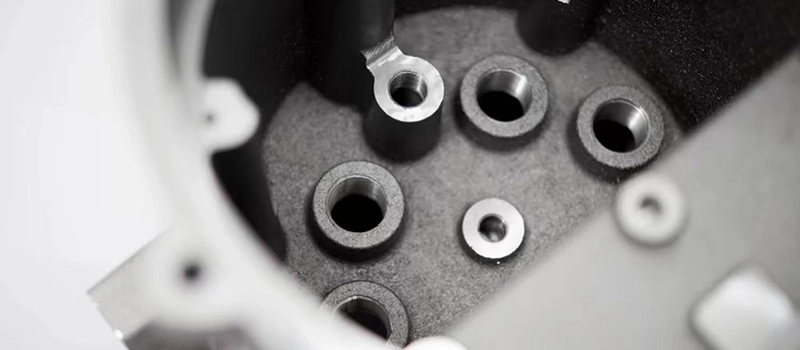
Cold shortness is a metallurgical defect that causes cast metals to become brittle and fracture-prone at low temperatures. Unlike common surface defects, cold shortness affects the internal structure of the metal, making it especially dangerous in applications where the product will be exposed to cold climates, refrigeration, or sub-zero operating conditions. The condition typically arises when certain elements, such as sulfur or phosphorus, are present in the metal and segregate at the grain boundaries during solidification.
When and Why It Matters
This defect often goes unnoticed during production or room-temperature inspection. A component might pass standard tests in the factory but fail during service in colder environments. The risk is particularly high in industries such as construction, transportation, and energy, where cast metal components are subjected to variable weather or low-temperature industrial processes.
Cold shortness is more than just a flaw—it directly impacts the performance, durability, and safety of metal products. For that reason, recognizing the potential for this defect at the design and material selection stage is critical for manufacturers and buyers alike. Understanding what cold shortness is and how it forms is the first step toward preventing costly failures in the field.
Root Causes: Impurities, Structure, and Temperature
The Role of Impurities in Cold Shortness
Sulfur Segregation
Cold shortness often begins with the presence of sulfur in the metal. Sulfur tends to form iron sulfide (FeS), which has a much lower melting point than the surrounding base metal. During solidification, these sulfide particles migrate to the grain boundaries, creating localized weak zones. These areas are particularly sensitive to fracture when exposed to stress in cold conditions.
Phosphorus and Reduced Ductility
Phosphorus can also contribute to cold shortness, even in relatively small amounts. It reduces the overall ductility of the alloy and promotes embrittlement. In cast steels or irons, phosphorus segregation leads to brittle fracture behavior under low-temperature service or dynamic loading.
Microstructure and Grain Boundary Behavior
Grain Boundary Weakness
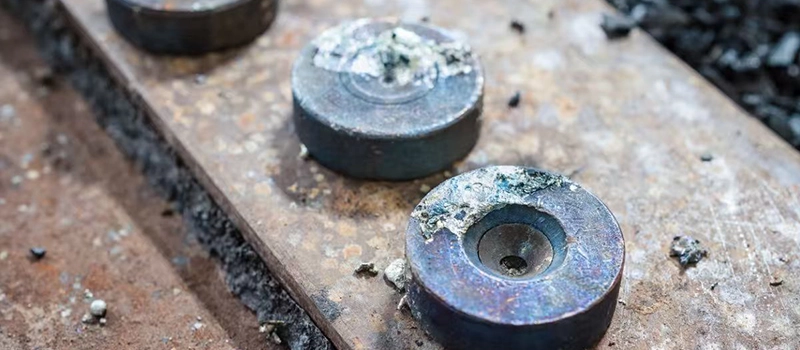
As molten metal cools and crystallizes, it forms internal grains separated by boundaries. These grain boundaries are natural discontinuities, and if weakened by impurity buildup, they become points of stress concentration. In cold conditions, where metals become less ductile, the chance of crack initiation at these weak boundaries increases significantly.
Brittleness at Low Temperatures
At lower temperatures, metals have a reduced ability to deform plastically. This makes them more susceptible to sudden fracture, especially when internal structures have been compromised. Cold shortness exploits this condition, resulting in premature failure under mechanical load.
Temperature Control During Casting
Uneven Cooling
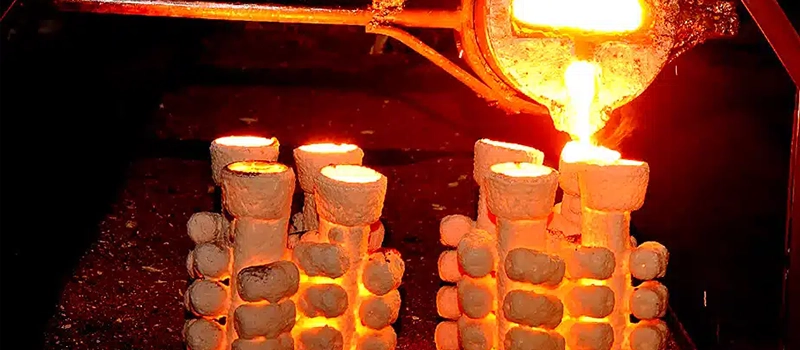
Improper cooling rates can lead to thermal stress and accelerate impurity segregation. Rapid or uneven cooling during solidification increases the likelihood that sulfur and phosphorus will concentrate at the grain boundaries rather than being uniformly distributed.
Process Variation and Risk
Casting environments without consistent thermal control—such as outdated equipment or unregulated furnace temperatures—introduce variation into the process. This variation raises the risk of cold shortness and compromises product reliability, particularly for structural or load-bearing parts.
Mechanical Consequences: How Cold Shortness Weakens Metal
Loss of Ductility and Toughness
Fracture Under Low Temperature Stress
When a casting contains cold shortness, its ability to withstand mechanical stress decreases significantly—especially in low-temperature environments. Metals with this defect lose ductility, meaning they can no longer bend or deform under load. Instead of absorbing stress, the material fractures with little warning.
This is particularly dangerous in applications like outdoor machinery, refrigerated storage systems, or structures exposed to winter climates. Even modest mechanical stress, such as vibration or impact, can cause a brittle failure in components affected by cold shortness.
Reduced Toughness at Grain Boundaries
The fracture behavior is often intergranular—meaning cracks travel along the grain boundaries, where impurities like sulfur and phosphorus are concentrated. These areas are weaker than the surrounding material, and once a crack initiates, it spreads rapidly. This compromises the toughness of the entire component and makes failure unpredictable.
Decrease in Load-Bearing Capacity
Tensile Strength Reduction
Metals affected by cold shortness often show lower tensile strength than their nominal material specifications. This is because the internal microstructure is compromised, and the material cannot resist pulling forces as effectively. In safety-critical applications, such as support brackets, fasteners, or load arms, this reduction can lead to structural collapse.
Increased Risk in Cyclic Loading
Under conditions of repeated loading—such as vibration, rotation, or thermal cycling—components with cold shortness deteriorate faster. Microscopic cracks can grow over time, even without visible damage. This type of failure is especially problematic in automotive parts, mining equipment, and heavy machinery where long-term durability is expected.
Practical Implications for Product Performance
Shortened Service Life
Even if a product meets dimensional and surface quality requirements, cold shortness can drastically reduce its usable life. The material may function well in the short term, but once subjected to environmental stress, it becomes unreliable.
Downtime and Repair Costs
Failures due to cold shortness often result in unplanned maintenance, operational downtime, and added costs. For end users, especially in industrial settings, these consequences go beyond inconvenience—they directly impact productivity and profitability.
Visible and Hidden Quality Issues in Cold-Short Castings
External Signs During Machining and Handling
Brittle Fracture Under Routine Operations
While many internal casting defects are discovered through lab testing, cold shortness often reveals itself during routine manufacturing steps. Machining, drilling, or tapping cast components with this defect can result in sudden cracking or chipping. These brittle fractures are not always predictable and may occur without warning, especially at corners or around holes where stress concentrates.
Poor Edge Integrity and Surface Flaking
Edges and fine features are particularly vulnerable. A casting affected by cold shortness may show flaking, spalling, or edge crumbling during finishing processes. These symptoms can make even a visually acceptable part unsuitable for assembly or further use, especially in applications requiring tight tolerances or clean mating surfaces.
Issues in Dimensional Accuracy and Stability
Warping and Microcracks Post-Processing
Although cold shortness is fundamentally a structural defect, it also has an indirect impact on dimensional reliability. After heat treatment or machining, internal stresses may be released unevenly, causing slight warping or microcrack propagation. These changes may not be visible initially but can cause functional problems during product assembly or operation.
Surface Finish Inconsistencies
Another issue arises in the form of inconsistent surface finish. During cutting or polishing, castings with cold shortness may respond unpredictably—producing rough spots, discoloration, or uneven textures. These symptoms can signal deeper structural flaws that require further inspection.
Challenges for End Users and Quality Inspectors
Difficult to Detect Without Testing
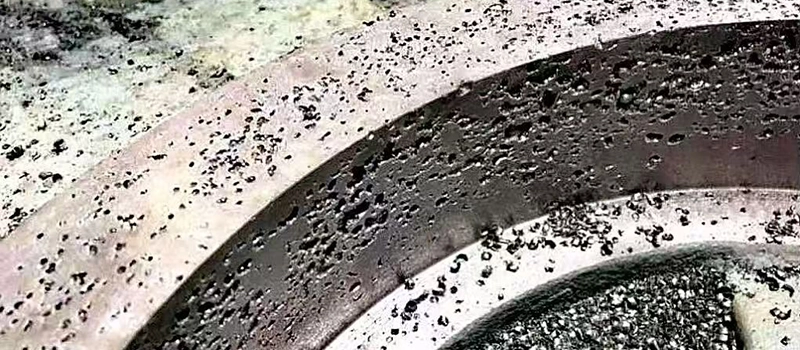
Cold shortness does not always leave obvious visual cues. A part may appear normal during incoming inspection but fail during application. This makes it difficult for quality teams to detect without more advanced tools such as impact testing, microstructure analysis, or fracture surface examination.
Customer Complaints and Product Returns
From a commercial standpoint, hidden defects like cold shortness often lead to downstream issues. Products may pass initial quality checks but break once installed, resulting in warranty claims, product returns, or even safety incidents. These outcomes damage customer trust and increase costs for both suppliers and buyers.
Prevention Strategies: From Material Selection to Final Testing
Choosing the Right Materials
Use Low-Sulfur and Low-Phosphorus Alloys
Preventing cold shortness starts with selecting appropriate raw materials. Alloys with low sulfur and phosphorus content are less likely to develop intergranular weakness. Many suppliers now offer steel and iron grades with controlled impurity levels specifically designed to reduce brittleness at low temperatures.
Incorporate Manganese to Neutralize Sulfur
In some cases, small amounts of sulfur may be unavoidable. To mitigate its effects, manganese is often added during alloy formulation. Manganese forms manganese sulfide (MnS) instead of iron sulfide, which is less harmful and distributes more uniformly throughout the structure.
Control in the Casting Process
Maintain Consistent Cooling Rates
Solidification control is critical. Uneven or excessively fast cooling encourages impurity segregation and increases thermal stress, both of which contribute to cold shortness. Using modern molds with controlled heat dissipation and following carefully managed cooling curves can help produce more uniform microstructures.
Avoid Contamination in Melting and Pouring
Cleanliness in the melting and pouring process also matters. Cross-contamination from ladles, furnaces, or poor handling practices can introduce unwanted elements. Regular slag removal and proper furnace maintenance reduce the risk of introducing cold-shortness-causing impurities.
Inspection and Quality Assurance Measures
Perform Impact and Fracture Toughness Tests
Standard mechanical testing, such as the Charpy impact test, is effective for identifying materials prone to cold shortness. These tests evaluate how much energy a material can absorb before fracturing—especially at lower temperatures.
For higher assurance, some buyers may specify low-temperature impact testing as part of their technical requirements, particularly for parts used in outdoor, refrigerated, or high-vibration environments.
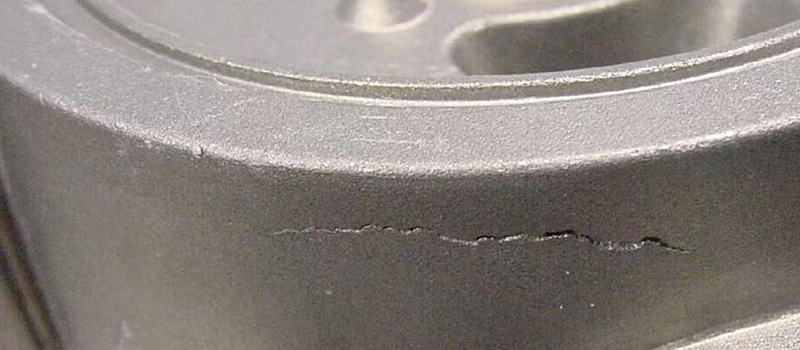
Use Microstructure Analysis for Internal Defects
Metallographic examination of cross-sections under a microscope can reveal sulfide or phosphorus segregation at grain boundaries. These analyses are often performed during material qualification, but they can also be used in random batch inspection for critical parts.
Require Material Certifications and Traceability
Working with certified suppliers and requesting mill test reports (MTRs) that confirm chemical composition can significantly reduce the risk of receiving cold-short castings. Certification to standards such as ISO 9001 or CE compliance often includes documentation of process control, chemical analysis, and quality checks.
Conclusion
Cold shortness is a critical issue that directly affects the performance, durability, and safety of cast metal components, especially in low-temperature environments. By selecting low-impurity materials, maintaining process control during casting, and applying proper inspection methods, manufacturers can effectively reduce the risk. For buyers and engineers, understanding this defect is essential to ensuring that products meet both structural and operational expectations. Taking preventive steps early in the supply chain protects long-term quality and reliability.