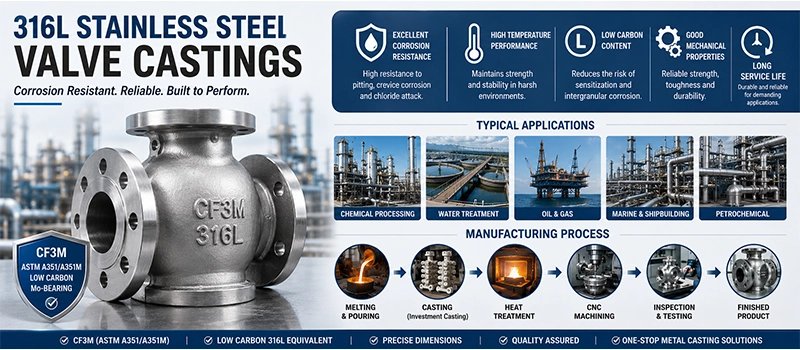
According to CE marking regulations and international quality frameworks such as ISO 9001 and RoHS directives, the use of a metal die cast enclosure is considered a compliant and reliable practice in industrial equipment manufacturing. These enclosures are recognized for their ability to meet structural, thermal, and electromagnetic compatibility requirements. Their consistent performance across multiple sectors—including automotive, telecommunications, and power systems—has made them a standard for equipment designers and regulatory auditors alike.
Metal die cast enclosure selection plays a critical role in industrial product development, especially in applications exposed to vibration, extreme temperatures, and corrosive environments. Engineers and OEMs face increasing demands to specify enclosure solutions that ensure durability, precise tolerances, and large-scale manufacturability. Traditional housing options—such as plastic or sheet metal—often fail to meet the combined mechanical, thermal, and regulatory demands of modern systems.
Metal die cast enclosures solve these challenges through high-pressure casting techniques that produce dense, accurate, and highly durable housings. Post-processing technologies like CNC machining services allow for precise detailing, while laser cutting service integration ensures custom component compatibility. Together, these methods support scalable production without sacrificing enclosure performance, compliance, or reliability—making them a key technology across today’s industrial landscape.
Understanding Metal Die Cast Enclosures
Definition and Functional Purpose
A metal die cast enclosure, commonly used in conjunction with CNC machining services and components prepared through laser cutting service processes, is a protective housing designed for precision and durability in industrial environments. It is produced through high-pressure die casting, where molten non-ferrous metal—such as aluminum, zinc, or magnesium—is injected into a precision-engineered steel mold. This process yields a robust, dimensionally consistent structure ideal for shielding sensitive components in sectors such as automotive, energy, electronics, and heavy equipment manufacturing.
Core Performance Characteristics
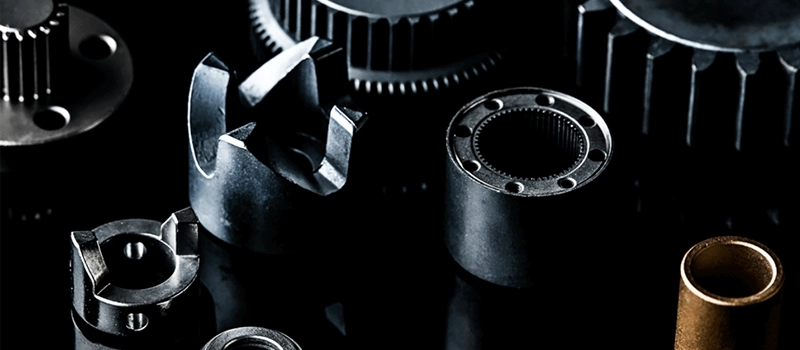
Metal die cast enclosures offer a combination of mechanical strength, thermal conductivity, and corrosion resistance that make them indispensable in high-performance applications. They withstand vibration, chemical exposure, and thermal cycling, ensuring reliable function in both indoor and outdoor settings. Compared to plastic housings, they deliver enhanced electromagnetic shielding and better heat dissipation. In contrast to traditional fabricated sheet metal enclosures, die cast variants allow for more complex geometries, seamless integration, and fewer assembly components, reducing labor and material costs.
Role in Modern Industrial Equipment
With industrial systems becoming more compact and functionally dense, enclosure design must adapt to tighter spaces and multifunctional requirements. Die casting supports these needs through highly moldable geometry and thin-wall capability. Post-processing techniques, especially CNC machining services, refine these castings for exact fit and assembly features. Combined with precision-cut internal components enabled by laser cutting service providers, metal die cast enclosures provide the structural backbone for modern control units, sensor housings, and electronic modules—meeting both performance standards and production scalability.
Materials and Technologies Behind Die Casting
Common Die Casting Materials
Aluminum Alloys
Aluminum alloys, such as A360 and A380, are the most widely used materials for metal die cast enclosures. They provide an excellent strength-to-weight ratio, high corrosion resistance, and efficient thermal conductivity. These properties make them well-suited for enclosures used in automotive electronics, industrial power modules, and heat-sensitive control units. Aluminum also performs well in post-processing, including CNC machining, drilling, and tapping, which are often required to meet tight dimensional tolerances.
Zinc Alloys
Zinc alloys like Zamak 3 and Zamak 5 are preferred for applications that demand intricate detail and dimensional stability. Zinc offers excellent fluidity, allowing it to fill complex mold cavities with thin walls and fine features. It also supports superior surface finishes, making it a practical choice for parts requiring plating or coating. Additionally, zinc has a lower melting point, reducing tool wear and energy consumption during production.
Magnesium Alloys
Magnesium die casting, while less common, is essential in applications where weight reduction is critical. It is approximately 33% lighter than aluminum and provides adequate strength, good EMI/RFI shielding, and shock resistance. Although more expensive and technically challenging to process, magnesium enclosures are ideal for aerospace, portable medical devices, and high-end electronics where every gram matters.
Surface Finishing and Coating Technologies
Powder Coating
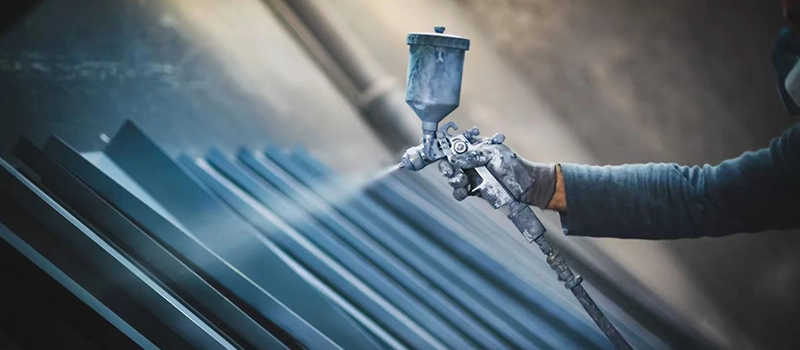
Powder coating is frequently applied to metal die cast enclosures for abrasion resistance, uniform color, and protection against corrosion. This dry finishing process allows for thicker coatings without running or sagging and performs well in both indoor and outdoor environments.
Anodizing
Anodizing is used primarily for aluminum die cast enclosures. It enhances corrosion resistance, wear resistance, and surface hardness. Anodized surfaces can also be dyed in various colors, which is useful for product differentiation and branding.
Electrophoretic Deposition (E-Coating)
E-coating is a uniform, thin-film coating technique that offers excellent corrosion protection and is commonly used on zinc and magnesium enclosures. It is especially suitable for parts with complex geometries that require full surface coverage, including internal cavities.
Alloy Selection Criteria
Application Requirements
Alloy selection must align with application-specific demands. For instance, enclosures used in high-vibration environments such as automotive powertrains require materials with high fatigue resistance. In contrast, electronic housings demand alloys with superior EMI shielding and thermal dissipation properties.
Compatibility with Secondary Processes
The chosen alloy must also be compatible with secondary operations such as CNC machining services or surface texturing. Some aluminum alloys allow for easier post-processing, while others may offer better performance at the cost of more machining time.
Cost and Volume Considerations
Higher-volume projects may favor zinc for its lower tooling wear and casting cycle efficiency. In contrast, aluminum is more cost-effective for medium-to-large enclosures where structural rigidity is prioritized. Magnesium, while costly, may be justified by its weight-saving benefits in niche applications.
Die Casting Manufacturing Process
Overview of High-Pressure Die Casting
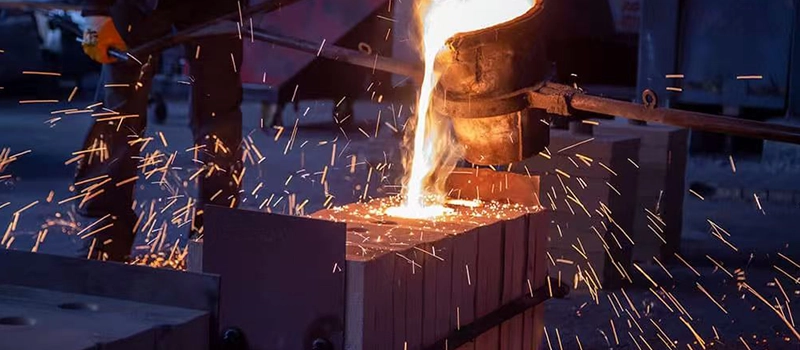
The production of a metal die cast enclosure begins with the high-pressure die casting process, a method known for its speed, accuracy, and suitability for mass production. In this technique, molten metal is injected into a hardened steel die at high velocity—often exceeding 400 MPa. The rapid injection and solidification process ensure uniformity in wall thickness, tight dimensional tolerances, and smooth surface finishes, all essential characteristics of a high-quality metal die cast enclosure. This method enables the consistent manufacturing of enclosures for applications requiring structural rigidity and precise internal geometries.
Tooling and Mold Design
Mold Configuration and Cavity Design
Mold design is one of the most critical stages in producing a metal die cast enclosure. The die must be engineered to accommodate factors such as material flow, cooling time, and part ejection. Multi-cavity molds are often used to produce several enclosures per shot, improving efficiency and reducing cycle times.
Importance of Precision Tooling
Precision in tooling ensures repeatability and consistency across production batches. Any defect in the mold—such as uneven surfaces or poor draft angles—can lead to casting defects like porosity, misalignment, or incomplete fills. As such, tooling must be manufactured to tight tolerances and maintained regularly to ensure stable performance.
Injection and Solidification
Metal Flow Dynamics
The behavior of molten metal during injection has a direct impact on the final quality of the metal die cast enclosure. Flow simulation software is used during the mold design stage to predict potential problem areas such as air entrapment or cold shuts. Optimizing gate location, venting, and shot speed ensures a smooth, complete fill.
Cooling and Ejection
After the metal is injected into the mold, it cools rapidly and solidifies in a controlled manner. Cooling channels are integrated into the mold to manage thermal gradients and reduce cycle times. Once solidified, the enclosure is ejected using ejector pins, after which it moves to the trimming and finishing stages.
Post-Casting Operations
Trimming and Deburring
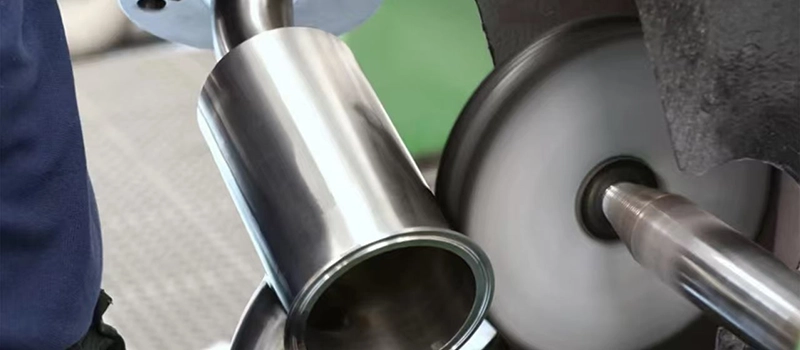
Once the casting is ejected, excess material such as flash, gates, and sprues must be removed. Trimming presses or CNC deburring tools are used to clean up the exterior of the metal die cast enclosure, ensuring a smooth and uniform finish.
CNC Machining Services for Tight Tolerances
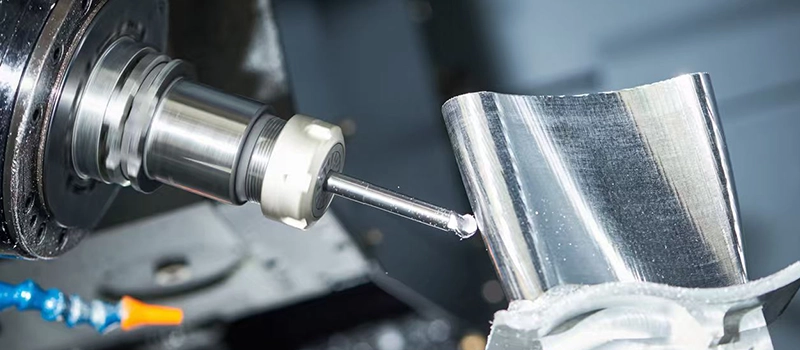
For enclosures that require precise threads, grooves, or assembly features, CNC machining services are applied after casting. These secondary operations improve dimensional accuracy and allow the enclosure to meet application-specific requirements such as IP ratings, thermal management features, and tight-fitting assemblies.
Surface Finishing Integration
At this stage, the enclosure may also undergo surface finishing processes—such as powder coating, anodizing, or e-coating—depending on the end-use environment. Finishing enhances corrosion resistance, electrical conductivity, and overall durability, further reinforcing the performance of the metal die cast enclosure.
Quality Control and Testing
Dimensional and Visual Inspection
Each metal die cast enclosure is subjected to quality control procedures including dimensional checks using CMM (coordinate measuring machines), surface inspection, and visual defect detection. These steps are essential to maintaining consistent performance and regulatory compliance.
Specialized Testing
Additional testing may include pressure leak tests for sealed enclosures, thermal cycling tests for electronics, and X-ray inspection to detect internal porosity or voids. The goal is to ensure that every enclosure meets mechanical, thermal, and electrical standards before it reaches the customer.
Industrial Applications and Performance Demands
Automotive and Transportation Systems
In the automotive industry, the metal die cast enclosure is widely used to protect engine control units (ECUs), sensor modules, power distribution components, and motor controllers. These enclosures are exposed to extreme vibrations, temperature fluctuations, oil, and corrosive agents. Aluminum-based enclosures are preferred for their heat dissipation properties and lightweight structure, which aligns with vehicle efficiency standards. The dimensional accuracy provided by high-pressure die casting ensures reliable mating with adjacent components, eliminating the risk of misalignment or fluid ingress.
Die cast housings also serve critical roles in electric vehicle systems, where they protect onboard chargers, inverters, and battery management components. Their ability to integrate complex geometries allows designers to incorporate features such as cooling fins, grounding points, and sealed cable interfaces within a single enclosure.
Electronics and Communication Devices
For electronic assemblies, particularly in the telecommunication and data industries, the metal die cast enclosure provides shielding against electromagnetic interference (EMI) and radio frequency interference (RFI). These properties are essential for maintaining signal integrity in devices such as routers, transmitters, amplifiers, and base stations. Zinc and magnesium alloys are often selected for their fine detail resolution and compatibility with e-coating, which improves corrosion resistance in outdoor installations.
Miniaturization of components has also increased the demand for compact and thermally efficient enclosures. Die cast solutions meet these requirements by offering thin-wall sections, precision casting, and integrated heat sink structures—all critical for effective thermal management in densely packed electronics.
Industrial Machinery and Automation
In heavy machinery and factory automation, metal die cast enclosures serve as housings for control units, power relays, and feedback sensors. These environments present risks such as dust, oil, mechanical shock, and temperature extremes. A robust enclosure must provide mechanical protection while maintaining access to ports and connectors. The die casting process supports the production of rugged housings with reinforced ribs, internal supports, and custom mounting features.
Additionally, CNC machining services are often used post-casting to ensure exact alignment of mounting holes or threaded inserts, allowing the enclosure to be seamlessly integrated into complex equipment assemblies. The ability to combine structural strength and precise interfaces makes the metal die cast enclosure a default choice for OEMs in this segment.
Renewable Energy and Power Systems
Wind, solar, and electric grid systems rely on durable enclosure solutions to house sensitive electronics and power conversion modules. Metal die cast enclosures in this sector must endure UV exposure, humidity, and temperature cycling. The corrosion resistance of aluminum, combined with high heat tolerance, makes it ideal for these applications.
These enclosures are commonly used for inverters, rectifiers, monitoring units, and transformer protection boxes. Their performance in long-term outdoor deployments is enhanced through advanced surface treatments such as anodizing or marine-grade powder coating. Moreover, the ability to embed cable glands, cooling vents, and pressure equalization elements into the mold design reduces part count and simplifies installation.
Compliance, Standards, and Design Guidelines
Regulatory Compliance for Metal Die Cast Enclosures
A metal die cast enclosure used in industrial applications must meet rigorous compliance standards to ensure safety, durability, and environmental performance. These regulations vary depending on the target market and application sector, but commonly include CE marking for the European Union, UL certification for North America, and RoHS and REACH directives for environmental safety. Manufacturers of metal die cast enclosures must validate that their designs conform to these standards through documented test procedures and certified production processes.
For enclosures housing electrical or electronic systems, electromagnetic compatibility (EMC) is critical. The conductive nature of a metal die cast enclosure enables natural EMI/RFI shielding, a requirement for telecommunications, automotive electronics, and control systems. Compliance in this context includes testing for shielding effectiveness and verifying grounding paths.
Ingress Protection and Sealing Standards
Understanding IP Ratings
Ingress Protection (IP) ratings define the level of protection a metal die cast enclosure offers against dust and moisture. IP65, IP66, or IP67-rated enclosures are commonly specified in outdoor or industrial applications where components must remain operational in the presence of water spray, dust particles, or humidity.
Sealing Techniques in Die Cast Designs
To achieve a high IP rating, the metal die cast enclosure must be designed with precision mating surfaces, often machined flat through CNC machining services. Silicone or EPDM gaskets are applied in dedicated grooves to ensure airtight and watertight performance. Some designs may incorporate overmolded seals during the casting process to reduce assembly steps.
Mechanical and Structural Design Guidelines
Wall Thickness and Structural Integrity
Proper wall thickness is essential in the structural design of a metal die cast enclosure. Uniform thickness helps maintain dimensional stability and prevents internal stresses during cooling. While aluminum enclosures may support walls as thin as 2.0 mm, thicker sections are typically used in high-impact environments to improve durability.
Draft Angles and Ejection Optimization
Draft angles—typically between 1° and 3°—must be included in all vertical surfaces to allow clean ejection from the mold. This is a fundamental rule in the design of any metal die cast enclosure and directly affects tooling life, surface finish, and part consistency.
Ribs, Bosses, and Mounting Features
Reinforcement ribs are often added to increase structural rigidity without significantly increasing weight. Bosses can be incorporated into the mold to allow for fastener installation. These features are especially valuable in enclosures used for industrial controls or machine interfaces, where strength and repeatability are critical.
Design for Manufacturability (DFM)
When developing a custom metal die cast enclosure, DFM principles ensure that the enclosure is optimized for mass production. Design considerations include minimizing undercuts, using consistent wall thickness, and allowing for machining access. These principles reduce the risk of defects, improve cycle time, and reduce post-processing costs.
By integrating machining clearance and gasket seating directly into the casting design, manufacturers reduce assembly steps and improve performance. In many cases, laser marking or laser cutting service techniques are used to add identification, part numbers, or venting slots post-production.
A well-designed metal die cast enclosure meets performance, regulatory, and production requirements simultaneously. Attention to detail in the design phase directly contributes to long-term reliability and reduces failure rates in the field—key factors for high-performance industrial systems.
Conclusion
The metal die cast enclosure continues to be a preferred solution across industrial sectors due to its superior strength, dimensional accuracy, and compatibility with mass production. From automotive systems to high-performance electronics and renewable energy equipment, its reliability under harsh conditions is unmatched. When designed and manufactured to industry standards, a metal die cast enclosure not only ensures component protection but also contributes to long-term operational efficiency and regulatory compliance. For applications where durability and precision are non-negotiable, it remains the standard of choice.