Why do so many industries choose aluminum 6xxx over other alloys? What gives it the ideal mix of strength, weight, and corrosion resistance? And why do leading manufacturers prefer this alloy for critical structural components?
Aluminum 6xxx series alloys have become the standard material in metal fabrication for good reason. According to the Aluminum Association, “The 6xxx series alloys are widely used in structural applications where corrosion resistance and medium strength are required”.
From construction frameworks to vehicle bodies and precision components, the 6xxx series—especially grades like 6061 and 6063—offers unmatched versatility in demanding environments. This article explores the properties and applications that make it an industry favorite.
Understanding Aluminum 6xxx Series
Composition and Classification
Aluminum 6xxx series alloys are a family of heat-treatable aluminum-magnesium-silicon materials used extensively in structural and engineering applications. The key alloying elements, magnesium and silicon, form magnesium silicide, which enables the alloy to undergo precipitation hardening. This process enhances mechanical strength while maintaining a moderate level of ductility. The alloys in this series are classified as medium-strength materials, offering a combination of formability, corrosion resistance, and thermal stability.
Core Grades: 6061 and 6063
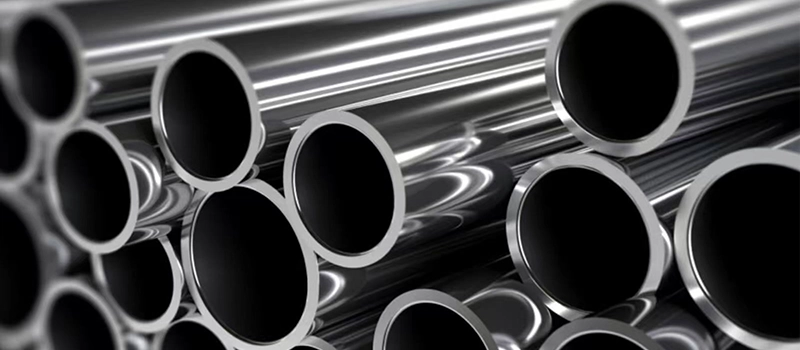
Among the various grades in the aluminum 6xxx series, 6061 and 6063 are the most widely used. Aluminum 6061 provides higher strength, excellent weldability, and good machinability, making it suitable for aerospace, structural frames, and industrial components. In contrast, aluminum 6063 has superior surface finish characteristics and is commonly selected for architectural profiles, piping systems, and heat sinks. Both alloys can be anodized to improve surface durability and appearance.
Alloy Characteristics
Aluminum 6xxx alloys exhibit favorable corrosion resistance in atmospheric conditions, including marine environments. They also provide moderate-to-high strength-to-weight ratios, making them suitable for load-bearing applications where weight reduction is essential. These alloys are compatible with various manufacturing processes, including extrusion, forging, and machining, and are often used in components that require dimensional accuracy and stability.
Industrial Application Scope
The versatility of aluminum 6xxx series alloys allows their use across multiple sectors, including construction, transportation, electronics, and general mechanical manufacturing. Their adaptability to surface treatments and tempering processes supports a broad range of technical requirements and performance standards in industrial production.
Key Mechanical and Chemical Properties of Aluminum 6xxx
Mechanical Strength and Tempering
Aluminum 6xxx series alloys are medium-strength materials that gain significant mechanical performance through heat treatment. Common tempers such as T5 and T6 enhance both yield strength and tensile strength by promoting precipitation hardening of magnesium silicide particles within the alloy matrix. For example, 6061-T6 exhibits a typical tensile strength of approximately 290 MPa and a yield strength of around 240 MPa, making it suitable for structural applications where load-bearing capacity is required without excessive weight.
The strength of these alloys can be fine-tuned by selecting appropriate heat treatment cycles and adjusting alloy composition. This tunability allows manufacturers to meet specific performance targets while maintaining process efficiency. The stress-strain behavior of 6xxx alloys under tension also demonstrates good elongation properties, providing a balance between strength and formability.
Corrosion Resistance
One of the defining characteristics of aluminum 6xxx series is its inherent resistance to corrosion, particularly in atmospheric and mildly acidic or alkaline environments. The formation of a stable aluminum oxide layer on the surface acts as a natural barrier against oxidation and pitting. This makes 6xxx series alloys suitable for outdoor structures, transportation components, and marine equipment where exposure to moisture and environmental contaminants is common.
Unlike high-strength aluminum alloys in the 2xxx and 7xxx series, which are more susceptible to corrosion, 6xxx alloys offer a corrosion profile that requires less protective coating or surface treatment in many use cases. For applications involving prolonged exposure to saltwater or industrial chemicals, additional anodizing or powder coating can further extend service life.
Machinability and Formability
Aluminum 6xxx alloys, particularly 6061 and 6063, are known for good machinability across various cutting and milling operations. These alloys produce uniform chip patterns and exhibit minimal tool wear, making them suitable for CNC machining, turning, and drilling. Lubrication during machining is often used to maintain surface integrity and control heat generation.
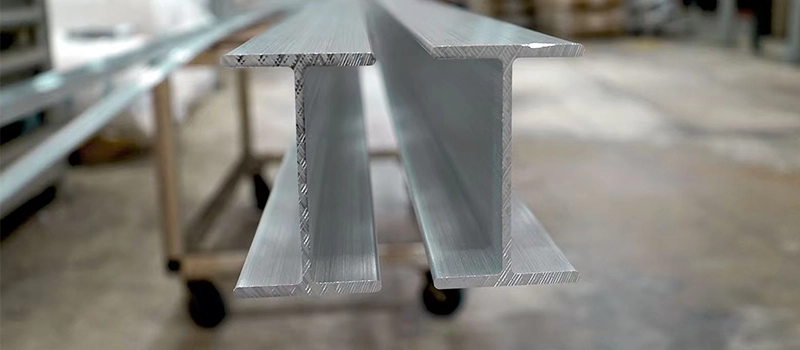
In terms of formability, 6xxx series alloys offer moderate-to-good bending and drawing capabilities, depending on the specific temper and thickness. They are frequently used for extruded profiles, rolled sheets, and tubular components. The balanced ductility and yield characteristics support the manufacturing of both simple and complex shapes without the risk of cracking or excessive springback.
Thermal and Electrical Conductivity
Aluminum 6xxx alloys also provide moderate thermal and electrical conductivity, generally ranging between 150 and 200 W/m·K for thermal conductivity. While not as conductive as pure aluminum, the conductivity of the 6xxx series is sufficient for applications such as heat sinks, enclosures, and structural elements where heat dissipation is a secondary requirement. Electrical conductivity levels are also acceptable for non-critical power components, grounding structures, and enclosures requiring electromagnetic compatibility.
Summary of Properties
The aluminum 6xxx series offers a well-rounded profile of mechanical strength, corrosion resistance, and processing versatility. These properties make the series one of the most commonly specified choices for engineers and designers across a range of industries, including automotive, construction, aerospace, and precision manufacturing.
6061 vs 6063 – Which One Should You Use?
General Comparison
6061 and 6063 are the two most commonly used grades within the aluminum 6xxx series, each offering distinct characteristics tailored to different engineering requirements. Both alloys share a similar base composition of magnesium and silicon, but their specific chemical balances and microstructures lead to different mechanical behaviors and surface finish capabilities.
6061 is typically selected for applications requiring higher mechanical strength and greater stress resistance. It has a more robust mechanical profile compared to 6063, making it suitable for structural parts, load-bearing frames, and machined components. In contrast, 6063 is optimized for extrusion and is preferred where surface finish, tight tolerances, and aesthetic quality are critical.
Mechanical Performance
The mechanical strength of 6061 is significantly higher than that of 6063. In the T6 temper, 6061 offers a tensile strength of around 290 MPa and a yield strength of approximately 240 MPa. By comparison, 6063-T6 has a tensile strength of around 230 MPa and a yield strength of 200 MPa. While 6063 is adequate for light-duty applications, it cannot match 6061 in terms of structural integrity under heavy loads.
Elongation and ductility also differ. 6063 is more malleable and can undergo deeper forming operations without cracking. This makes it well-suited for products requiring complex cross-sections or bending operations with minimal risk of fracture.

Surface Finish and Anodizing
One of the main advantages of 6063 is its superior surface finish. Its finer grain structure and smoother extruded profile allow for high-quality finishes in both anodized and painted applications. This makes it ideal for architectural profiles, window frames, and decorative trim where appearance is a functional requirement.
6061, while still compatible with anodizing, generally results in a coarser surface appearance. For applications where aesthetics are secondary to mechanical strength, such as fixtures, jigs, and mechanical housings, this is often an acceptable trade-off.
Welding and Machining
Both 6061 and 6063 exhibit good weldability, but 6061 requires more careful control during welding to avoid issues such as hot cracking. Preheating and post-weld heat treatment may be necessary in critical applications. 6063, due to its lower strength and simpler metallurgy, presents fewer challenges during welding.
In machining, 6061 is the preferred grade. It machines cleanly and consistently with standard tooling and produces chips that are easy to control. 6063, being softer, can create built-up edge on cutting tools, requiring more frequent maintenance and slower cutting speeds.
Typical Applications
6061 is commonly used in:
- Aerospace brackets and frames
- Bicycle frames
- Marine fittings
- Industrial tooling
- Structural supports
6063 is found in:
- Architectural window and door frames
- Curtain wall systems
- Handrails and piping
- Consumer goods casings
- Electrical conduit
Selection Considerations
The choice between 6061 and 6063 depends primarily on the balance between strength requirements and visual or dimensional finish. For high-load applications where strength and stiffness are critical, 6061 is the clear choice. For lightweight structures with visual importance and complex profiles, 6063 offers the best performance.
Industrial Applications of Aluminum 6xxx
Construction and Architecture
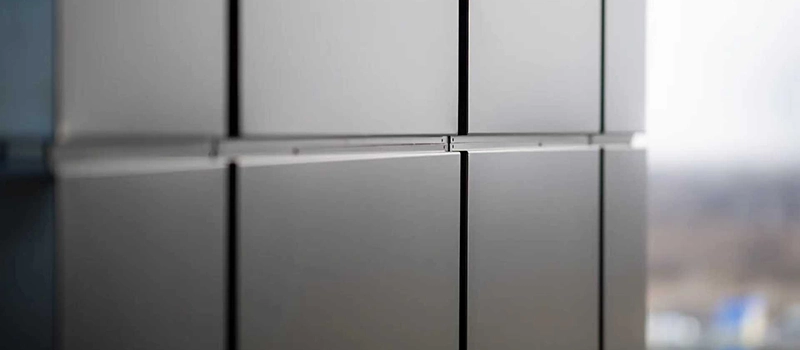
Aluminum 6xxx series alloys are extensively used in the construction industry due to their favorable strength-to-weight ratio, corrosion resistance, and ease of fabrication. Alloy 6063, in particular, is widely applied in architectural systems such as window frames, door profiles, curtain walls, railings, and structural extrusions. Its ability to produce smooth surface finishes and accept anodizing treatments makes it ideal for visible components that require both strength and aesthetic appeal.
6061 is employed in more demanding structural elements such as beams, columns, scaffolding, and load-bearing supports where mechanical performance is a priority. Its compatibility with welding and bolted connections allows for secure assembly in complex construction frameworks.

Transportation and Automotive
The transportation industry, including automotive, rail, and heavy-duty vehicles, frequently utilizes aluminum 6xxx alloys to reduce weight while maintaining structural integrity. Components such as car frames, drive shafts, suspension arms, roof rails, and heat shields are often produced from 6061 due to its high tensile strength and crash resistance.
6063 is used in lower-load parts that benefit from extrusion, such as trim pieces, roof moldings, and interior structural supports. Weight reduction achieved by using aluminum alloys directly contributes to fuel efficiency and emission control targets, which are critical in modern vehicle design.
Aerospace and Defense
In aerospace and defense applications, 6061 is widely accepted for its strength, reliability, and machinability. It is commonly used for aircraft fittings, brackets, fuel system components, and structural panels. Although higher-strength aluminum alloys such as those in the 7xxx series are also used in aerospace, 6xxx alloys remain valuable in non-critical components where corrosion resistance and weldability are prioritized over maximum strength.
The use of aluminum 6xxx also extends to ground-based defense systems, including radar structures, portable shelters, and equipment housings, where durability and lightweight materials are essential.
Marine and Offshore Structures
Aluminum 6xxx series alloys are suitable for marine applications where exposure to saltwater requires materials with corrosion resistance and long service life. Components such as boat hulls, deck fittings, ladders, masts, and support structures benefit from the alloy’s ability to resist pitting and galvanic corrosion in coastal environments.
6061 is typically used for structural parts, while 6063 is selected for aesthetic and non-load-bearing components that require smooth surface finishes and good formability.
Electrical and Consumer Products
The moderate electrical conductivity of aluminum 6xxx makes it appropriate for certain electrical enclosures, heat sinks, and grounding structures. Additionally, its appearance and surface treatment options allow it to be used in consumer electronics, appliance housings, and recreational equipment such as bicycles, scooters, and camping gear.
In these sectors, designers value aluminum 6xxx for its balance of mechanical properties, workability, and cost-effectiveness, which enable efficient production of durable, lightweight, and corrosion-resistant parts.
Machining, Fabrication, and Heat Treatment
Machining Behavior
Aluminum 6xxx series alloys are widely recognized for their favorable machinability, particularly in the T6 temper. Alloy 6061, in particular, offers a clean and predictable response during cutting, drilling, milling, and turning operations. It forms short, well-broken chips and causes minimal tool wear, contributing to high productivity in CNC machining environments. Appropriate selection of cutting speeds, feed rates, and lubrication helps maintain surface quality and dimensional accuracy.
6063, being slightly softer, requires more attention to tool maintenance due to its tendency to adhere to cutting edges, especially under high-speed machining. However, for simple profiles and large-volume production of extruded components, it remains a viable and cost-efficient choice.
Fabrication Techniques
Aluminum 6xxx alloys are highly adaptable to common fabrication methods. Extrusion is one of the primary forming techniques used for both 6061 and 6063, enabling the creation of complex, hollow, and multi-void profiles with consistent tolerances. This makes them particularly suitable for structural members, tubing, and heat dissipation systems.
Other fabrication processes include rolling, forging, and bending. These alloys demonstrate moderate formability, which is sufficient for creating curved, bent, or deep-drawn parts depending on the temper. While 6063 is more easily formed in the T5 or T52 temper, 6061 may require annealing to facilitate forming without cracking.
Welding Characteristics
Aluminum 6xxx series alloys can be welded using common methods such as Gas Tungsten Arc Welding (GTAW) and Gas Metal Arc Welding (GMAW). 6061, due to its higher strength, can be more sensitive to heat-affected zone softening and may require post-weld heat treatment in critical applications. Use of compatible filler materials such as 4045 or 5356 is recommended to reduce porosity and ensure mechanical integrity.
6063 is more forgiving in welding, especially in non-structural applications. Welds typically exhibit lower residual stress and distortion, making it suitable for lightweight assemblies and architectural components where visual appearance and dimensional stability are important.
Heat Treatment and Tempers
Aluminum 6xxx series alloys derive much of their strength from precipitation hardening. The most common tempers are T5 and T6. T5 refers to material cooled from the extrusion process and then artificially aged. T6 includes solution heat treatment followed by artificial aging, resulting in higher strength and improved mechanical consistency.
Heat treatment requires precise temperature control and timing to optimize particle distribution and avoid over-aging. Improper heat treatment can reduce mechanical performance or increase the risk of cracking during fabrication.
In addition to mechanical performance, heat treatment also affects corrosion resistance and fatigue life. Components that undergo cyclic stress, such as automotive parts and structural beams, benefit from the enhanced fatigue strength provided by controlled tempering.
Integration in Manufacturing
The combination of machinability, formability, and heat-treating capability makes aluminum 6xxx a preferred material in custom and mass production. It allows for seamless integration into digital manufacturing workflows, including CNC machining, 3D modeling, and automated extrusion, supporting high-volume consistency and product quality across industries.
Conclusion
Aluminum 6xxx series alloys represent a well-balanced choice for industrial applications that require a combination of mechanical strength, corrosion resistance, and manufacturing flexibility. With widely used grades such as 6061 and 6063, this alloy series supports diverse fabrication techniques, including extrusion, welding, and CNC machining, while maintaining consistent performance under varying environmental and structural conditions. Whether for construction, transportation, or general manufacturing, aluminum 6xxx offers reliable results and cost-effective processing, making it a practical solution for modern engineering needs.