
Melting Point of Copper: Essential in Forging and Casting

The melting point of copper—1,085°C (1,984°F)—is a key thermal property that governs how copper behaves in industrial metalworking. In this comprehensive guide, we explore the importance of copper’s melting point in casting, forging, machining, and thermal processing. You’ll learn how factors like impurities, alloys, and form can affect melting behavior, and how copper compares to other metals like aluminum, zinc, and steel. We also present efficient melting techniques such as induction and crucible methods, helping manufacturers maintain precision and reduce energy loss. This article is a must-read for anyone involved in copper component production or sourcing.
Aluminum Die Casting Machine That Delivers Power & Precision
This article dives into how aluminum die casting machines power modern manufacturing. From machine types and performance features to real-world applications, it explains how advanced equipment ensures quality, efficiency, and consistency across industries.
Aluminum Extrusion Die: Guide to Design and Application
The aluminum extrusion die is a strategic tool in manufacturing, influencing quality, speed, and cost. From die design and material choice to application across industries, its engineering defines long-term production success. Well-designed dies reduce scrap, extend lifespan, and increase throughput, making them a cornerstone of competitive manufacturing.
What Causes Drag Marks in Casting and Molding?
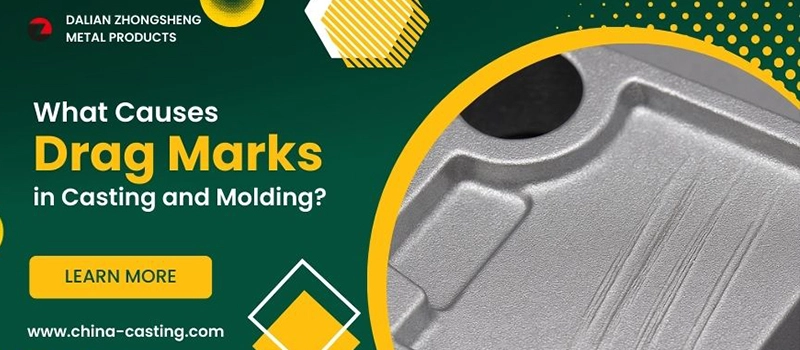
Drag marks are surface defects formed during casting or injection molding due to friction, improper tooling, or mold flaws. This article explores their causes, effects, detection, and solutions—empowering manufacturers to ensure smooth surfaces and better part quality.
Die Casting Machine Basics: What You Need to Know Today

This article explains what a die casting machine is, how the die casting process works, and the differences between hot and cold chamber machines. It also highlights key industry applications such as automotive, aerospace, and electronics, helping manufacturers choose the right equipment.
Sandblasting vs Anodizing: Basics and Best Use Cases

This article explores the essential differences between sandblasting and anodizing, their industrial roles, and how combining both can improve surface durability, adhesion, and aesthetics for aluminum and titanium parts. Ideal for manufacturing, aerospace, construction, and automotive industries.
Tapped Hole vs Threaded Hole: Key Differences Explained
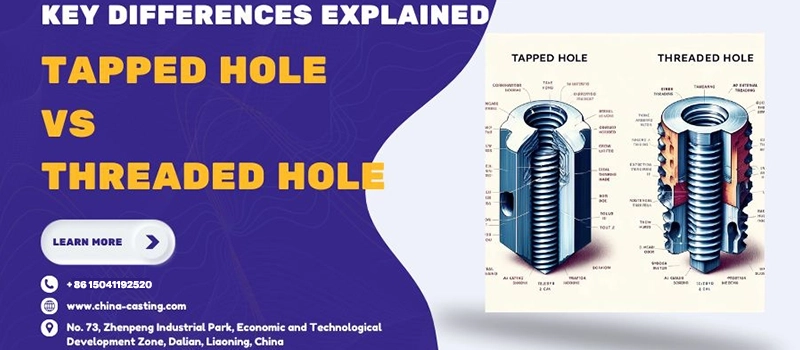
In metal manufacturing, understanding the difference between a tapped hole vs threaded hole is crucial for functional design, durability, and cost control. This guide breaks down their definitions, use cases, pros and cons, and expert tips to help engineers make informed choices.
Mould Temperature Controller: Improve Casting Results
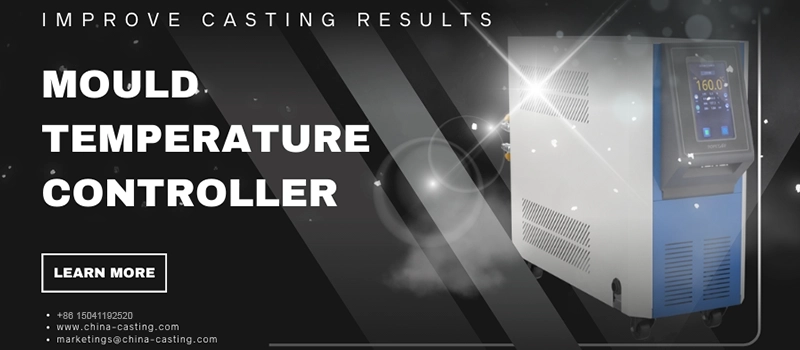
A mould temperature controller ensures consistent thermal conditions during casting, which enhances product quality, shortens cycle times, and reduces waste. This guide explains how it works, its benefits, and how to choose the best one for your factory needs.
Silk Screen Printing Techniques You Need to Know in 2025

This article reveals the top silk screen printing techniques for 2025. Learn how the process works, which materials and equipment are required, the most popular types of printing methods, and how much it really costs to run a silk screen project or business.
