
Cobalt Magnetic Properties and Industrial Applications
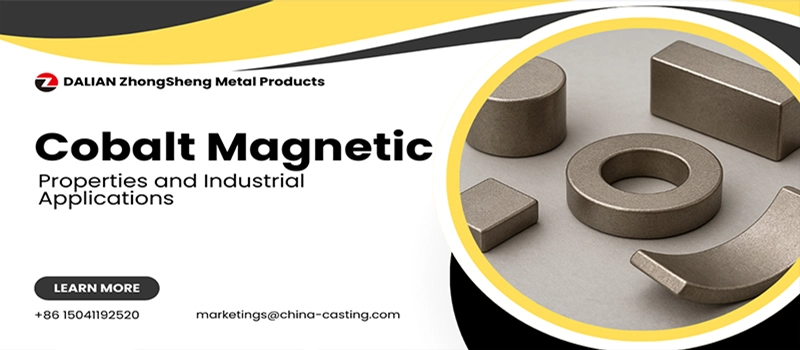
Cobalt’s magnetic properties set it apart from most transition metals. This article explores how cobalt’s magnetism supports the design of alloys, electric motors, magnetic sensors, and high-performance materials across aerospace and manufacturing sectors.
Density of Tungsten: Key to Its Industrial Applications
The density of tungsten, at 19.25 g/cm³, gives it unmatched strength, thermal resistance, and impact stability. This article explores how tungsten’s density supports aerospace, tooling, defense, and precision parts where compact mass is essential.
Does Nickel Rust in Harsh Industrial Environments?
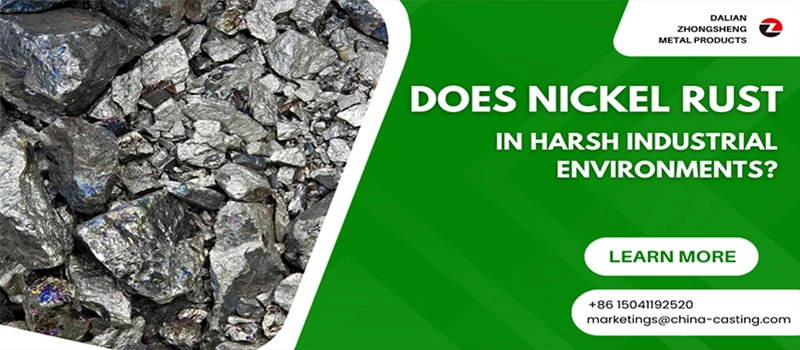
Nickel is widely used in metal manufacturing for its rust resistance. But can nickel rust under specific industrial or environmental conditions? This article explores oxidation, corrosion behavior, and how nickel performs in demanding environments.
Mold Cavity Structure and Its Role in Metal Casting
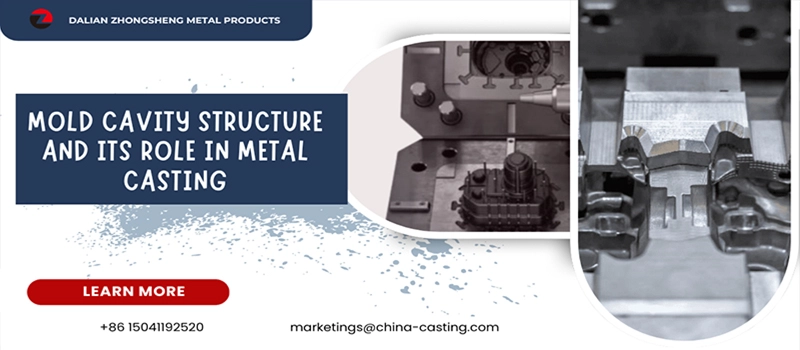
This article examines the mold cavity structure in metal casting, explaining how geometry, material, and design influence final part accuracy, surface finish, and defect prevention. Ideal for manufacturers seeking better casting outcomes.
Blister in Metal Casting: Causes and How to Prevent It
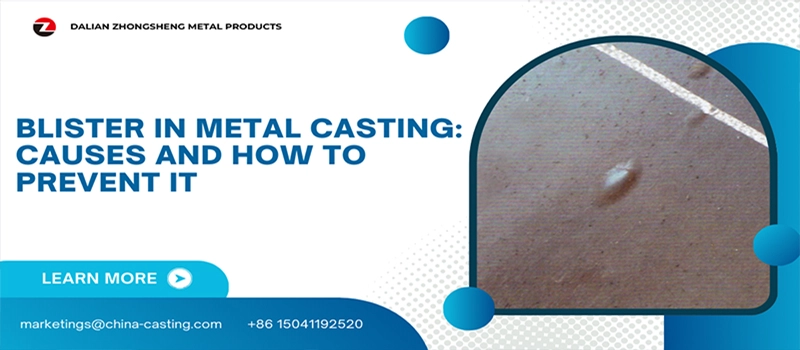
This article explains what causes blister defects in metal casting, how to detect them early, and provides 7 proven prevention strategies to ensure quality cast parts.
Avoid Warpage in Casting with Dimensional Control Tips
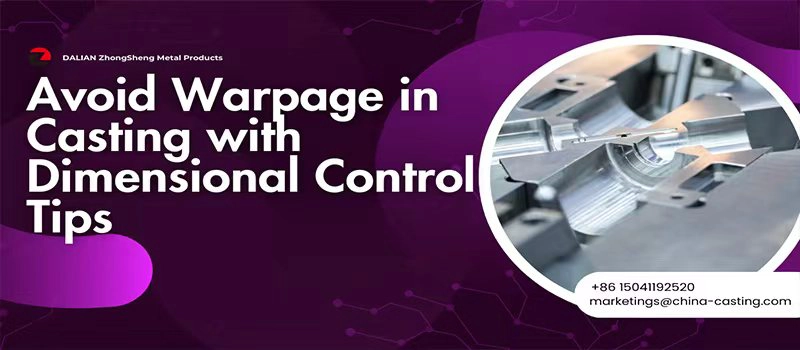
Warpage can compromise dimensional accuracy in castings. This article explains the main causes of warping and offers seven reliable ways to reduce distortion during design, pouring, and cooling.
Cold Shortness in Casting: Effects on Strength and Quality

Cold shortness is a metal casting defect that reduces strength and causes brittleness at low temperatures. This article explains its causes, effects on product quality, and how manufacturers can prevent it through better materials, design, and process control.
When to Choose Liquid Painting in Metal Production
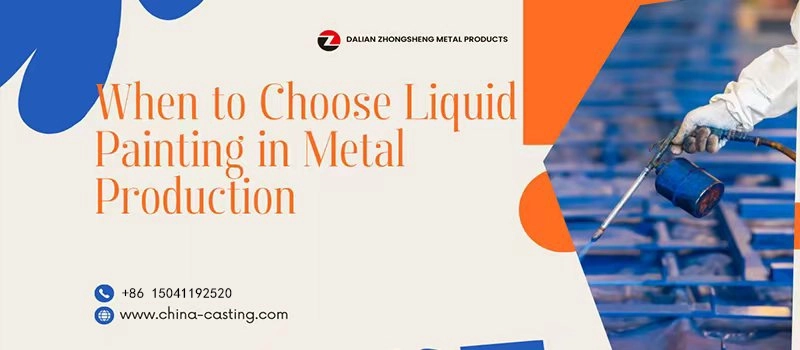
Liquid painting remains a vital finishing method in metal production, especially for heat-sensitive or complex parts. This guide explains when to choose it, its benefits over powder coating, how the process works, and what to consider for quality and cost.
How Powder Coating Improves Industrial Metal Products
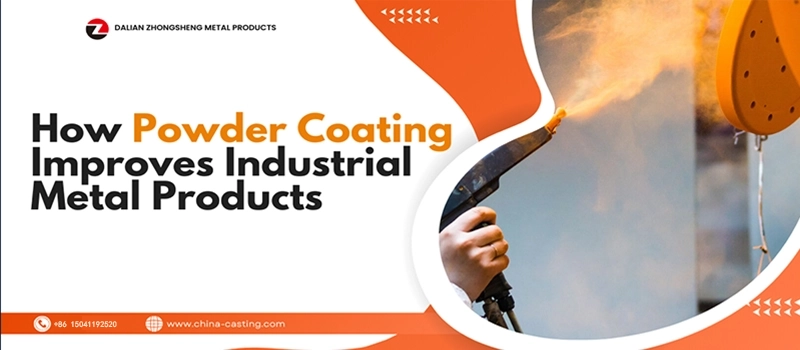
Powder coating offers a high-performance finish for industrial metal products by improving resistance to corrosion, UV damage, and wear. This article explores how the process works, when it should be used, its advantages over other coatings, and key industrial applications.
