
4027 Aluminum Critical Properties and Manufacturing Limits

4027 aluminum is a high-silicon aluminum alloy primarily used in casting applications. Its strength lies in fluidity and wear resistance, while its manufacturing limits include restricted ductility, limited weldability, and sensitivity during machining and thermal processing.
Density of Stainless Steel: Essential Industrial Reference

This in-depth guide explores the density of stainless steel, examining how it varies by grade, what factors influence it, and how it compares to materials like aluminum and carbon steel. Ideal for engineers, designers, and procurement professionals seeking to optimize material choices.
Lightweight Metals as Critical Manufacturing Materials

Lightweight metals are selected in manufacturing applications to improve efficiency through weight reduction. Their behavior during forming, machining, and joining differs from conventional materials, requiring process-aware material selection to balance strength, manufacturability, and production stability.
Ductility and Malleability as Critical Manufacturing Factors

Ductility and malleability describe how materials deform under tensile and compressive stress. In manufacturing processes, these properties determine formability, defect risk, and process limits. Proper understanding helps prevent cracking, tearing, and instability during metal forming and fabrication.
Density of Iron: The Essential Yet Misunderstood Property
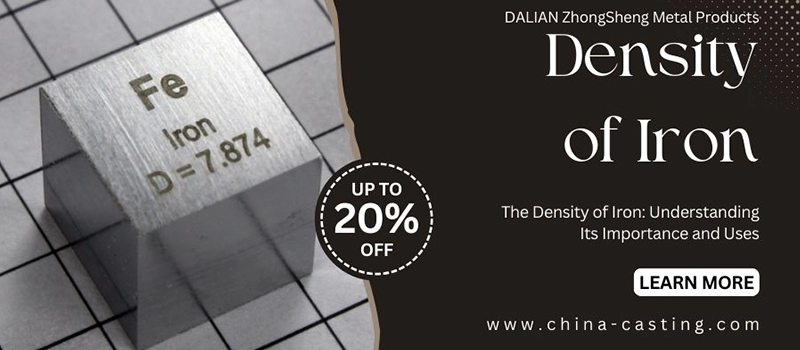
This comprehensive guide explores the density of iron in its various forms—from pure iron to cast iron, ductile iron, iron ore, and iron oxides. It explains how temperature, structure, and composition affect iron’s density and why this matters in engineering design, bulk shipping, and cost management. The article also compares the density of iron with materials like gold, mercury, steel, and water, offering real-world applications in manufacturing, procurement, and material science. Whether you’re sourcing industrial components or designing heavy-duty structures, understanding the density of iron is key to precision and efficiency.
Oxygen Free Copper for High-Conductivity Applications
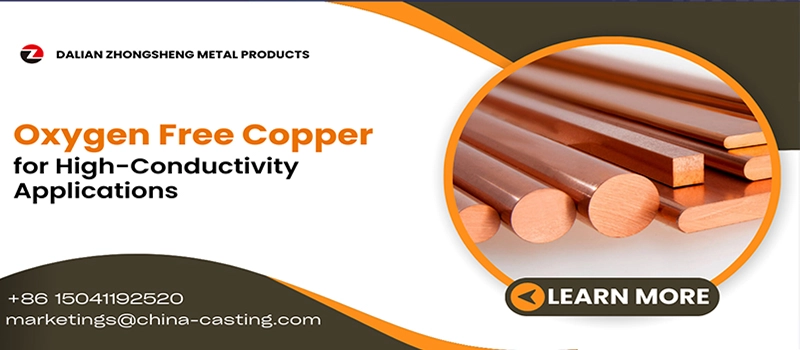
Oxygen free copper is a high-purity copper grade designed to deliver stable electrical conductivity. By minimizing oxygen-related defects, it supports reliable performance in high-current, high-frequency, and thermally demanding applications where standard copper grades show variability.
Gold Corrosion Resistance in Engineering Applications
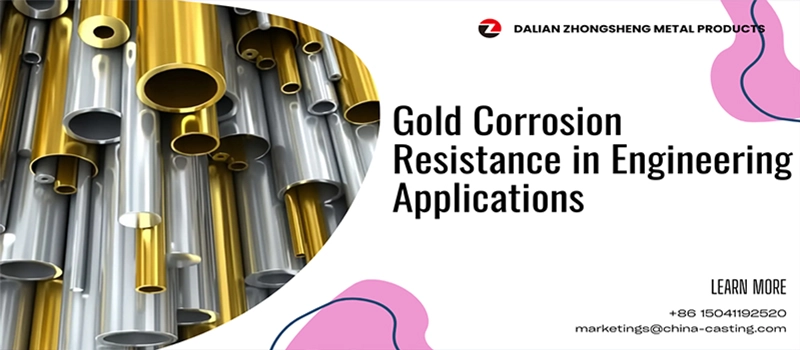
Gold corrosion resistance comes from gold’s noble metal nature and low chemical reactivity. In industrial applications, this property enables reliable performance in electrical contacts, precision components, and plated systems. Effectiveness depends on purity, alloying elements, and application conditions rather than gold presence alone.
420 Stainless Steel for Hardened Mechanical Components
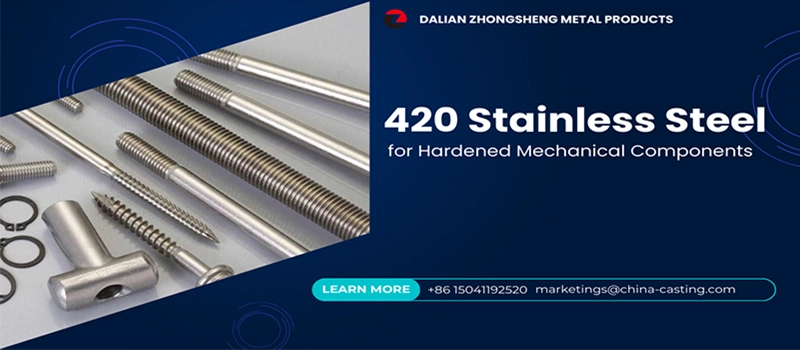
420 stainless steel is a martensitic grade widely used for hardened mechanical components. Its performance depends on controlled heat treatment, stable machining before hardening, and proper application where wear resistance is prioritized over toughness or corrosion resistance.
Understanding the Density of Copper in Metal Fabrication
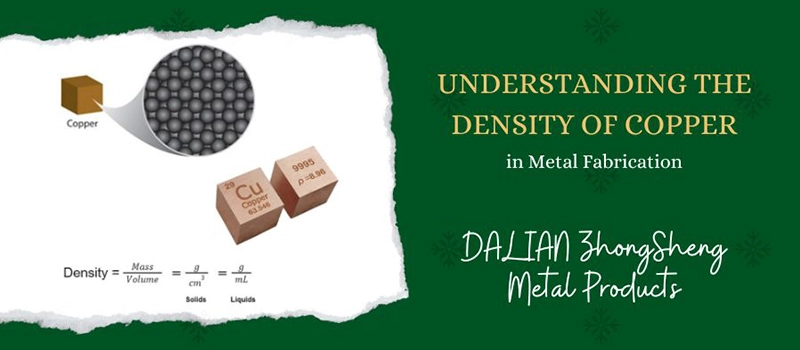
This article explores the density of copper in its pure and alloyed forms, detailing how factors like temperature, purity, and processing impact its real-world application. From weight estimation to fabrication planning, understanding copper density ensures better accuracy and performance in manufacturing.
