
Brass Casting Advantages: Strength, Shrinkage, and Use

Brass casting provides excellent dimensional detail and corrosion resistance but presents shrinkage and thermal cracking risks. This article outlines key behaviors, casting limits, and design-safe practices for precision applications.
6061-T6 Compared to Other Alloys: Key Strengths and Limits
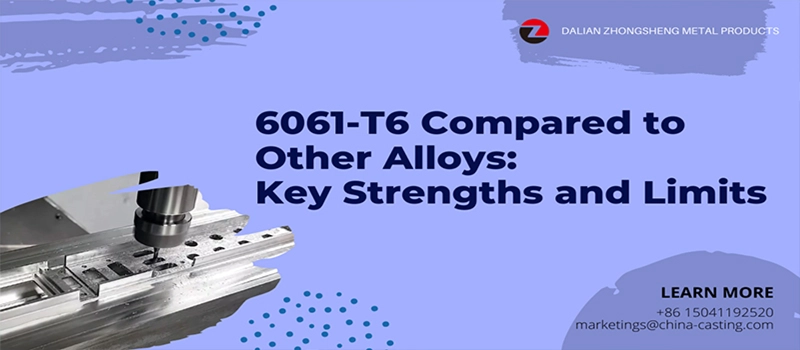
6061-T6 is a versatile aluminum alloy used in structural, marine, and machined parts. This article compares 6061-T6 to other alloys like 5052, 7075, 2024, and A356 to highlight key strengths, limits, and manufacturing trade-offs for better material selection.
Aluminum Alloy A413: Superior Casting and Design Limits
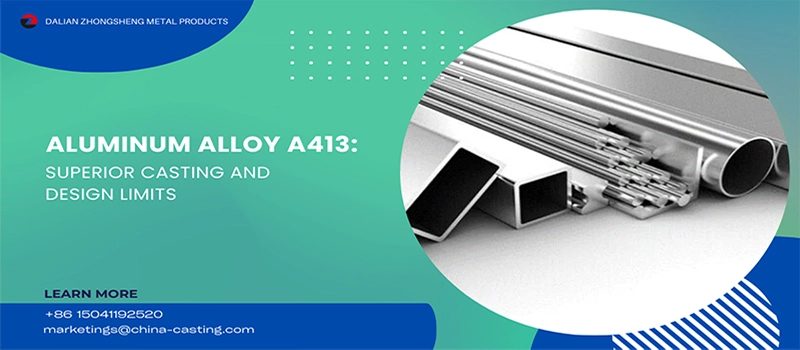
Aluminum alloy A413 is a high-silicon casting alloy valued for pressure tightness, thin-wall fill, and fluidity. This article explains how it behaves in casting, where it excels, and when alternate materials are more suitable for strength, thermal, or machining needs.
Aluminum Chromate Conversion Coating: Critical Uses & Limits
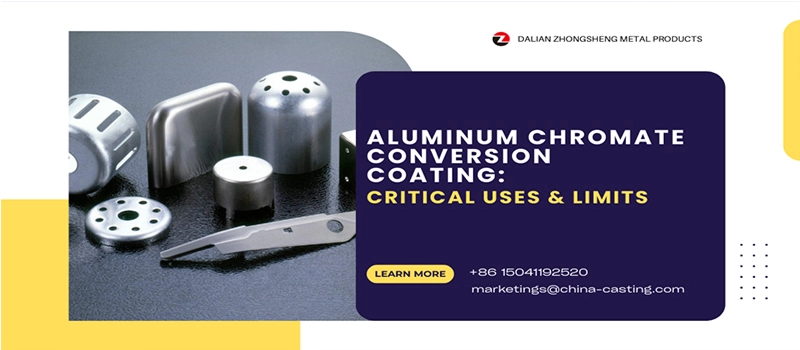
Aluminum chromate conversion coating offers surface protection for aluminum parts by enhancing corrosion resistance and adhesion. This guide explains its behavior during application, compatibility with alloys, and common use cases in machining, casting, and aerospace assemblies.
Steel Beam Types: “W”, “S”, “C”, and “T” Clearly Compared
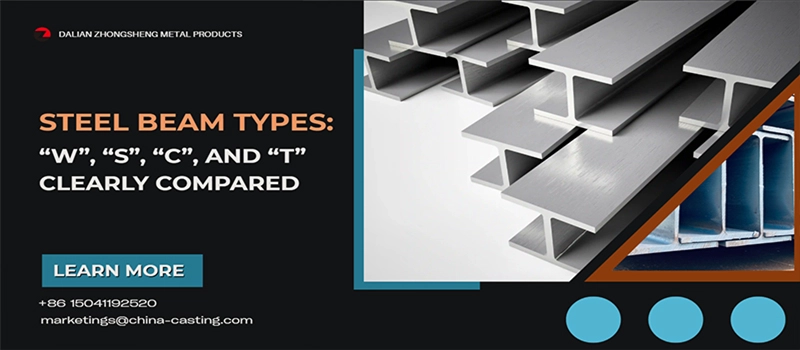
Steel beam types vary in flange width, web thickness, and bending resistance. This guide compares W, S, C, and T beams in terms of structure, performance, and manufacturing limits to support better selection in load-bearing applications.
Weathering Steel: Benefits, Failures, and Use Cases

Weathering steel offers corrosion resistance through surface patina formation, reducing long-term maintenance. This article explains its manufacturing behavior, strengths, failures, and application boundaries, helping industrial buyers and engineers make informed decisions.
J4 Stainless Steel: Strong Traits, Processing, and Limits
J4 stainless steel is a low-cost austenitic-manganese alloy with distinct behavior during forming, welding, and corrosion. This article explains its mechanical limits, processing responses, and safe-use environments to avoid premature failure and sourcing risks.
5456 Aluminum Critical Behavior in Production and Service

5456 aluminum is a high-magnesium aluminum alloy used in structural and marine environments. Its production behavior is defined by good strength and corrosion resistance, while service performance is limited by stress corrosion sensitivity, welding control requirements, and temperature exposure.
Density of Carbon Steel: Essential for Smarter Design

The density of carbon steel plays a key role in material selection, structural integrity, machining, and logistics. This article explains how small variations in carbon steel density influence performance, application, cost, and engineering outcomes across industries.
