
7cr17 Stainless Steel Manufacturing Behavior and Limits
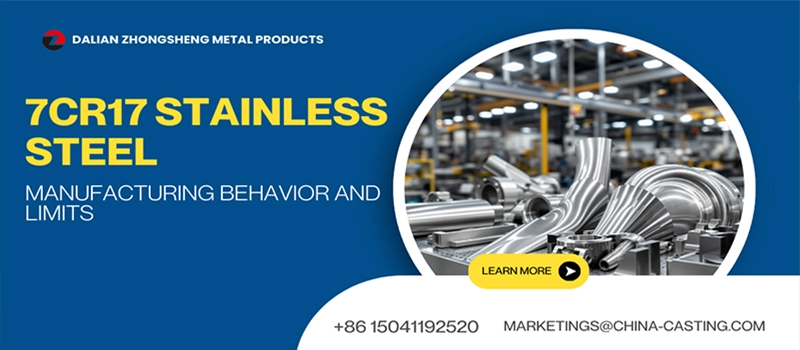
7cr17 stainless steel is a high-carbon martensitic grade with strong hardness potential but narrow processing margins. Its manufacturing performance depends on strict heat treatment control, limited machining windows, and careful avoidance of forming and welding risks.
Tolerance Stacking and Its Impact on Assembly Accuracy

Tolerance stacking occurs when dimensional variation accumulates across multiple features or parts. Even when individual tolerances are met, stack-up can cause misalignment, interference, and assembly failure. Controlling tolerance stacking requires proper datum selection, functional dimensioning, and manufacturing capability alignment.
ASTM Standard and Its Role in Manufacturing Compliance
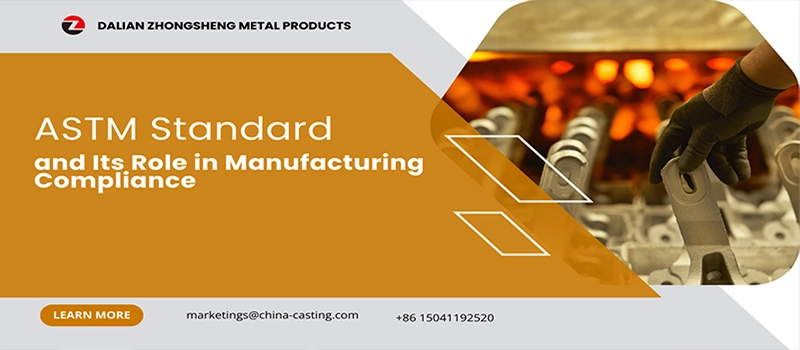
An ASTM standard establishes consensus requirements for material composition, mechanical properties, test methods, and acceptance criteria. In manufacturing, correct use of ASTM standards supports material selection, supplier qualification, inspection consistency, and compliance control, but does not replace application-specific requirements.
Sheet Metal Notching and Its Impact on Assembly Accuracy
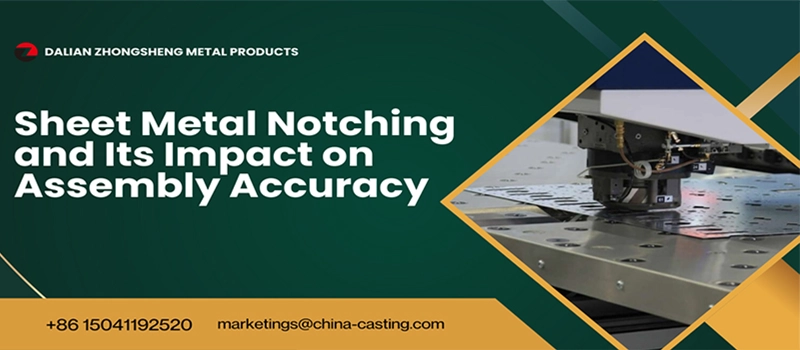
Sheet metal notching plays a critical role in assembly accuracy. Poor notch geometry alters material flow during bending, causing tolerance deviation, cracking, and misalignment. Understanding sheet metal notching behavior helps reduce rework and control forming quality.
Does Lead Rust? Understanding Lead Corrosion Behavior

Lead does not rust in the same way iron or steel does, but it does corrode under specific conditions. This article explains the difference between rust and oxidation, how lead behaves over time, and what to consider when using lead in industrial or outdoor applications.
Why 555 Stainless Steel Is Trusted in Heavy Industry
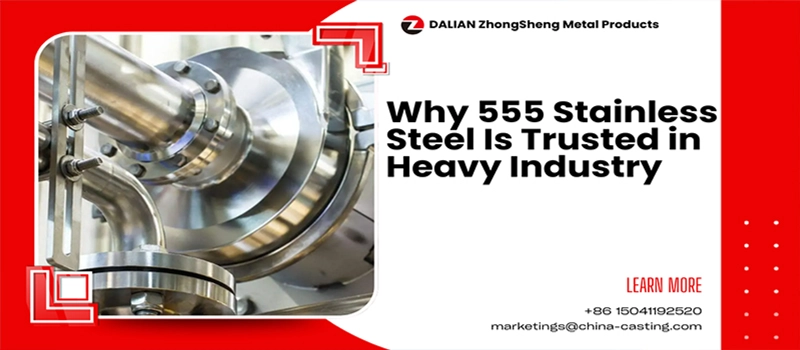
555 stainless steel is a high-performance alloy known for its durability, corrosion resistance, and thermal stability. It is widely used in heavy industry applications where structural integrity and resistance to harsh environments are critical.
Choosing the Right Aluminum Sheet Gauge for Fabrication
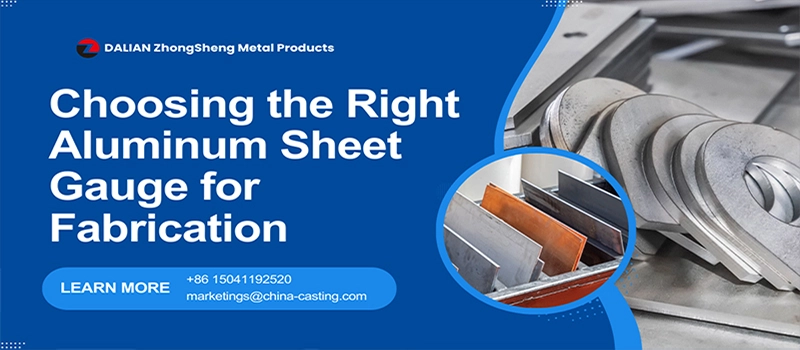
Understand how aluminum sheet gauge impacts fabrication, strength, and thickness for better material selection in industrial manufacturing.
Galvanized Steel That Delivers: Durability Meets Value
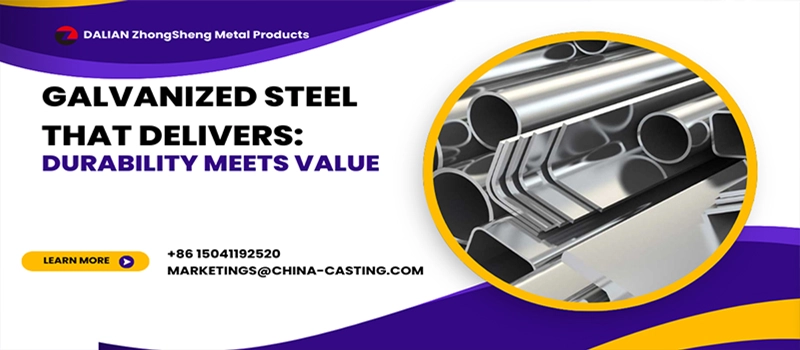
Galvanized steel offers high durability and long-term value in industrial fabrication. Its corrosion resistance and low maintenance make it a preferred choice for cost-sensitive applications across multiple sectors.
Brushed Metal Explained: Uses, Finishes, and Manufacturing
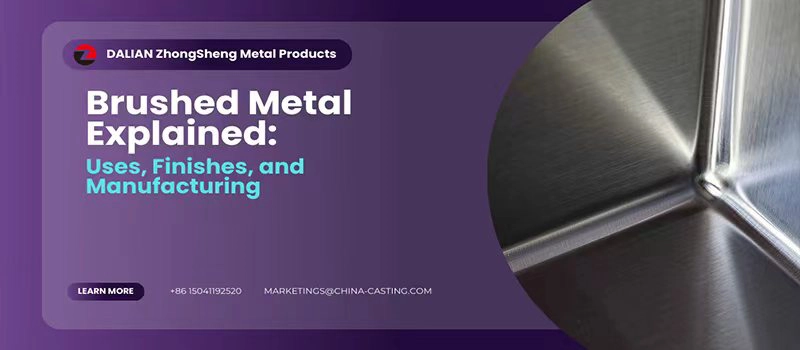
Brushed metal is known for its satin-like texture, corrosion resistance, and aesthetic value. This article covers how it’s made, key applications, and how it compares to other surface finishes in industrial production and consumer goods.
