In process inspection is essential to ensuring the quality and stability of metal fabrication. Without it, minor deviations can go undetected, eventually leading to major defects, delivery delays, or product failures. Relying only on final inspection is a costly risk.
This type of inspection works by identifying problems during the production process—when they’re still fixable. It helps manufacturers monitor key variables in real time, such as part dimensions, alignment, and material condition. That means issues are resolved before they affect downstream operations.
For example, in a casting line, if sand mold wear is spotted mid-batch, it can be corrected to avoid a full run of defective parts. In machining, a slight tool offset can be fixed after just one pass if caught early through in process checks.
That’s why in process inspection isn’t just a quality control method—it’s a competitive advantage. In the following sections, I’ll explain exactly what it is, how it works, and why it matters for every serious metal manufacturer.
What is In Process Inspection in Metal Manufacturing?
In process inspection is a critical quality control method used during production to monitor and verify specific characteristics of metal parts at defined stages. Unlike final inspection, which only examines the product after all processes are completed, in process inspection checks parts while they are still being formed, machined, or assembled. This proactive approach allows manufacturers to catch errors early, reduce rework, and ensure that each stage of production is on track to meet specifications.
In the context of metal manufacturing—whether it’s casting, forging, machining, or sheet metal fabrication—variability is inevitable. Tools wear down, temperatures fluctuate, operators make adjustments. Without continuous inspection in process, these variations can accumulate, eventually resulting in critical failures. For instance, in die-casting, a temperature drop of just 20°C in the molten metal can cause surface defects. If not detected in time, the entire batch may be compromised. In process inspection helps manufacturers avoid such risks by providing real-time control over parameters that directly impact part quality.
To define it simply: in process inspection refers to the scheduled checks and measurements performed during various phases of production. These may include visual inspections, dimensional checks, surface condition assessments, and process parameter monitoring. In machining operations, for example, inspectors or machines measure part dimensions after specific steps, such as roughing or semi-finishing, to ensure the part remains within tolerance. In casting, mold temperature, material flow, and alignment are monitored during the pour and cooling phases. Every process stage where quality can be influenced is an opportunity for in-process inspection.
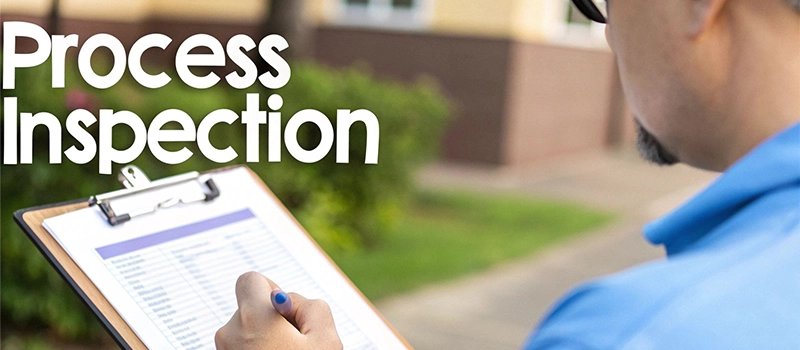
Importantly, in process inspection is not just about detecting flaws—it’s about preventing them. That’s why most modern factories build an in process inspection checklist into their standard operating procedures. This checklist defines what to check, when to check, how to check, and who is responsible. It may also include inspection symbols in process charts, used to guide operators and inspectors visually. The integration of inspection in process is often supported by quality standards such as ISO 9001, which emphasize process control over reactive correction.
In metal manufacturing, where precision and repeatability matter most, having an effective in process inspection procedure ensures that problems are identified before they become expensive. It supports faster decision-making on the shop floor, improves workflow efficiency, and strengthens customer trust. That’s why every successful factory I know doesn’t just perform inspection—they perform in process inspection as a built-in part of production, not a separate task at the end.
Why In Process Inspection is Essential for Quality Assurance?
In process inspection plays a central role in any effective quality assurance system—especially in metal manufacturing, where precision is non-negotiable. It provides immediate feedback on part conformance and process stability, reducing the chance that defects will go unnoticed until final inspection or, worse, after delivery. By verifying quality at multiple stages, in process inspection transforms the production line into a quality control system in itself.
Unlike reactive quality checks at the end of production, in process inspection focuses on prevention. This means identifying potential issues before they escalate into major quality failures. For example, in a forging operation, early signs of die misalignment or scale formation can be caught and corrected during production, avoiding compromised strength or poor surface finish. In a CNC machining process, detecting vibration marks or cutting tool wear after a rough pass ensures that the final finishing pass meets tolerance and surface standards. These proactive measures safeguard the integrity of each part and minimize the risk of rework, scrap, or customer dissatisfaction.
From a systems perspective, in process inspection aligns with continuous improvement philosophies like Lean and Six Sigma. It supports Statistical Process Control (SPC) by feeding real-time data into quality dashboards, allowing operators and engineers to monitor process trends. When anomalies are detected—such as a drift in bore diameter or inconsistencies in wall thickness—corrective actions can be taken immediately. This is particularly important when working with large production batches or high-value parts, where a single undetected flaw can result in significant financial losses.
Moreover, in process inspection directly improves customer confidence. For buyers of metal components, consistent quality is not just a preference—it’s a requirement tied to safety, performance, and compliance. When manufacturers document their in process inspection procedures, sampling plans, and inspection reports, they offer transparent proof of quality control. This is especially important in industries like automotive, aerospace, and petrochemical, where traceability and reliability are mandatory. Having a solid in-process inspection procedure can also simplify audits, help meet certification standards, and strengthen supplier reputation.
In short, in process inspection ensures that every part leaving your facility meets customer expectations without relying solely on final checks. It keeps production predictable, reduces costly surprises, and delivers measurable results. For any manufacturer aiming to improve product consistency and operational efficiency, integrating a robust in process quality inspection procedure is not just recommended—it’s essential.
Key In Process Inspection Techniques for Metal Parts
In process inspection techniques vary depending on the type of metal process involved—casting, machining, forging, or sheet metal fabrication—but the goal is always the same: detect deviations early, before they become expensive problems. Manufacturers today have access to a range of in process inspection tools and procedures, from traditional manual methods to advanced digital systems. Below are the most effective in process inspection techniques widely used in the metal manufacturing industry.
Visual Inspection at Critical Checkpoints
One of the most basic yet valuable inspection techniques is visual inspection. Performed by trained operators or inspectors, this method involves checking parts for surface defects such as cracks, burrs, dents, or discoloration. In metal casting, for example, visual inspection can quickly identify incomplete fills, surface porosity, or misruns. In sheet metal processes, it helps spot warping or edge damage caused by die wear.
To increase reliability, visual inspection in process is often supported by checklists and inspection symbols on process charts. Operators are trained to inspect specific features after each production stage, ensuring consistency without relying solely on experience. Although visual checks are subjective, they are fast, cost-effective, and useful as a first line of defense.
Dimensional Measurement with Gauges and Calipers
Measuring critical dimensions during production is a fundamental in process inspection practice. Parts are often checked using micrometers, calipers, go/no-go gauges, or custom jigs. In machining, dimensions such as hole diameter, thread pitch, or flatness are measured after each tool pass. In forging, thickness and symmetry may be inspected before the part moves to heat treatment.
Modern in process inspection setups use digital indicators and connected measuring tools that log data directly into the quality control system. This allows real-time tracking of part dimensions and supports Statistical Process Control (SPC), helping to identify trends like tool wear or thermal drift before they cause major deviations.
Non-Destructive Testing (NDT) During Production
In some applications, especially where structural integrity is vital, non-destructive testing (NDT) is performed during production. Methods such as magnetic particle inspection (MPI), ultrasonic testing (UT), or eddy current inspection can be integrated into the in process workflow. These allow for internal defect detection without damaging the part.
For example, in high-pressure castings or welded assemblies, ultrasonic inspection can reveal voids or inclusions before the parts are shipped. When used in conjunction with in process inspection checklists, NDT methods help ensure part reliability in critical industries like oil & gas, aerospace, and automotive.
Sensor-Based Real-Time Monitoring
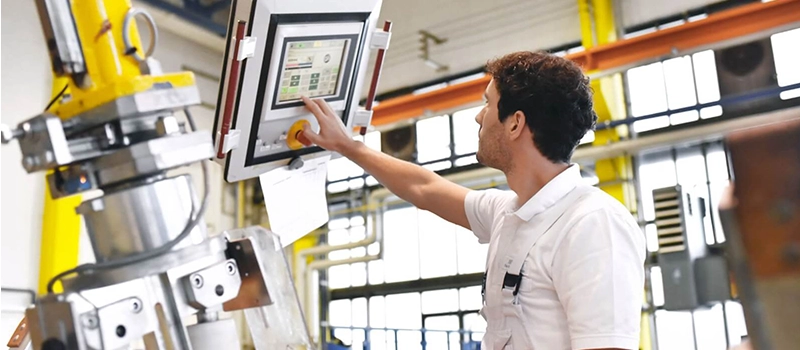
Advanced metal manufacturing lines now use sensors and automated systems for real-time in process inspection. These may include laser scanners for surface geometry, pressure sensors in hydraulic forming, or vision systems to detect edge alignment and surface integrity.
Sensor-driven inspection is especially valuable in high-speed or high-volume production, where manual checks are impractical. Data from these systems feeds directly into MES (Manufacturing Execution Systems) or quality platforms, triggering alerts when out-of-tolerance conditions are detected.
In Process Inspection Sampling Plans
Not every part needs full inspection. That’s where sampling plans come into play. Based on part criticality, production volume, and risk tolerance, manufacturers define how frequently to inspect parts—whether it’s every 10th part, every hour, or at the start of each shift.
A well-defined in process inspection sampling plan balances quality assurance and efficiency. It prevents bottlenecks while still catching early signs of variation. In ISO-compliant factories, sampling plans are usually documented and reviewed regularly to align with quality goals and customer requirements.
Digital Checklists and Traceable Reporting
Today’s factories are moving away from paper-based records. Digital in process inspection checklists and reporting systems allow operators to log inspection data instantly, with timestamps, part IDs, and inspector signatures. This not only improves accuracy but also ensures traceability in case of future audits or complaints.
Digital inspection reports are crucial for compliance with quality standards such as ISO 9001, IATF 16949, and CE. They demonstrate that inspections were performed as required and provide a detailed record of process performance over time.
Common Challenges in In-Process Inspection
While in process inspection is a powerful tool for maintaining quality and efficiency, it is not without its challenges. Many manufacturers, especially in fast-paced metal fabrication environments, struggle with implementing and sustaining effective inspection in process systems. Understanding these common obstacles is the first step toward overcoming them and ensuring that your inspection process in manufacturing delivers real value.
Inconsistent Execution by Operators
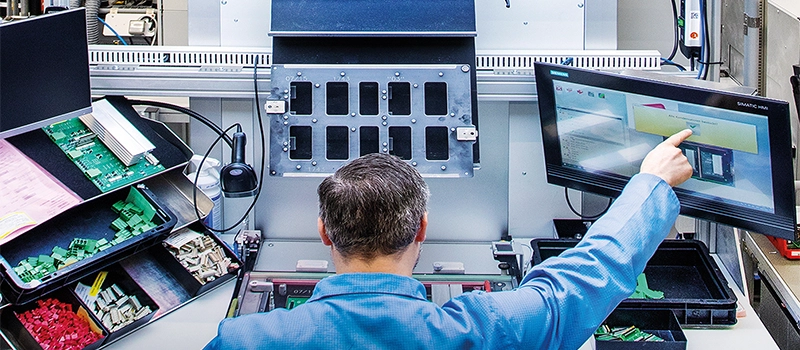
One of the most frequent issues is inconsistent execution of in process inspection procedures by frontline operators. Even with detailed instructions or checklists in place, inspections may be rushed, skipped, or performed without proper attention. This is especially common in high-pressure environments where production speed is prioritized over process control. Without continuous training and accountability, even the best-designed in process inspection checklist becomes ineffective.
To address this, manufacturers must invest in operator education and build a quality culture where every team member understands the importance of inspection in process. Pairing manual checks with automated alerts or confirmation steps in MES systems can also reduce the likelihood of human error or missed inspections.
Over-Reliance on Final Inspection
Another common mistake is assuming that final inspection can compensate for weak or incomplete in process checks. This mindset undermines the entire quality assurance strategy. Final inspection only catches defects that are visible or measurable at the end—by then, it may be too late to fix the problem without significant waste or rework.
A well-designed in process inspection system should aim to prevent defects from reaching the final stage in the first place. When inspection becomes part of the process rather than a separate event, it improves upstream quality and reduces downstream risks. Relying only on end-of-line checks is reactive, while in process inspection is proactive.
Lack of Standardization in Inspection Procedures
In many factories, inspection procedures vary from one operator or shift to another. Without a standardized in process inspection procedure, it’s difficult to maintain consistent quality or traceability. For example, one operator may use a caliper differently than another, or interpret visual defect standards in a subjective way. These inconsistencies can lead to internal rejections, customer complaints, or audit failures.
The solution is to create and enforce standardized inspection work instructions, preferably backed by visual aids and real-time digital checklists. When everyone follows the same documented procedure, the margin of variation narrows and inspection results become more reliable.
Data Overload and Poor Use of Inspection Reports
As factories adopt more digital tools and sensors, they often generate massive volumes of inspection data—but fail to use it effectively. Without a clear system for reviewing in process inspection reports and acting on the findings, valuable insights are lost. Teams may collect hundreds of data points per shift but never identify recurring issues or trends.
This challenge can be solved by integrating inspection data with quality dashboards or SPC platforms. These systems help visualize trends, detect early warning signs, and inform process improvements. The goal is not just to collect data, but to use it to drive better decisions on the shop floor.
Balancing Inspection Frequency and Production Speed
In fast-moving production lines, frequent inspection can feel like a bottleneck. Manufacturers often ask: how much inspection is enough? Too little, and defects slip through. Too much, and productivity suffers. Finding the right balance is a constant challenge.
The answer lies in a well-thought-out in process inspection sampling plan. By assessing risk levels, part criticality, and process stability, manufacturers can determine optimal inspection frequency. Low-risk, stable processes may need random spot checks, while high-risk operations require 100% inspection. Flexibility is key, but the foundation must be rooted in clear logic and data.
Certifications, Compliance, and How In Process Inspection Supports Them
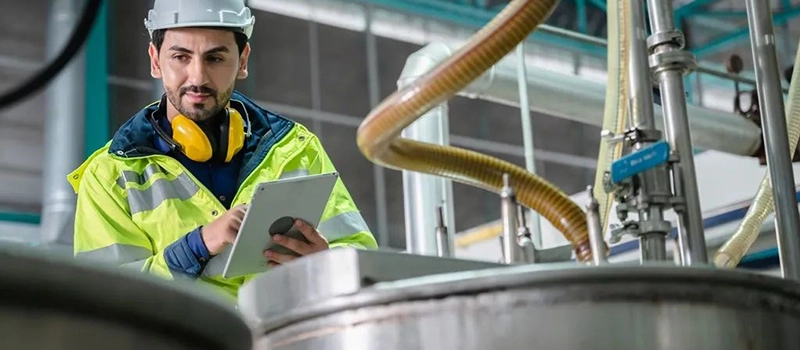
In process inspection is not only a tool for internal quality control—it is also a vital component of achieving and maintaining industry certifications and meeting international compliance requirements. Whether you’re targeting ISO 9001, IATF 16949, CE marking, or customer-specific audits, inspection in process provides the traceable records and process discipline needed to prove conformity at every stage of production.
For example, ISO 9001 places strong emphasis on process control, documented procedures, and continuous improvement. A well-structured in process inspection procedure directly supports these principles by providing measurable checkpoints throughout manufacturing. When inspectors verify dimensions, surface conditions, or machine settings in real time, and when those checks are documented in digital or physical inspection reports, they create a complete quality record trail that auditors can verify.
In CE compliance—particularly for products exported to Europe—in process inspection ensures that the products meet essential safety and performance standards outlined in the applicable directives. Technical files, declarations of conformity, and risk assessments often require evidence that inspection steps were performed during production, not just after. As outlined in our own EU representative documentation, maintaining updated CE certificates depends on having active and verifiable quality controls embedded in the process.
Furthermore, customer audits often demand detailed inspection reports, including sampling plans, calibration records, operator training logs, and inspection results tied to each batch or lot. Without a consistent in process inspection system, it’s nearly impossible to generate this level of traceability on demand. In regulated industries—such as automotive, medical devices, or oil and gas—lack of traceability can be grounds for disqualification as a supplier.
Beyond certifications, in process inspection helps manufacturers align with compliance expectations related to environmental regulations, safety protocols, and product liability. When defects are caught early, there’s less risk of non-conforming products reaching the market, which reduces legal exposure and builds trust with customers and authorities alike.
In summary, in process inspection acts as the operational backbone that supports your entire compliance structure. It turns quality commitments into documented, verifiable actions—and that’s exactly what regulators, auditors, and customers want to see.
Conclusion
In process inspection is more than a quality tool—it’s a strategic safeguard. It ensures production stays on track, defects are prevented, and compliance is maintained. For any metal manufacturer serious about delivering consistent results, integrating in process inspection into every stage isn’t optional—it’s essential.